Struggling to maintain healthy blood sugar levels?
In a world where metabolic health challenges like Type 2 Diabetes and insulin resistance are increasingly prevalent, many individuals are seeking natural, effective ways to support their body's glucose regulation. While lifestyle adjustments remain paramount, certain natural compounds have garnered significant scientific attention for their potential benefits.
Among these, berberine stands out as a powerful natural ally in your quest for metabolic wellness. This comprehensive guide, authored by Dr. Nancy White and reviewed by Dr. Paul Johnson, M.D., will explore the science behind berberine and its remarkable ability to support blood sugar balance.

Understanding Blood Sugar Imbalance: The Modern Epidemic
Before delving into berberine's benefits, it's crucial to grasp the landscape of blood sugar challenges, particularly Type 2 Diabetes and insulin resistance.
Type 2 Diabetes is a chronic condition characterized by high levels of sugar (glucose) in the blood. It occurs when your body either doesn't produce enough insulin or doesn't effectively use the insulin it produces. Insulin, a hormone made by the pancreas, acts like a key to let blood sugar into cells for use as energy. When this system malfunctions, glucose accumulates in the bloodstream, leading to various health complications over time.
Insulin resistance is often a precursor to Type 2 Diabetes. It's a condition where your body's cells don't respond well to insulin, meaning they can't easily take up glucose from your blood. The pancreas tries to compensate by making more insulin, but eventually, it may not be able to keep up, leading to elevated blood sugar. This resistance is frequently linked to factors such as obesity, lack of physical activity, poor diet, and chronic inflammation.
Managing these conditions, or preventing their onset, requires a multifaceted approach that includes dietary changes, regular exercise, stress management, and sometimes, pharmaceutical intervention. However, there's growing interest in natural compounds that can complement these efforts, offering additional support for metabolic health.
The global prevalence of Type 2 Diabetes continues to rise, posing a significant public health concern. This makes the search for effective, holistic strategies more important than ever. Understanding the root causes, such as poor diet, sedentary lifestyles, and even inadequate sleep patterns that disrupt hormonal balance, is the first step towards taking control of your health.
💡 Key Takeaway
Type 2 Diabetes and insulin resistance are widespread metabolic conditions driven by impaired insulin function and high blood glucose, necessitating comprehensive management strategies.
Berberine: A Natural Powerhouse for Metabolic Health
Berberine is a bright yellow, bitter-tasting alkaloid found in various plants, including European barberry, goldenseal, Oregon grape, phellodendron, and tree turmeric. It has been used for centuries in traditional Chinese and Ayurvedic medicine for its wide range of therapeutic properties, particularly for digestive issues, infections, and inflammation.
In recent decades, modern scientific research has turned its attention to berberine, revealing its remarkable potential in supporting blood sugar balance and overall metabolic health. It's now recognized as one of the most powerful natural compounds for individuals looking to manage their glucose levels effectively.
The Science Behind Berberine's Blood Sugar Support
What makes berberine so effective? Its mechanism of action is complex and multifaceted, targeting several key pathways involved in glucose metabolism:
1. Activation of AMPK (AMP-activated protein kinase): This is perhaps berberine's most significant mechanism. AMPK is often referred to as a "master metabolic switch" because it plays a crucial role in regulating energy homeostasis. When AMPK is activated, it promotes glucose uptake by cells, decreases glucose production in the liver, and increases fat burning. Essentially, berberine mimics the effects of exercise and calorie restriction at a cellular level, helping to improve energy metabolism.
2. Enhances Insulin Sensitivity: Berberine helps to make your cells more responsive to insulin. In insulin-resistant states, cells ignore insulin's signals, leading to high blood sugar. By improving insulin sensitivity, berberine allows glucose to enter cells more efficiently, thus lowering blood glucose levels.
3. Reduces Glucose Production in the Liver (Gluconeogenesis): The liver plays a vital role in blood sugar regulation by producing glucose, especially during fasting. Berberine has been shown to inhibit gluconeogenesis, reducing the amount of glucose released into the bloodstream by the liver.
4. Improves Glucose Uptake by Cells: Berberine directly stimulates the uptake of glucose from the blood into muscle cells and other peripheral tissues. This helps to clear excess glucose from the bloodstream more rapidly.
5. Modulates Gut Microbiome: Emerging research suggests that berberine can positively influence the gut microbiota. A healthy gut microbiome is increasingly recognized for its role in metabolic health, including glucose regulation and insulin sensitivity. Berberine may help reshape the gut environment, leading to beneficial metabolic changes.
6. Anti-inflammatory and Antioxidant Effects: Chronic inflammation and oxidative stress are known contributors to insulin resistance and Type 2 Diabetes progression. Berberine possesses potent anti-inflammatory and antioxidant properties, which can help protect cells from damage and improve metabolic function.
These combined actions make berberine a comprehensive agent for supporting healthy blood sugar levels, addressing not just the symptoms but also some of the underlying causes of metabolic dysfunction.
Key Benefits of Incorporating Berberine into Your Routine
Beyond its direct impact on blood sugar, berberine offers a spectrum of benefits that contribute to overall metabolic and cardiovascular health, making it a valuable addition to a wellness regimen.
Supports Healthy Blood Glucose Levels
Berberine's primary and most studied benefit is its ability to help maintain optimal blood sugar levels. By enhancing insulin sensitivity and reducing glucose production, it assists your body in managing glucose more effectively after meals and during fasting periods.
Improves Insulin Sensitivity
For individuals with insulin resistance, berberine can be particularly impactful. It helps your cells become more receptive to insulin, allowing glucose to be utilized for energy instead of accumulating in the bloodstream, thereby reducing the burden on the pancreas.
Aids in Weight Management
By activating AMPK, berberine can promote fat burning and inhibit fat storage. This can be beneficial for individuals struggling with weight gain, which is often closely linked to insulin resistance and poor blood sugar control. Healthy weight management is crucial for metabolic health.
Supports Cardiovascular Health
Metabolic issues often go hand-in-hand with cardiovascular concerns. Berberine has been shown to help maintain healthy cholesterol and triglyceride levels, and it may also support healthy blood pressure, contributing to overall heart health.
Promotes Gut Health and Digestion
Its traditional use included digestive support, and modern research confirms berberine's role in modulating the gut microbiota. A balanced gut flora is fundamental for nutrient absorption, immune function, and can even influence metabolic markers.

Integrating Berberine into a Holistic Lifestyle
While berberine is a powerful natural compound, it's essential to remember that it works best as part of a comprehensive, holistic approach to metabolic health. Supplements are meant to complement, not replace, fundamental lifestyle changes.
Here are key lifestyle factors that, when combined with berberine, can significantly enhance your blood sugar management:
1. Balanced Nutrition
A diet rich in whole foods, lean proteins, healthy fats, and complex carbohydrates is crucial. Focus on:
- Low Glycemic Index Foods: Prioritize foods that cause a slower, more gradual rise in blood sugar, such as most vegetables, fruits, whole grains, and legumes.
- Fiber-Rich Foods: Soluble fiber, found in oats, beans, apples, and nuts, can help slow glucose absorption and improve satiety.
- Portion Control: Mindful eating and appropriate portion sizes can prevent overconsumption of calories and carbohydrates.
- Limiting Processed Foods and Sugary Drinks: These are major culprits in blood sugar spikes and insulin resistance.
2. Regular Physical Activity
Exercise is a potent tool for blood sugar control. It helps your muscles use glucose for energy, even without insulin, and improves insulin sensitivity. Aim for a combination of:
- Aerobic Exercise: Such as brisk walking, jogging, swimming, or cycling, for at least 150 minutes per week.
- Strength Training: Lifting weights or bodyweight exercises 2-3 times a week builds muscle mass, which helps in glucose utilization.
3. Adequate Sleep
Poor sleep can significantly impact blood sugar levels and insulin sensitivity. When you don't get enough quality sleep, your body can produce more stress hormones, which raise blood sugar. Aim for 7-9 hours of restful sleep per night. For more insights, you can read our article on the critical link between sleep and blood sugar.
4. Stress Management
Chronic stress triggers the release of hormones like cortisol, which can elevate blood sugar. Incorporate stress-reducing techniques into your daily routine:
- Mindfulness and Meditation: Even a few minutes a day can make a difference.
- Yoga or Tai Chi: Combine physical movement with mental relaxation.
- Hobbies and Social Connection: Engage in activities that bring you joy and reduce mental strain.
5. Regular Monitoring and Medical Guidance
Regularly monitoring your blood sugar levels and working closely with your healthcare provider is paramount. They can help you tailor your diet, exercise, and supplement regimen, ensuring it's safe and effective for your individual needs. This is especially true if you are considering supplements and want to understand which might be the best blood sugar supplement for your specific situation.
Beyond Berberine: Synergistic Ingredients for Optimal Blood Sugar Support
While berberine is a star player, many natural compounds work synergistically to provide comprehensive blood sugar support. A well-formulated supplement often combines several ingredients to target different pathways of glucose metabolism, offering a more robust approach to metabolic health.
Dietary Fiber
Fiber, particularly soluble fiber, slows down the absorption of sugar into the bloodstream, helping to prevent sharp blood sugar spikes after meals. It also supports gut health, which is intrinsically linked to metabolic function.
Chromium
This essential trace mineral plays a vital role in carbohydrate and lipid metabolism. Chromium enhances the action of insulin, helping it to bind to cell receptors more effectively, thereby improving glucose uptake by cells.
Cinnamon Extract
Cinnamon has been studied for its insulin-mimetic properties and its ability to improve insulin sensitivity. It can also slow down the emptying of the stomach, which helps to stabilize blood sugar levels after eating.
Bitter Melon
A traditional remedy, bitter melon contains compounds that act like insulin, helping to lower blood glucose. It also appears to improve glucose utilization and inhibit glucose production in the liver.
GlucoSwitch: A Natural Approach to Blood Sugar Balance
Recognizing the power of synergistic botanical extracts and essential nutrients, GlucoSwitch offers a meticulously crafted formula designed to support healthy blood sugar levels. It combines several potent ingredients, each selected for its scientifically backed role in metabolic health, working together to provide comprehensive support.

Gymnema Sylvestre
Role: Often called the "sugar destroyer," Gymnema Sylvestre helps reduce sugar cravings and supports healthy blood sugar levels by aiding in glucose absorption and insulin function. It's known to block sugar receptors on the tongue, reducing the appeal of sweet foods.
Typical Dose: 200-400mg extract daily
Banaba Leaves
Role: Rich in corosolic acid, Banaba leaves are known for their powerful ability to lower blood glucose levels. They help transport glucose from the blood into cells and improve insulin sensitivity, mimicking insulin's effects.
Typical Dose: 10-300mg extract daily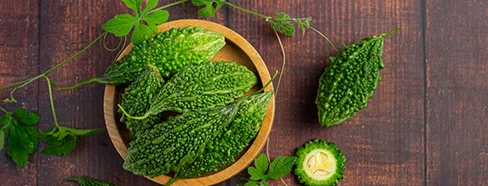
Bitter Melon
Role: A traditional powerhouse, Bitter Melon contains compounds like charantin, vicine, and polypeptide-p, which act like insulin to help lower blood sugar. It also supports glucose metabolism and liver health.
Typical Dose: 500-2000mg extract daily
Licorice Root
Role: Beyond its sweet taste, Licorice Root contains compounds that possess anti-inflammatory and antioxidant properties. It can help support healthy insulin sensitivity and protect pancreatic beta-cells from damage.
Typical Dose: 100-300mg extract daily
Cinnamon Bark
Role: Widely recognized for its ability to improve insulin sensitivity and lower blood glucose levels. Cinnamon can also reduce the absorption of sugar in the digestive tract, preventing post-meal spikes.
Typical Dose: 250-1000mg extract daily
Juniper Berry
Role: Used in traditional medicine for its diuretic and anti-inflammatory properties, Juniper Berry also shows promise in supporting healthy blood sugar levels and antioxidant defense, crucial for metabolic health.
Typical Dose: 50-200mg extract daily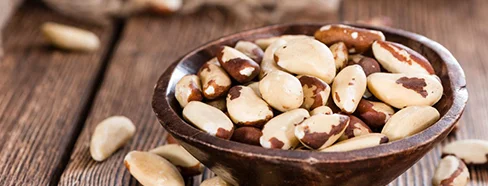
Chromium (from Brazil Nuts)
Role: This essential trace mineral is vital for carbohydrate and fat metabolism. Chromium enhances the action of insulin, helping to improve glucose uptake by cells and maintain stable blood sugar levels.
Typical Dose: 200-1000mcg daily
Cayenne Pepper
Role: Contains capsaicin, which can boost metabolism and improve insulin sensitivity. It may also help reduce cravings and support healthy fat burning, contributing to better weight management.
Typical Dose: 30-120mg daily
Take the First Step Towards Balanced Blood Sugar Today!
If you're looking for a natural, comprehensive solution to support your blood sugar levels and metabolic health, GlucoSwitch offers a carefully formulated blend of ingredients designed to work synergistically. Don't let unbalanced blood sugar dictate your energy, mood, or long-term health.
- ✓ Supports Healthy Blood Sugar Levels
- ✓ Enhances Insulin Sensitivity
- ✓ Promotes Healthy Metabolism
- ✓ Made with Natural, Plant-Based Ingredients
- ✓ Manufactured in the USA in a GMP Certified Facility




What Our Customers Say About GlucoSwitch
"I've been using GlucoSwitch for three months now, and I'm amazed at the difference. My energy levels are up, and I feel more balanced throughout the day. My doctor even commented on my improved numbers. Highly recommend!"
"Controlling my blood sugar was always a struggle. Since adding GlucoSwitch to my daily routine, along with my diet changes, I've seen consistent improvement. It's a natural solution that actually works for me."
"I was skeptical at first, but GlucoSwitch has truly made a difference. I feel more in control of my cravings, and my blood sugar readings are much more stable. It's given me peace of mind."
Frequently Asked Questions
What is berberine and how does it help support healthy blood sugar?
+Berberine is a bioactive compound extracted from several plants, notably Berberis species. It works through multiple mechanisms to support blood sugar balance, including activating AMPK (a master metabolic switch), improving insulin sensitivity, reducing glucose production in the liver, and enhancing glucose uptake by cells. This multi-pronged approach helps to maintain stable blood sugar levels.
Is berberine safe to take for blood sugar management?
+Berberine is generally considered safe for most adults when taken at recommended dosages. However, some individuals may experience mild digestive side effects like nausea, diarrhea, or constipation, especially when first starting. It's crucial to consult with a healthcare professional before starting any new supplement, particularly if you have pre-existing medical conditions or are taking other medications, as berberine can interact with certain drugs.
How long does it typically take to see results with berberine for blood sugar?
+The timeline for seeing results with berberine can vary among individuals, depending on factors like baseline blood sugar levels, dosage, lifestyle, and individual metabolism. Some people may notice improvements within a few weeks, while for others, it might take 2-3 months of consistent use to observe significant changes in their blood sugar readings. Consistency is key, alongside a healthy diet and regular exercise.
Can berberine be taken with other medications, especially for diabetes?
+Berberine can interact with certain medications, including those for diabetes (like metformin or insulin), blood thinners, and drugs metabolized by the liver's cytochrome P450 system. Combining berberine with diabetes medications could potentially lower blood sugar too much, leading to hypoglycemia. Therefore, it is absolutely essential to consult your doctor before taking berberine if you are on any prescription medications, especially for diabetes, to avoid adverse interactions and ensure proper dosage adjustments.
What makes GlucoSwitch a suitable option for blood sugar support?
+GlucoSwitch is formulated as a comprehensive dietary supplement designed to support healthy blood sugar levels. It combines several natural ingredients, including key compounds known for their metabolic benefits, working synergistically to address various aspects of glucose metabolism. While berberine is a powerful agent, GlucoSwitch offers a blend that aims for broad-spectrum support, making it a convenient option for those seeking a holistic approach.
How does GlucoSwitch support overall metabolic health beyond just blood sugar?
+GlucoSwitch's carefully selected ingredients contribute to more than just blood sugar balance. Many components also support healthy insulin function, aid in fat metabolism, promote healthy cholesterol levels, and possess antioxidant properties. By addressing multiple facets of metabolism, GlucoSwitch aims to support overall vitality, energy levels, and a healthier metabolic profile, helping individuals feel more energetic and balanced.
Related Articles