Can a simple spice truly make a significant difference in your blood sugar levels?
For centuries, cinnamon has been cherished not just for its warm, aromatic flavor but also for its purported medicinal properties. From ancient remedies to modern superfood lists, this humble spice has maintained a prominent position in discussions about natural health. Today, scientific interest in cinnamon has surged, particularly concerning its potential to support healthy blood sugar management.
This article delves deep into the fascinating science behind cinnamon's impact on glucose metabolism, offering insights into how it works and what the research says. We'll explore its role in improving insulin sensitivity, lowering fasting blood sugar, and supporting overall metabolic health, particularly for individuals navigating the challenges of Type 2 Diabetes and insulin resistance.
Understanding Blood Sugar, Insulin, and Metabolic Health
Before we dive into cinnamon's specific benefits, it's essential to grasp the fundamentals of how our bodies manage blood sugar.
Every time we eat carbohydrates, our digestive system breaks them down into glucose, which then enters our bloodstream. In response, the pancreas releases insulin, a hormone vital for transporting glucose from the blood into cells, where it's used for energy or stored. This delicate balance is crucial for maintaining overall health. When this system falters, we can experience conditions like insulin resistance, prediabetes, and ultimately, Type 2 Diabetes.
Insulin resistance occurs when cells in your muscles, fat, and liver don't respond well to insulin and can't easily take up glucose from your blood. As a result, your pancreas makes more insulin to help glucose enter your cells. As long as your pancreas can make enough insulin to overcome your cells' weak response to insulin, your blood sugar levels stay in the healthy range. However, over time, the pancreas can become exhausted, leading to elevated blood sugar levels and eventually Type 2 Diabetes. This metabolic dysfunction is a growing concern globally, affecting millions and contributing to a cascade of other health issues.
Managing blood sugar effectively is not just about avoiding sugar; it's about supporting a healthy metabolism through diet, exercise, and sometimes, targeted nutritional support. Many individuals seek natural ways to complement their lifestyle choices, and this is where the potential of ingredients like cinnamon comes into play. Understanding the underlying mechanisms of these conditions is the first step towards finding effective solutions, whether through lifestyle changes or natural adjuncts.
Cinnamon: An Ancient Remedy Meets Modern Science
Cinnamon, derived from the bark of Cinnamomum trees, has been used since ancient times in traditional medicine systems across Asia, particularly in Ayurveda and Traditional Chinese Medicine, for a variety of ailments including digestive issues, colds, and improving energy.
Its distinctive flavor and aroma come from its essential oils, particularly cinnamaldehyde. Beyond its culinary uses, historical texts suggest cinnamon was valued for its warming properties and its ability to "balance" the body. Modern research has begun to unravel the complex chemical compounds within cinnamon that contribute to its observed health benefits, particularly its remarkable impact on glucose metabolism. This scientific validation helps bridge the gap between ancient wisdom and contemporary health practices, offering a natural avenue for supporting metabolic health. The journey from spice rack staple to a focus of metabolic research highlights its enduring appeal and potential. The consistency of its use across different cultures and time periods underscores its inherent value as a therapeutic agent, leading scientists to investigate its properties with renewed vigor. This rich history provides a compelling backdrop to its current application in blood sugar management.
💡 Key Takeaway
Cinnamon is a potent spice with a long history of medicinal use. Modern science is increasingly confirming its significant benefits for blood sugar management by improving insulin sensitivity and supporting overall metabolic health, making it a valuable addition to a holistic approach for Type 2 Diabetes and insulin resistance.
The Science-Backed Benefits of Cinnamon for Blood Sugar
Numerous studies have explored cinnamon's effects on blood glucose, revealing several key mechanisms by which it may help regulate sugar levels and improve metabolic function.
Improves Insulin Sensitivity
One of cinnamon's most significant effects is its ability to enhance insulin sensitivity. This means that cells become more responsive to insulin, allowing glucose to be transported more efficiently from the bloodstream into cells. Improved insulin sensitivity is crucial for individuals with Type 2 Diabetes and insulin resistance, as it helps counteract the primary defect in these conditions.
Lowers Fasting Blood Sugar Levels
Several clinical trials have demonstrated that regular consumption of cinnamon can significantly reduce fasting blood glucose levels. This effect is particularly beneficial for those with prediabetes or Type 2 Diabetes, helping to bring blood sugar into a healthier range. The compounds in cinnamon seem to mimic insulin, working synergistically with the body's natural processes to maintain glucose homeostasis.
Reduces Post-Meal Blood Sugar Spikes
Cinnamon can help mitigate the sharp rise in blood sugar that often occurs after meals. It achieves this by slowing down the rate at which carbohydrates are broken down in the digestive tract and by influencing the activity of digestive enzymes. This leads to a more gradual release of glucose into the bloodstream, preventing rapid spikes and subsequent crashes.
Mimics Insulin Action
Certain compounds found in cinnamon, such as methylhydroxychalcone polymer (MHCP), have been identified to mimic the action of insulin at the cellular level. This allows glucose to enter cells even when insulin signaling is impaired, providing an additional pathway for blood sugar reduction. This "insulin-mimetic" property is a key area of ongoing research.
Potent Antioxidant Properties
Cinnamon is rich in powerful antioxidants, including polyphenols, which help protect the body from oxidative stress caused by free radicals. Chronic inflammation and oxidative stress are often implicated in the development and progression of insulin resistance and Type 2 Diabetes. By neutralizing these harmful compounds, cinnamon supports overall cellular health and metabolic function, indirectly contributing to better blood sugar control.
Anti-inflammatory Effects
Chronic low-grade inflammation is a hallmark of many metabolic disorders. Cinnamon possesses significant anti-inflammatory properties that can help reduce systemic inflammation. By calming inflammatory pathways, cinnamon may improve cellular signaling, including insulin pathways, further contributing to improved glucose regulation and overall metabolic well-being.
Ceylon vs. Cassia: Understanding the Types of Cinnamon
While all cinnamon offers benefits, it's crucial to distinguish between the two primary types: Cassia and Ceylon.
Cassia Cinnamon: This is the most common type found in supermarkets. It's affordable, widely available, and has a strong, pungent flavor. However, Cassia cinnamon contains a significant amount of a compound called coumarin, which can be toxic to the liver in large doses. For occasional culinary use, it's generally safe, but for regular or higher therapeutic doses, it warrants caution.
Ceylon Cinnamon: Often referred to as "true cinnamon," Ceylon cinnamon is lighter in color, has a milder, sweeter flavor, and is significantly lower in coumarin. This makes it a safer choice for daily consumption and for individuals looking to use cinnamon for its therapeutic benefits over extended periods. While it might be slightly more expensive and harder to find, the peace of mind regarding coumarin levels makes it the preferred option for health-conscious consumers. When considering a supplement, always check the type of cinnamon used.
Understanding this distinction is vital for safe and effective use, especially if you plan to incorporate cinnamon into your daily regimen for blood sugar management. Always prioritize Ceylon cinnamon for its superior safety profile when aiming for consistent intake.
Practical Ways to Incorporate Cinnamon into Your Diet
Adding cinnamon to your daily routine can be simple and delicious. Here are a few ideas:
Morning Boost: Sprinkle a teaspoon of Ceylon cinnamon into your oatmeal, yogurt, or morning coffee/tea. It adds a delightful flavor and starts your day with blood sugar support.
Smoothie Enhancer: Blend cinnamon powder into your fruit or vegetable smoothies. It pairs well with apples, bananas, and berries, offering a warm note.
Savory Dishes: Don't limit cinnamon to sweet dishes. It's a fantastic addition to savory meals like curries, stews, chili, or even roasted vegetables, particularly sweet potatoes or butternut squash.
Baking: While baking often involves sugar, using cinnamon in recipes for whole-grain muffins, breads, or apple crisps can still contribute to its benefits, especially if you moderate sugar content. Opt for Ceylon cinnamon in these applications.
Supplements: For consistent and precise dosing, a high-quality supplement containing Ceylon cinnamon can be a convenient option. This ensures you're getting an effective amount without worrying about coumarin levels. Remember to consult your doctor before starting any new supplement.
Integrating cinnamon is just one piece of the puzzle. For comprehensive blood sugar support, it's also important to consider other lifestyle factors. For example, did you know that stress can significantly impact your blood sugar levels? Managing stress through mindfulness, exercise, or relaxation techniques can complement the benefits of dietary changes and supplements like cinnamon.
Beyond Cinnamon: A Holistic Approach to Blood Sugar Management
While cinnamon offers promising benefits, it's crucial to remember that no single ingredient is a magic bullet. Effective blood sugar management requires a multifaceted approach.
Balanced Nutrition
Prioritize whole, unprocessed foods. Focus on lean proteins, healthy fats, fiber-rich vegetables, and complex carbohydrates. Limit refined sugars, processed snacks, and sugary drinks. A diet low in glycemic index foods can significantly impact glucose control and insulin sensitivity.
Regular Physical Activity
Exercise helps your muscles use glucose for energy, even without insulin. Aim for at least 150 minutes of moderate-intensity aerobic activity per week, along with strength training twice a week. Consistency is key for long-term benefits in blood sugar regulation.
Adequate Sleep
Poor sleep quality and insufficient sleep can disrupt hormones that regulate appetite and blood sugar, leading to increased insulin resistance. Aim for 7-9 hours of quality sleep per night to support metabolic health. Improving sleep hygiene can have profound effects on your body's ability to manage glucose.
Stress Management
Chronic stress triggers the release of hormones like cortisol, which can elevate blood sugar levels. Incorporate stress-reducing practices such as meditation, yoga, deep breathing exercises, or spending time in nature. Managing stress is a critical, often overlooked, component of blood sugar control.
Targeted Nutritional Support
Sometimes, diet and lifestyle alone may not be enough. Specific vitamins and minerals play crucial roles in glucose metabolism. For more information, you might find our article on essential vitamins and minerals for blood sugar helpful. Supplements, carefully chosen, can provide additional support, but always consult with a healthcare professional before adding them to your regimen.
Weight Management
Losing even a small amount of weight can significantly improve insulin sensitivity and blood sugar control, especially for those who are overweight or obese. A healthy weight reduces the strain on your pancreas and improves overall metabolic function.
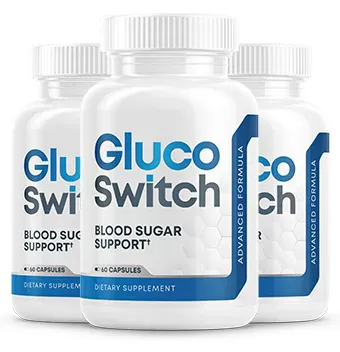
Introducing GlucoSwitch: A Synergistic Approach to Blood Sugar Support
While cinnamon is a powerful ally, achieving optimal blood sugar balance often benefits from a comprehensive approach that combines several potent, natural ingredients. This is where a well-formulated supplement like GlucoSwitch can offer targeted support.
GlucoSwitch is designed to address multiple facets of blood sugar regulation and metabolic health, offering a synergistic blend of ingredients that work together to enhance the body's natural ability to manage glucose. It goes beyond a single ingredient, providing a broad spectrum of support for insulin sensitivity, glucose metabolism, and overall well-being. By combining ingredients known for their individual benefits, GlucoSwitch aims to create a more robust effect, helping to maintain healthy blood sugar levels within the normal range. This approach is particularly valuable for those seeking consistent, natural support alongside their healthy lifestyle choices. For those looking to manage cravings more effectively, our article on supplements for stopping sugar cravings offers additional insights that complement GlucoSwitch's holistic strategy.
Key Ingredients in GlucoSwitch Supporting Healthy Blood Sugar
GlucoSwitch harnesses the power of several scientifically backed ingredients, each playing a unique role in supporting metabolic health and blood sugar balance.

Cinnamon Bark
Role: Enhances insulin sensitivity, lowers fasting blood sugar, and reduces post-meal glucose spikes. It mimics insulin and offers potent antioxidant benefits.
Typically 1-6g daily in studies
Banaba Leaves
Role: Contains corosolic acid, known for its ability to lower blood glucose levels by increasing glucose uptake into cells and improving insulin sensitivity. It's often called "plant insulin."
Extracts typically 10-48mg daily
Gymnema Sylvestre
Role: An herb traditionally used to "destroy sugar." It helps reduce sugar cravings, blocks sugar absorption in the intestines, and may stimulate insulin production.
Typically 200-400mg daily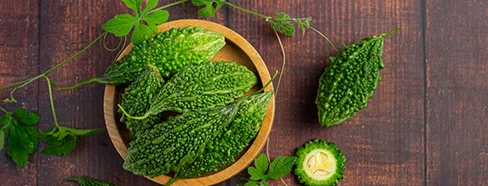
Bitter Melon
Role: Contains compounds that act like insulin, helping to lower blood sugar. It also supports glucose metabolism and may improve glucose tolerance.
Typically 500-2000mg daily
Licorice Root
Role: Known for its anti-inflammatory and antioxidant properties, licorice root can also support healthy blood sugar by influencing insulin sensitivity and glucose uptake.
Extracts typically 100-500mg daily
Juniper Berry
Role: Possesses antioxidant and anti-inflammatory effects. Traditional uses include supporting kidney function and aiding in blood sugar regulation, potentially through its impact on glucose metabolism.
Typically 100-200mg daily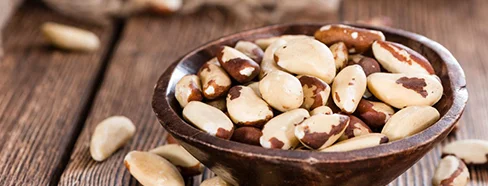
Chromium
Role: An essential trace mineral that plays a vital role in carbohydrate and lipid metabolism. It enhances insulin's action, helping to improve glucose uptake by cells.
Typically 200-1000mcg daily
Cayenne Pepper
Role: Contains capsaicin, which can improve insulin sensitivity and support a healthy metabolism. It also has thermogenic properties that may aid in weight management.
Typically 30-120mg daily
Ready to Embrace Balanced Blood Sugar Naturally?
Take control of your metabolic health with GlucoSwitch, a natural supplement formulated to support healthy blood sugar levels and enhance insulin sensitivity.
- ✓ Supports healthy blood sugar levels
- ✓ Boosts insulin sensitivity and glucose metabolism
- ✓ Reduces sugar cravings and supports weight management
- ✓ Made with 100% natural, scientifically-backed ingredients
- ✓ Manufactured in an FDA-registered, GMP-certified facility




What Our Customers Are Saying
"I've been using GlucoSwitch for three months now, and I'm genuinely impressed. My energy levels are more stable throughout the day, and my doctor noted a positive change in my fasting glucose. The cinnamon in it really seems to make a difference!"
"After struggling with fluctuating blood sugar for years, I decided to try GlucoSwitch. The combination of ingredients, especially the cinnamon and banaba, has been fantastic. I feel less sluggish, and my cravings have significantly reduced. Highly recommend!"
"As someone focused on natural health, I appreciate the well-researched ingredients in GlucoSwitch. I've noticed a real improvement in my overall metabolic balance since I started taking it. It's a key part of my daily routine now for managing my blood sugar."
Frequently Asked Questions
What is the primary way cinnamon affects blood sugar?
+Cinnamon primarily influences blood sugar by enhancing insulin sensitivity, meaning your body's cells become more responsive to insulin. This allows glucose to be more efficiently absorbed from the bloodstream into cells for energy, thereby lowering blood sugar levels. It also contains compounds that can mimic insulin's effects and slow down carbohydrate digestion.
Is all cinnamon equally effective for blood sugar control?
+No, not all cinnamon is created equal. There are two main types: Cassia cinnamon and Ceylon cinnamon. While both have blood sugar benefits, Ceylon cinnamon (often called 'true' cinnamon) is generally preferred for medicinal use because it contains significantly lower levels of coumarin, a compound that can be harmful to the liver in large doses. Cassia cinnamon is more common and affordable but should be consumed in moderation.
How much cinnamon should I consume for blood sugar benefits?
+Research suggests that effective doses can range from 1 to 6 grams (approximately half a teaspoon to two teaspoons) of cinnamon per day, typically taken for several weeks or months. However, the optimal dose can vary based on the type of cinnamon, individual health, and other factors. It's crucial to consult with a healthcare professional before starting any new supplement regimen, especially if you have existing health conditions or are on medication.
Can cinnamon replace my diabetes medication?
+Absolutely not. Cinnamon should be considered a complementary approach to support blood sugar management, not a replacement for prescribed diabetes medications or a healthy lifestyle. If you are taking medication for Type 2 Diabetes or insulin resistance, never stop or adjust your dosage without consulting your doctor. Cinnamon can potentially interact with medications, so medical supervision is essential.
Are there any side effects of taking cinnamon for blood sugar?
+When consumed in moderate amounts, cinnamon is generally safe for most people. However, high doses of Cassia cinnamon, due to its coumarin content, can potentially lead to liver damage, especially in individuals with pre-existing liver conditions. Other potential side effects, though rare, include allergic reactions, digestive upset, or interactions with blood-thinning medications. Always choose Ceylon cinnamon for regular, higher intake and consult a doctor.
How does GlucoSwitch incorporate cinnamon for blood sugar support?
+GlucoSwitch utilizes the power of cinnamon along with a blend of other potent, natural ingredients known for their blood sugar supporting properties. The formula is designed to work synergistically to address various aspects of metabolic health, including enhancing insulin sensitivity, reducing cravings, and supporting healthy glucose metabolism. It provides a convenient and precisely dosed way to integrate these beneficial compounds into your daily routine for comprehensive support.
Related Articles