Struggling to manage your blood sugar with confusing diets?
Navigating the complexities of Type 2 Diabetes and insulin resistance can feel overwhelming, especially when it comes to daily meal planning. Many individuals find themselves caught in a cycle of restrictive eating, unsure of what truly supports their metabolic health.
This comprehensive 7-day diabetic-friendly meal plan is designed to empower you with delicious, balanced, and easy-to-follow recipes, helping you take control of your blood sugar levels naturally and effectively.

Understanding Type 2 Diabetes and Insulin Resistance
Before diving into the meal plan, it's essential to grasp the basics of Type 2 Diabetes and insulin resistance. This understanding will empower you to make informed dietary choices.
Type 2 Diabetes is a chronic condition characterized by high blood sugar levels. It occurs when your body either doesn't produce enough insulin or doesn't use insulin effectively. Insulin, a hormone produced by the pancreas, is responsible for allowing glucose (sugar) from the food you eat to enter your cells for energy. When this process is disrupted, glucose accumulates in the bloodstream.
Insulin resistance is often the precursor to Type 2 Diabetes. It's a state where your body's cells don't respond well to insulin, meaning they struggle to absorb glucose from the blood. To compensate, your pancreas works overtime, producing more and more insulin. Over time, the pancreas can become exhausted, leading to insufficient insulin production and, eventually, Type 2 Diabetes. Genetic predisposition, obesity, physical inactivity, and certain lifestyle factors significantly contribute to the development of insulin resistance.
The good news is that both conditions are highly manageable, and in some cases, reversible, through lifestyle interventions, with diet being a cornerstone. A well-structured meal plan can significantly impact your blood sugar control, reduce insulin resistance, and improve overall metabolic health.
💡 Key Takeaway
Type 2 Diabetes and insulin resistance are interconnected conditions where the body struggles to process glucose effectively. Dietary changes are powerful tools to manage these conditions, improve insulin sensitivity, and prevent complications.
Foundational Principles of a Diabetic-Friendly Diet
A successful diabetic-friendly meal plan isn't about deprivation; it's about making smarter choices that nourish your body and stabilize your glucose levels. Here are the core principles:
1. Focus on Whole, Unprocessed Foods: Prioritize foods in their natural state – fresh fruits, vegetables, whole grains, lean proteins, and healthy fats. These foods are rich in nutrients and fiber, which are crucial for blood sugar management. Avoid highly processed foods, sugary drinks, and refined grains that can cause rapid blood sugar spikes.
2. Embrace Complex Carbohydrates and Fiber: Not all carbs are created equal. Opt for complex carbohydrates like whole oats, quinoa, brown rice, and legumes. These are digested slowly, preventing abrupt blood sugar surges. Fiber, abundant in vegetables, fruits, and whole grains, is vital. It aids digestion, helps regulate blood sugar, and promotes a feeling of fullness, which can assist with weight management. Aim for at least 25-35 grams of fiber daily.
3. Prioritize Lean Proteins: Protein helps slow down glucose absorption, keeps you feeling satisfied, and supports muscle maintenance. Include lean protein sources like chicken breast, fish, tofu, eggs, and legumes in every meal. This helps prevent overeating and provides sustained energy.
4. Include Healthy Fats: Healthy fats are essential for overall health and can improve insulin sensitivity. Incorporate sources like avocados, nuts, seeds, olive oil, and fatty fish (like salmon) into your diet. These fats contribute to satiety and provide vital nutrients without spiking blood sugar.
5. Mindful Portion Control: Even healthy foods can impact blood sugar if consumed in excess. Learning appropriate portion sizes is critical for effective glucose management. Using smaller plates, measuring servings, and listening to your body's hunger cues can be very helpful.
6. Hydration is Key: Drinking plenty of water throughout the day is important for overall health and can help your body flush out excess glucose. Avoid sugary beverages, which are a major source of empty calories and can significantly raise blood sugar.
The 7-Day Diabetic-Friendly Meal Plan
This comprehensive 7-day meal plan offers balanced, delicious, and easy-to-prepare meals designed to support stable blood sugar levels and improve insulin sensitivity. Remember to adjust portion sizes based on your individual caloric and dietary needs, and consult with a healthcare professional or registered dietitian for personalized advice.
Day 1: Mediterranean Kickstart
Breakfast: Oatmeal (1/2 cup dry) with berries (1/2 cup) and 1 tbsp chopped almonds.
Lunch: Large mixed green salad with grilled chicken (4 oz), cucumber, tomatoes, bell peppers, and olive oil & vinegar dressing.
Dinner: Baked salmon (5 oz) with roasted asparagus and a small serving of quinoa (1/2 cup cooked).
Day 2: Lean Protein & Veggie Focus
Breakfast: Scrambled eggs (2) with spinach and a slice of whole-wheat toast.
Lunch: Leftover baked salmon and quinoa from Day 1.
Dinner: Turkey chili (1.5 cups) loaded with beans and vegetables (no cheese or sour cream), served with a small side salad.
Day 3: Plant-Powered Goodness
Breakfast: Greek yogurt (plain, 5 oz) with a handful of walnuts and a sprinkle of cinnamon.
Lunch: Lentil soup (1.5 cups) with a small whole-grain roll.
Dinner: Tofu stir-fry (4 oz tofu) with a generous mix of broccoli, carrots, snap peas, and brown rice (1/2 cup cooked), seasoned with low-sodium soy sauce or tamari.
Day 4: Seafood & Green Power
Breakfast: Smoothie made with unsweetened almond milk, 1 scoop protein powder, 1/2 cup spinach, and 1/4 cup mixed berries.
Lunch: Tuna salad (made with Greek yogurt instead of mayo) served in lettuce cups with cherry tomatoes.
Dinner: Cod baked with lemon and herbs (5 oz), served with a large portion of steamed green beans and a small baked sweet potato (1/2 medium).
Day 5: Wholesome & Hearty
Breakfast: Whole-wheat toast (1 slice) with 1 tbsp avocado and a hard-boiled egg.
Lunch: Leftover cod and sweet potato from Day 4.
Dinner: Chicken and vegetable skewers (4 oz chicken, bell peppers, onions, zucchini) grilled or baked, served with a side of cauliflower rice.
Day 6: Flex Day & Exploration
Breakfast: Cottage cheese (1/2 cup) with sliced peaches (1/2 cup) and a sprinkle of chia seeds.
Lunch: Large veggie and bean wrap (whole-wheat tortilla) with hummus, mixed greens, and shredded carrots.
Dinner: Lean ground beef (4 oz) or black bean burger (1 patty) on a whole-wheat bun (or lettuce wrap) with a large side salad.
Day 7: Balanced & Reflective
Breakfast: Greek yogurt (plain, 5 oz) with 1/2 cup mixed berries and 1 tbsp ground flaxseed.
Lunch: Leftover lean ground beef/black bean burger and salad from Day 6.
Dinner: Chicken breast (4 oz) stuffed with spinach and feta, served with a generous portion of steamed broccoli.
Diabetic-Friendly Snacks (Choose 1-2 per day, as needed):
- A small handful of almonds or walnuts (approx. 1/4 cup)
- 1 small apple with 1 tbsp peanut butter
- Celery sticks with 2 tbsp hummus
- Hard-boiled egg
- Plain Greek yogurt (unsweetened)
- A small piece of fruit like an orange or pear
Always remember to drink plenty of water throughout the day. This meal plan serves as a template; feel free to swap similar foods based on your preferences and availability, always keeping the core principles of balanced nutrition and portion control in mind.

Beyond the Plate: Lifestyle Factors for Blood Sugar Control
While diet is paramount, managing Type 2 Diabetes and insulin resistance requires a holistic approach. Integrating these lifestyle factors will amplify the benefits of your meal plan.
Regular Physical Activity: Exercise is a powerful tool for improving insulin sensitivity. When you're active, your muscles use glucose for energy, helping to lower blood sugar levels. Aim for at least 150 minutes of moderate-intensity aerobic activity per week, along with two or more days of strength training. Even short walks after meals can make a significant difference. Find activities you enjoy to make it sustainable.
Adequate Sleep: Sleep deprivation can negatively impact blood sugar control and insulin sensitivity. When you don't get enough sleep, your body produces more stress hormones, which can raise blood glucose. Aim for 7-9 hours of quality sleep per night. Establish a consistent sleep schedule and create a relaxing bedtime routine to improve sleep quality.
Stress Management: Chronic stress can lead to elevated blood sugar levels due to the release of hormones like cortisol. Finding healthy ways to manage stress is crucial. Techniques such as meditation, deep breathing exercises, yoga, spending time in nature, or engaging in hobbies can help lower stress levels and, consequently, support better blood sugar management.
Regular Monitoring: Consistently monitoring your blood sugar levels provides valuable feedback on how your diet and lifestyle choices are impacting your glucose. This information empowers you to make necessary adjustments and work effectively with your healthcare team. Keeping a food and activity log alongside your blood sugar readings can reveal important patterns.
By integrating these lifestyle components with your diabetic-friendly meal plan, you create a powerful synergy that optimizes your body's ability to regulate blood sugar, reduces insulin resistance, and significantly improves your overall health and well-being. For more information on how a balanced approach can yield significant improvements, you might want to read about real results from GlucoSwitch users who have combined diet and lifestyle changes with targeted supplementation.
The Role of Targeted Nutritional Support
Even with a perfectly planned diet, modern farming practices and individual metabolic needs can sometimes leave nutritional gaps. This is where targeted nutritional support, like a high-quality supplement, can play a complementary role in managing blood sugar.
Filling Nutrient Gaps
Our bodies often struggle to get all necessary micronutrients from diet alone. Certain vitamins and minerals are crucial for glucose metabolism and insulin function, and supplementation can ensure optimal levels.
Enhancing Insulin Sensitivity
Specific natural compounds have been studied for their ability to improve how cells respond to insulin, reducing the burden on the pancreas and helping glucose enter cells more efficiently.
Natural Ingredient Power
Many botanical extracts and compounds found in nature have a long history of traditional use and emerging scientific evidence supporting their role in blood sugar balance.
Holistic Metabolic Support
Beyond direct blood sugar effects, certain supplements can support overall metabolic health, including healthy weight management, reduced cravings, and improved energy levels, all of which benefit diabetes management.
It's important to view supplements as an adjunct to, not a replacement for, a healthy diet and lifestyle. They can provide an extra layer of support, helping your body perform optimally in its fight against Type 2 Diabetes and insulin resistance. For a deeper dive into how specific compounds can assist, explore our article on the blood sugar switch supplement and its mechanisms.
Key Natural Ingredients for Blood Sugar Support
When considering nutritional support for blood sugar, certain natural ingredients stand out for their scientifically-backed potential. GlucoSwitch incorporates several of these powerful botanicals and nutrients:

Banaba Leaves
Role: Known for its active compound, corosolic acid, which may help lower blood glucose levels by increasing glucose uptake into cells and inhibiting alpha-glucosidase, an enzyme that breaks down carbohydrates.
Traditional use: 1-10mg corosolic acid daily
Bitter Melon
Role: Contains compounds like charantin, vicine, and polypeptide-p, which mimic insulin's action, helping cells absorb glucose and improving overall blood sugar control.
Traditional use: 500-2000mg extract daily
Cinnamon Bark
Role: Widely recognized for its ability to improve insulin sensitivity, allowing cells to better respond to insulin and absorb glucose. It can also slow carbohydrate breakdown.
Studies use: 1-6 grams daily
Gymnema Sylvestre
Role: Often called the "sugar destroyer," this herb helps reduce sugar cravings and supports healthy blood sugar levels by potentially blocking sugar absorption in the intestine and stimulating insulin production.
Traditional use: 200-400mg extract daily
Juniper Berry
Role: Rich in antioxidants, juniper berries have been traditionally used to support kidney function and may have properties that contribute to healthy blood sugar regulation.
Traditional use: Varies, often in blends
Licorice Root
Role: Contains compounds that may have anti-inflammatory and antioxidant effects, and some research suggests it could play a role in supporting healthy blood sugar metabolism.
Caution with high doses; often in blends
Cayenne Pepper
Role: Contains capsaicin, which may help improve metabolism, reduce appetite, and support healthy blood flow, indirectly aiding metabolic health.
Culinary doses, or small supplement amounts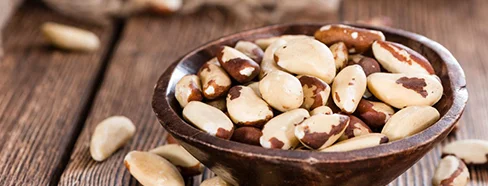
Chromium (from sources like Brazil Nuts)
Role: An essential trace mineral that plays a crucial role in carbohydrate and lipid metabolism. It enhances the action of insulin, helping glucose enter cells more efficiently.
Recommended: 200-1000mcg dailyThese ingredients are thoughtfully combined in formulations like GlucoSwitch to offer comprehensive support for individuals striving to maintain healthy blood sugar levels and improve their metabolic health. Always remember to discuss any new supplements with your doctor, especially if you are managing Type 2 Diabetes.

Take Control of Your Blood Sugar Today
While a well-planned diet is foundational, supplementing with targeted nutrients can provide additional support for healthy blood sugar levels and insulin sensitivity. GlucoSwitch offers a unique blend of natural ingredients scientifically chosen to complement your dietary efforts.
- Supports healthy blood sugar levels
- Enhances insulin sensitivity
- Boosts metabolism and energy
- Promotes healthy weight management
- Made with 100% natural ingredients




Hear From Our Satisfied Customers
"I've been trying to manage my blood sugar for years, and this meal plan, combined with GlucoSwitch, has been a game-changer. My energy levels are up, and my readings are consistently better than ever before. It's truly empowering!"
"As someone with insulin resistance, finding a sustainable eating plan was tough. This guide made it simple, and GlucoSwitch helped me feel more balanced. I'm less reliant on unhealthy snacks and feel much healthier overall."
"My doctor recommended dietary changes, and this 7-day plan was the perfect starting point. I added GlucoSwitch a few weeks in, and the combination has been fantastic. My A1C has improved, and I feel more confident in my health journey."
Frequently Asked Questions
What are the core principles of a diabetic-friendly meal plan?
+A diabetic-friendly meal plan focuses on balanced macronutrients, prioritizing complex carbohydrates, lean proteins, and healthy fats. It emphasizes whole, unprocessed foods, high fiber intake, and careful portion control to help stabilize blood sugar levels and improve insulin sensitivity. Limiting refined sugars and processed foods is also crucial.
Can I still enjoy my favorite foods on this meal plan?
+Yes, a diabetic-friendly meal plan doesn't mean giving up all your favorite foods forever. It's about moderation, portion control, and smart substitutions. You can learn to adapt recipes, choose healthier ingredients, and enjoy treats occasionally while still managing your blood sugar effectively. The goal is sustainable lifestyle changes, not extreme deprivation.
How does this meal plan address insulin resistance?
+This meal plan tackles insulin resistance by minimizing rapid spikes in blood glucose, which can overburden the pancreas and worsen insulin resistance. It achieves this through a focus on low-glycemic foods, increased fiber, and adequate protein and healthy fats, all of which help slow down sugar absorption and promote a more stable insulin response. Consistent adherence helps improve cellular sensitivity to insulin over time.
Is GlucoSwitch suitable for everyone with Type 2 Diabetes?
+GlucoSwitch is formulated with natural ingredients known for their potential to support healthy blood sugar levels and metabolic function. While it's generally well-tolerated, individual results can vary. It's crucial to consult with your healthcare provider before starting any new supplement, especially if you have Type 2 Diabetes, are on medication, or have other medical conditions, to ensure it's appropriate for your specific health needs.
How quickly can I expect to see results from following this meal plan and using GlucoSwitch?
+Results vary significantly from person to person, depending on factors like starting blood sugar levels, adherence to the plan, lifestyle, and individual metabolism. With consistent effort on the meal plan, many individuals begin to notice improvements in energy levels and blood sugar readings within a few weeks. When combined with GlucoSwitch, some users report feeling benefits within weeks, but optimal results typically emerge after 60-90 days of consistent use. Remember, this is a journey towards long-term health.
Where can I purchase GlucoSwitch and what is the guarantee?
+GlucoSwitch is exclusively available through its official website, glucoswitchofficial.com, to ensure you receive an authentic product. We offer various package options, often with significant discounts for bulk purchases. Every order is backed by a 60-day, 100% money-back guarantee, allowing you to try GlucoSwitch risk-free. If you're not satisfied with your results, you can request a full refund within 60 days of purchase.
Related Articles