Are You Making the Right Food Choices for Your Blood Sugar?
For millions living with Type 2 Diabetes and insulin resistance, every meal presents a unique challenge: how will this food impact my blood sugar? It's a question that can feel overwhelming, but understanding one key nutritional concept can empower you to make smarter, more informed decisions. That concept is the Glycemic Index (GI).
The Glycemic Index is not just another dietary fad; it's a scientifically validated tool that measures how quickly carbohydrate-containing foods raise your blood glucose levels. For diabetics, mastering the GI can be a game-changer in achieving stable blood sugar control, reducing the risk of complications, and improving overall well-being. This article will demystify the Glycemic Index, explain its profound importance for metabolic health, and provide practical strategies to integrate this knowledge into your daily life.

What Exactly is the Glycemic Index (GI)?
The Glycemic Index (GI) is a numerical ranking system that classifies carbohydrate-containing foods based on their effect on blood glucose levels over a specific period, typically two hours after consumption. It was developed in the early 1980s by Dr. David Jenkins and his colleagues at the University of Toronto as a way to guide people with diabetes in making healthier food choices.
Foods are assigned a GI value from 0 to 100. Pure glucose, which causes a very rapid and significant rise in blood sugar, serves as the reference food and is given a GI value of 100. All other foods are measured against this standard. Generally, foods are categorized into three groups:
- Low GI: 55 or less (e.g., most fruits, non-starchy vegetables, legumes, whole grains like oats)
- Medium GI: 56-69 (e.g., whole wheat bread, brown rice, sweet potatoes)
- High GI: 70 or more (e.g., white bread, white rice, sugary cereals, potatoes)
The core principle behind the GI is to understand how different carbohydrates are digested and absorbed. Carbohydrates that are quickly broken down into glucose and released into the bloodstream are considered high GI. Conversely, carbohydrates that are digested and absorbed slowly result in a more gradual and sustained rise in blood glucose, earning them a low GI rating. This slow release is particularly beneficial for individuals managing conditions like Type 2 Diabetes and insulin resistance, as it helps prevent sudden spikes and crashes in blood sugar, which can be detrimental to long-term health.
It's important to remember that the GI value of a food can be influenced by several factors, including its ripeness, processing method, cooking time, and even the presence of other nutrients like fat and protein. For example, a ripe banana will have a higher GI than an unripe one, and instant oatmeal will have a higher GI than steel-cut oats. Understanding these nuances is key to effectively utilizing the GI in your diet.
💡 Key Takeaway
The Glycemic Index ranks carbohydrate foods by their impact on blood sugar, with low GI foods promoting stable glucose levels and high GI foods causing rapid spikes. This distinction is vital for managing Type 2 Diabetes.
How is the Glycemic Index Measured?
The process of determining a food's Glycemic Index involves a standardized scientific methodology to ensure accuracy and consistency. This isn't just an arbitrary ranking; it's based on human physiological responses.
Typically, a group of healthy volunteers consumes a test food containing a specific amount of digestible carbohydrates (usually 50 grams). Their blood glucose levels are then measured at regular intervals over the next two hours. This blood glucose response is plotted on a graph. The area under this glucose response curve for the test food is then compared to the area under the curve for a reference food, which is usually pure glucose or white bread, consumed by the same individuals on a separate occasion. The GI value is calculated as a percentage of the reference food's response.
Mathematically, the formula is:
GI = (Area under the blood glucose curve for test food / Area under the blood glucose curve for reference food) x 100
This rigorous testing ensures that the GI values are reflective of how the human body processes different carbohydrates. However, it's also worth noting that individual responses can vary slightly due to factors like metabolism, gut microbiome, and the presence of other foods consumed in the same meal. While the GI provides a valuable average, personal monitoring (e.g., with a continuous glucose monitor) can offer even more personalized insights for individuals with diabetes.
The scientific community continually refines and expands the database of GI values, making it an increasingly comprehensive resource for dietary management. This ongoing research underscores the importance of the GI as a dynamic and evolving tool in the fight against chronic diseases like Type 2 Diabetes.
Low GI vs. High GI Foods: What's the Difference?
Understanding the practical differences between low and high GI foods is crucial for making informed dietary choices, especially when managing blood sugar levels.
Low GI Foods (GI ≤ 55)
These foods are characterized by a slow and steady release of glucose into the bloodstream. They typically contain complex carbohydrates, high fiber content, or are less processed. Examples include most non-starchy vegetables (broccoli, spinach, carrots), fruits (apples, berries, oranges), legumes (lentils, chickpeas, beans), whole grains (oats, barley, quinoa), and nuts. The slow digestion helps maintain stable blood sugar, provides sustained energy, and can enhance satiety, making them excellent choices for diabetics and those aiming for weight management.
Medium GI Foods (GI 56-69)
These foods fall in the middle range, causing a moderate rise in blood sugar. They can be included in a balanced diet but often require mindful portion control, especially for diabetics. Examples include whole wheat bread, brown rice, sweet potatoes, and certain ripe fruits like mangoes. Their impact on blood sugar is more significant than low GI foods but less dramatic than high GI options. Pairing them with protein and healthy fats can help mitigate their glycemic effect.
High GI Foods (GI ≥ 70)
These foods are rapidly digested and absorbed, leading to quick and substantial spikes in blood glucose. They often consist of refined carbohydrates, added sugars, and highly processed ingredients. Common examples include white bread, white rice, sugary cereals, pastries, potatoes (especially mashed or fried), and sweetened beverages. For individuals with Type 2 Diabetes, consuming high GI foods frequently can lead to persistent hyperglycemia, increased insulin demand, and a higher risk of complications. Limiting or avoiding these foods is a cornerstone of effective blood sugar management.

Why the Glycemic Index Matters for Diabetics and Insulin Resistance
For individuals diagnosed with Type 2 Diabetes or those experiencing insulin resistance, the Glycemic Index is more than just a dietary guideline; it's a critical tool for health management. The physiological impact of high GI foods can exacerbate the underlying challenges of these conditions, while low GI choices offer significant protective benefits.
When a person with Type 2 Diabetes consumes a high GI food, the rapid influx of glucose into the bloodstream triggers a substantial demand for insulin. In Type 2 Diabetes, the body's cells are often resistant to insulin's effects (insulin resistance), and the pancreas may not produce enough insulin to adequately clear the glucose. This leads to prolonged periods of high blood sugar (hyperglycemia), which is damaging to various organs and blood vessels over time. Chronic hyperglycemia contributes to the development and progression of diabetic complications such as cardiovascular disease, kidney damage (nephropathy), nerve damage (neuropathy), and vision problems (retinopathy).
Conversely, choosing low GI foods helps to prevent these sharp blood sugar spikes. The gradual release of glucose means the body's insulin response is more moderate and sustained, placing less stress on the pancreas. This can improve insulin sensitivity over time, helping the body to utilize glucose more efficiently. Stable blood sugar levels also translate to fewer energy crashes, better mood regulation, and reduced cravings, contributing to a better quality of life.
Furthermore, research consistently shows that diets rich in low GI foods are associated with a lower risk of developing Type 2 Diabetes in the first place, and they are effective in its management. It's a proactive approach to dietary health that aligns directly with the goals of diabetes care: maintaining optimal blood glucose control. For more insights into broader dietary strategies, you might find our article on sugar detox supplements helpful in understanding how to reduce overall sugar impact.
The Role of Insulin and Blood Sugar Spikes
To fully appreciate the significance of the Glycemic Index, it's essential to understand the intricate dance between food, blood sugar, and insulin within the body.
Glucose: The Body's Primary Fuel
When you eat carbohydrate-containing foods, your digestive system breaks them down into glucose, which is then absorbed into your bloodstream. Glucose is a vital energy source for all your cells, especially your brain and muscles. Its presence in the blood signals the need for a hormone called insulin.
Insulin: The Key to Cellular Entry
Insulin, produced by the pancreas, acts like a key that unlocks your cells, allowing glucose to enter from the bloodstream to be used for energy or stored for later. It's a crucial hormone for maintaining blood sugar balance. After a meal, as blood glucose rises, the pancreas releases insulin to bring those levels back down to a healthy range.
The Problem with Blood Sugar Spikes
When you consume high GI foods, glucose floods the bloodstream rapidly, causing a sharp blood sugar spike. In response, the pancreas has to work overtime, releasing a large surge of insulin. For someone with insulin resistance, the cells don't respond effectively to this insulin, leading to glucose remaining elevated in the blood. Over time, the pancreas can become exhausted, further impairing insulin production.
The Downside of Insulin Overload
Frequent, large insulin surges are not only taxing on the pancreas but also contribute to weight gain (as insulin promotes fat storage) and can worsen insulin resistance. This creates a vicious cycle where higher insulin levels are needed to manage increasingly resistant cells, leading to chronic high blood sugar and all its associated health risks. This cycle is a central challenge in managing Type 2 Diabetes.
Low GI for Stable Glucose and Insulin
By choosing low GI foods, you promote a more gradual and controlled release of glucose. This elicits a gentler, more sustained insulin response, allowing your body to manage blood sugar more effectively without overwhelming the system. This stability is key to protecting pancreatic function, improving cellular sensitivity to insulin, and preventing the rollercoaster effect of energy highs and lows.
💡 Key Takeaway
High GI foods cause rapid blood sugar spikes, forcing the pancreas to release large amounts of insulin. This can worsen insulin resistance and pancreatic exhaustion in diabetics. Low GI foods, conversely, lead to stable glucose and insulin levels, crucial for metabolic health.
Practical Tips for Using the Glycemic Index in Your Daily Diet
Integrating the Glycemic Index into your daily dietary choices doesn't have to be complicated. With a few strategic adjustments, you can significantly improve your blood sugar management.
1. Swap High GI Staples for Low GI Alternatives: This is arguably the easiest and most impactful change. Instead of white bread, opt for whole-grain sourdough or rye. Replace white rice with brown rice, wild rice, quinoa, or barley. Choose steel-cut oats over instant varieties. Swap sugary cereals for plain oats or high-fiber, low-sugar options. When it comes to potatoes, consider sweet potatoes (medium GI) or small portions of boiled new potatoes over mashed or fried white potatoes.
2. Prioritize Fiber: Fiber is a diabetic's best friend. It slows down the digestion and absorption of carbohydrates, naturally lowering the glycemic response of a meal. Ensure your diet is rich in high-fiber foods like non-starchy vegetables (broccoli, leafy greens, peppers), legumes (lentils, chickpeas), and whole fruits with their skins. Fiber also contributes to satiety, helping with weight management.
3. Combine Foods Strategically: You don't have to eliminate all medium or high GI foods entirely, but you can mitigate their impact. Always pair them with sources of protein and healthy fats. For example, if you have a small serving of a medium GI food, combine it with lean protein (chicken, fish, tofu) and healthy fats (avocado, nuts, olive oil). Protein and fat slow gastric emptying and carbohydrate absorption, reducing the overall glycemic load of the meal.
4. Mind Your Portions: The Glycemic Index tells you how quickly a food raises blood sugar, but the Glycemic Load (GL) takes portion size into account. Even a low GI food, if eaten in very large quantities, can significantly impact blood sugar. Conversely, a small portion of a medium GI food might have a lower GL than a large portion of a low GI food. Always practice portion control, especially with carbohydrate-rich foods.
5. Cook Smart: The way you prepare food can affect its GI. Overcooking pasta or rice, for instance, can increase its GI because it breaks down starches more, making them easier to digest. Aim for al dente pasta. Roasting or boiling potatoes often results in a lower GI than mashing or frying them. Minimal processing is generally better.
6. Don't Forget Lifestyle Factors: Exercise plays a huge role in blood sugar control by increasing insulin sensitivity. Adequate sleep and stress management also contribute significantly. The GI is a powerful tool, but it works best as part of a holistic approach to health. If you're looking for additional ways to support your blood sugar, consider reading our blood sugar supplement buying guide to help navigate your options.
Beyond GI: Other Factors Influencing Blood Sugar
While the Glycemic Index is an invaluable resource for managing blood sugar, it's crucial to understand that it's just one piece of a larger puzzle. Several other factors contribute to how your body processes carbohydrates and regulates glucose levels.
1. Glycemic Load (GL): As briefly mentioned, GL is often considered more comprehensive than GI because it accounts for both the quality (GI) and quantity (serving size) of carbohydrates in a food. A watermelon, for example, has a high GI, but a typical serving size contains relatively few carbohydrates, giving it a low GL. This means a moderate portion of watermelon won't cause a drastic blood sugar spike. Focusing on GL can provide a more accurate picture of a meal's overall impact.
2. Fiber Content: Dietary fiber, particularly soluble fiber, slows down digestion and the absorption of glucose, leading to a more gradual rise in blood sugar. Foods rich in fiber, even those with moderate GI, often have a lower overall impact on glucose levels. This is why whole fruits are generally better than fruit juice, as the fiber in the whole fruit helps to buffer the sugar.
3. Fat and Protein Content: The presence of fat and protein in a meal significantly slows down gastric emptying and carbohydrate digestion. This is why eating a carbohydrate-rich food alone might cause a faster blood sugar spike than eating the same food as part of a balanced meal containing protein and healthy fats. For instance, a plain bagel will have a higher glycemic response than a bagel with cream cheese and smoked salmon.
4. Food Processing: Highly processed foods tend to have a higher GI. Processing often removes fiber and other beneficial nutrients, and it breaks down the food's structure, making starches more readily available for digestion. Think of the difference between a whole apple and apple sauce, or steel-cut oats versus instant oats.
5. Cooking Methods: The way food is cooked can also alter its GI. For example, overcooked pasta or rice has a higher GI than al dente versions. Baking a potato can increase its GI compared to boiling it, as the heat changes the starch structure.
6. Individual Variability: Everyone's body responds slightly differently to food. Factors like genetics, gut microbiome composition, activity level, and time of day can influence individual glycemic responses. This is why personalized monitoring can be very insightful for diabetics. You might also want to explore hidden causes of high blood sugar to gain a deeper understanding of these individual factors.
By considering these additional factors alongside the Glycemic Index, individuals with Type 2 Diabetes can develop a more comprehensive and effective strategy for managing their blood sugar and improving their overall metabolic health.
Natural Support for Blood Sugar Management
While a GI-aware diet forms the foundation of blood sugar management, certain natural ingredients have been studied for their ability to support the body's glucose regulation mechanisms. These ingredients can complement a healthy lifestyle for individuals with Type 2 Diabetes and insulin resistance.

Gymnema Sylvestre
Role: Known as the "sugar destroyer," it helps reduce sugar cravings, supports healthy insulin levels, and aids in glucose utilization.
Typical Dose: 200-400 mg extract daily
Banaba Leaves
Role: Contains corosolic acid, which may help lower blood glucose by enhancing glucose uptake into cells and improving insulin sensitivity.
Typical Dose: 8-48 mg extract daily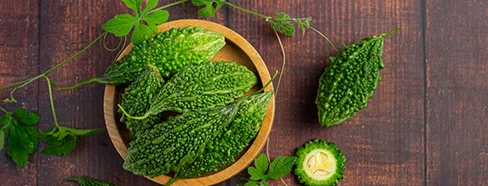
Bitter Melon
Role: Mimics insulin's action, helps lower blood glucose, and may improve glucose metabolism in various tissues.
Typical Dose: 500-2000 mg extract daily
Cinnamon Bark
Role: Enhances insulin sensitivity, lowers blood sugar levels, and may reduce fasting glucose and cholesterol.
Typical Dose: 1-6 grams powder daily
Juniper Berry
Role: Traditionally used for its diuretic and antioxidant properties, some studies suggest it may have hypoglycemic effects.
Typical Dose: 1-10 grams dried berry daily
Licorice Root
Role: Contains compounds that may have anti-inflammatory and antioxidant effects, potentially aiding in metabolic health and blood sugar regulation.
Typical Dose: 200-800 mg extract daily
Cayenne Pepper
Role: Contains capsaicin, which may help improve insulin sensitivity, boost metabolism, and support healthy glucose levels.
Typical Dose: 30-120 mg daily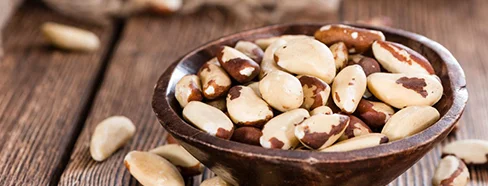
Chromium (from Brazil Nuts)
Role: An essential trace mineral that enhances the action of insulin, helping to improve glucose uptake by cells and support healthy blood sugar.
Typical Dose: 200-1000 mcg dailyThese ingredients, often found in comprehensive blood sugar support supplements like GlucoSwitch, can offer synergistic benefits when combined with a healthy diet and regular exercise. Always consult with your healthcare provider before starting any new supplement regimen, especially if you have existing medical conditions or are taking medications.

Ready to Take Control of Your Blood Sugar Journey?
Managing Type 2 Diabetes and insulin resistance requires a multi-faceted approach, and while understanding the Glycemic Index is vital, sometimes your body needs an extra helping hand. GlucoSwitch is a cutting-edge natural supplement designed to support healthy blood sugar levels, enhance metabolic function, and promote overall well-being.
- ✓ Supports healthy blood sugar levels
- ✓ Boosts natural insulin sensitivity
- ✓ Reduces sugar cravings and supports weight management
- ✓ Formulated with 100% natural, scientifically-backed ingredients
- ✓ Made in the USA in a GMP-certified facility




Hear From Our Satisfied Customers
"GlucoSwitch has been a fantastic addition to my diabetes management. I've noticed more stable energy throughout the day and my numbers have been consistently better. It works well with my low GI diet!"
"I was skeptical at first, but after a few weeks of using GlucoSwitch, I feel a real difference. My cravings for sugary snacks have decreased, and I feel more in control of my blood sugar. Highly recommend for anyone focusing on their metabolic health."
"As someone constantly battling insulin resistance, finding GlucoSwitch has been a blessing. It supports my efforts with diet and exercise, and I'm seeing positive trends in my glucose readings. Plus, it's all natural!"
Frequently Asked Questions
What exactly is the Glycemic Index (GI)?
+The Glycemic Index (GI) is a numerical scale that ranks carbohydrates based on how quickly they raise blood glucose (sugar) levels after eating. Foods are assigned a value from 0 to 100, with pure glucose serving as the reference point at 100. Foods with a high GI are rapidly digested and absorbed, causing a quick and significant rise in blood sugar, while low GI foods are digested more slowly, leading to a gradual and sustained increase.
Why is understanding the GI particularly important for individuals with Type 2 Diabetes?
+For people with Type 2 Diabetes and insulin resistance, managing blood sugar levels is paramount to preventing complications. High GI foods can lead to rapid blood sugar spikes, which can be challenging for an impaired insulin system to handle. Consistently choosing low GI foods helps maintain more stable blood glucose, reducing the strain on the pancreas, improving insulin sensitivity over time, and lowering the risk of long-term health issues like neuropathy, nephropathy, and cardiovascular disease.
Are all carbohydrates treated equally by the Glycemic Index?
+No, the GI specifically differentiates between carbohydrates based on their impact on blood sugar. For example, a slice of white bread has a much higher GI than a serving of lentils, even though both contain carbohydrates. This is because the type of sugar, fiber content, and processing of the food significantly influence how quickly glucose is released into the bloodstream. It’s a tool to help you distinguish between different carbohydrate sources and their physiological effects.
Can I rely solely on the Glycemic Index to manage my diabetic diet?
+While the Glycemic Index is an invaluable tool, it shouldn't be the sole focus of a diabetic diet. Other factors like portion size (Glycemic Load), overall nutritional content (vitamins, minerals, fiber), fat and protein content, and how foods are prepared also play crucial roles. A balanced approach that considers the GI alongside these other elements, focusing on whole, unprocessed foods, healthy fats, and adequate protein, is essential for comprehensive blood sugar management and overall health.
How can I easily incorporate low GI foods into my daily meals?
+Incorporating low GI foods can be simple. Start by swapping high GI staples for lower GI alternatives: choose whole-grain bread over white, brown rice or quinoa over white rice, steel-cut oats over instant oats, and legumes (beans, lentils) frequently. Prioritize non-starchy vegetables, and include healthy fats and proteins with your carbohydrate meals to further slow digestion. Planning meals in advance and looking up GI values for common foods can also be very helpful.
Where does GlucoSwitch fit into a GI-aware lifestyle for diabetics?
+GlucoSwitch is a natural dietary supplement formulated with ingredients known to support healthy blood sugar levels, complement a balanced diet, and enhance metabolic function. While it's not a substitute for understanding the Glycemic Index or making healthy food choices, it can act as a supportive tool. By helping to optimize the body's natural mechanisms for glucose regulation, GlucoSwitch can assist individuals in their journey to maintain stable blood sugar, especially when combined with a GI-conscious eating plan and an active lifestyle.
Related Articles