Are you seeking natural ways to support your blood sugar levels and enhance metabolic health?
In a world increasingly grappling with the challenges of Type 2 Diabetes and insulin resistance, many are turning to nature's rich bounty for complementary solutions. While modern medicine provides crucial interventions, the wisdom of traditional practices, particularly the use of herbs and spices, offers a compelling avenue for supporting healthy glucose metabolism.
This comprehensive guide, authored by Dr. Nancy White and reviewed by Dr. Paul Johnson, M.D., delves into the scientific evidence behind various herbs and spices that have shown promise in helping to control blood sugar naturally. We'll explore their mechanisms of action, practical applications, and how they can integrate into a holistic approach to managing your health.
The Rising Tide of Type 2 Diabetes and Insulin Resistance
Type 2 Diabetes, a chronic metabolic disorder, has reached epidemic proportions worldwide. It's characterized by high blood sugar levels resulting from either insufficient insulin production or the body's cells not responding properly to insulin (insulin resistance).
Insulin, a hormone produced by the pancreas, is essential for regulating blood sugar. It acts like a key, allowing glucose from the bloodstream to enter cells for energy. When cells become insulin resistant, this key no longer works effectively, leading to a buildup of glucose in the blood. Over time, high blood sugar can lead to serious health complications, including heart disease, kidney damage, nerve damage, and vision loss.
While genetics play a role, lifestyle factors such as diet, lack of physical activity, and obesity are major contributors to the development of Type 2 Diabetes and insulin resistance. The good news is that lifestyle modifications can significantly impact prevention and management. This includes adopting a balanced diet, engaging in regular exercise, managing stress, and getting adequate sleep. Beyond these fundamental pillars, research is increasingly highlighting the potential benefits of certain natural compounds found in everyday herbs and spices.
The goal of this article is to empower you with knowledge about these natural allies, providing a balanced perspective on their potential benefits and limitations. Remember, while promising, these natural remedies should always complement, not replace, conventional medical treatment and professional advice.
💡 Key Takeaway
Type 2 Diabetes and insulin resistance are prevalent conditions driven by lifestyle and genetics. While conventional treatments are vital, natural interventions, particularly certain herbs and spices, offer complementary support for managing blood sugar levels and improving metabolic health.
How Herbs and Spices Can Influence Blood Sugar
Many herbs and spices have been used for centuries in traditional medicine systems for their various health benefits, including their purported effects on metabolism. Modern science is now beginning to unravel the complex mechanisms by which these natural compounds might help regulate blood sugar.
Improving Insulin Sensitivity
Some compounds can enhance the sensitivity of cells to insulin, meaning less insulin is needed to get glucose into the cells. This directly addresses insulin resistance, a root cause of Type 2 Diabetes. By making cells more responsive, these herbs help the body utilize glucose more efficiently.
Reducing Glucose Absorption
Certain herbs can slow down the digestion of carbohydrates and the absorption of glucose from the gut into the bloodstream. This leads to a more gradual rise in blood sugar after meals, preventing sharp spikes that can stress the pancreas and contribute to long-term damage.
Stimulating Insulin Secretion
A few plants contain compounds that can directly stimulate the pancreatic beta cells to produce and release more insulin. This is particularly beneficial for individuals whose pancreas may not be producing enough insulin to meet the body's demands, although careful monitoring is essential.
Antioxidant and Anti-inflammatory Effects
Chronic inflammation and oxidative stress are known to contribute to insulin resistance and pancreatic beta-cell dysfunction. Many herbs and spices are rich in antioxidants and possess anti-inflammatory properties, which can protect cells from damage and improve overall metabolic function, indirectly supporting blood sugar control.
Modulating Enzyme Activity
Some natural compounds can inhibit enzymes involved in carbohydrate metabolism, such as alpha-glucosidase, which breaks down complex carbohydrates into glucose. By slowing this process, they help manage post-meal blood sugar levels, similar to how certain pharmaceutical drugs work.
Key Herbs and Spices for Blood Sugar Management
Let's explore some of the most researched and promising herbs and spices that may offer support for blood sugar control, backed by scientific investigation.

Cinnamon (Cinnamomum cassia/zeylanicum)
Role: Cinnamon is perhaps one of the most widely studied spices for blood sugar control. Its active compounds, particularly cinnamaldehyde, are believed to mimic insulin, increasing glucose uptake by cells, and improving insulin sensitivity. It may also slow down carbohydrate digestion, reducing post-meal blood sugar spikes. Studies suggest it can lower fasting blood glucose and improve lipid profiles in individuals with Type 2 Diabetes.
Typical dosage: 1-6 grams of powder daily, or extract equivalent.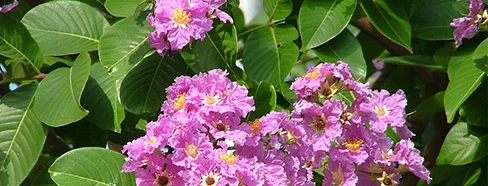
Banaba Leaf (Lagerstroemia speciosa)
Role: Hailing from Southeast Asia, Banaba leaf has a long history in traditional medicine for treating diabetes. Its primary active compound, corosolic acid, is known for its insulin-like effects, promoting glucose transport from the blood into cells. It may also inhibit alpha-glucosidase, an enzyme that breaks down carbohydrates, further contributing to lower post-meal blood sugar levels. Banaba leaf is often included in advanced glucose support formulas due to its potent effects.
Typical dosage: 10-30 mg corosolic acid extract daily.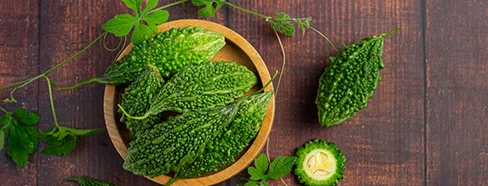
Bitter Melon (Momordica charantia)
Role: As its name suggests, bitter melon has a distinct bitter taste but offers significant potential for blood sugar management. It contains compounds like charantin, vicine, and polypeptide-p, which act synergistically to lower blood glucose. These compounds are thought to improve insulin secretion, enhance glucose utilization by peripheral tissues, and inhibit glucose production in the liver. It's often referred to as "plant insulin" in traditional systems.
Typical dosage: 50-200 mg extract, or up to 2000 mg dried fruit daily.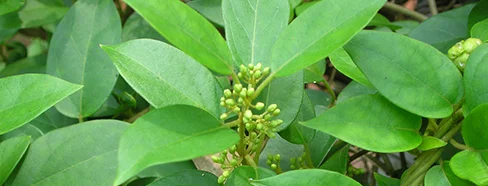
Gymnema Sylvestre
Role: Known as the "sugar destroyer" in Ayurvedic medicine, Gymnema Sylvestre leaves contain gymnemic acids that can temporarily suppress the taste of sweetness, helping to curb sugar cravings. Beyond this, it's believed to reduce glucose absorption in the intestines and stimulate insulin secretion from the pancreas. It also appears to support the regeneration of pancreatic beta cells, offering a multi-faceted approach to blood sugar balance. This herb is also a key component in supplements aimed at stopping sugar cravings.
Typical dosage: 200-400 mg of extract (25% gymnemic acid) daily.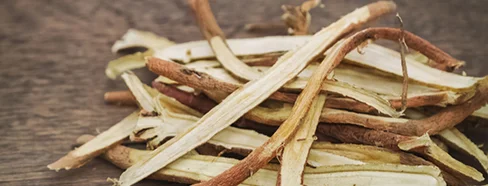
Licorice Root (Glycyrrhiza glabra)
Role: More than just a flavoring, licorice root has been used for its medicinal properties for millennia. Recent research suggests that compounds in licorice, particularly glabridin and amorfrutins, can exert potent anti-diabetic effects. Amorfrutins have been shown to reduce blood sugar and improve insulin sensitivity by activating PPARγ, a nuclear receptor involved in glucose and lipid metabolism. It also possesses anti-inflammatory properties, which can indirectly aid metabolic health.
Typical dosage: 50-200 mg of deglycyrrhizinated licorice (DGL) or extract.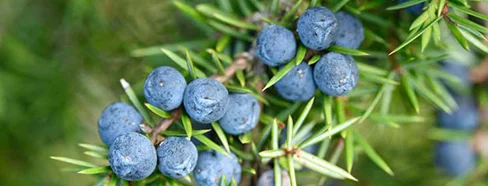
Juniper Berry (Juniperus communis)
Role: Traditionally used as a diuretic and for various ailments, juniper berries are gaining attention for their potential anti-diabetic properties. Animal studies indicate that juniper berry extract can significantly lower blood glucose levels, likely by stimulating insulin release and improving cellular glucose uptake. They are also rich in antioxidants, which can mitigate oxidative stress associated with diabetes and support overall cellular health. The berries also contain compounds that may help with weight management, another factor in blood sugar control.
Typical dosage: 100-500 mg of extract daily.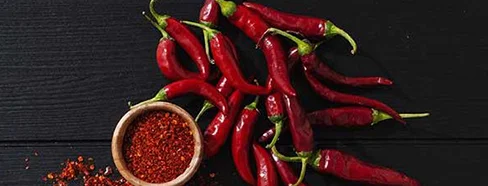
Cayenne Pepper (Capsicum annuum)
Role: The active compound in cayenne pepper, capsaicin, is responsible for its heat and many of its health benefits. Research suggests capsaicin can improve insulin sensitivity and reduce post-meal blood sugar levels by increasing energy expenditure and improving glucose metabolism. It may also help reduce inflammation, a known contributor to insulin resistance. Furthermore, capsaicin can aid in weight management by boosting metabolism and reducing appetite, indirectly supporting blood sugar control.
Typical dosage: 30-120 mg capsaicinoids daily, or culinary use.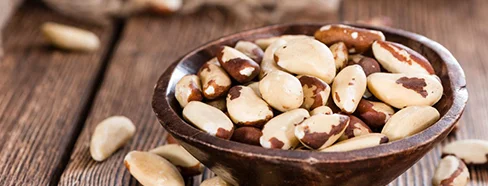
Chromium (often found in Brazil Nuts)
Role: While not an herb or spice, chromium is an essential trace mineral that plays a crucial role in carbohydrate and lipid metabolism. It enhances the action of insulin, helping it to bind more effectively to cells and facilitate glucose uptake. Chromium deficiency has been linked to impaired glucose tolerance and insulin resistance. Brazil nuts are a particularly rich natural source of chromium (and selenium), making them a valuable addition to a blood sugar-friendly diet. Many advanced glucose support formulas also include chromium for its proven benefits.
Typical dosage: 200-1000 mcg chromium picolinate daily.Beyond these, other herbs like Fenugreek, Ginger, Turmeric, and Ginseng also show promise in various studies for their anti-diabetic properties, often through similar mechanisms of improving insulin sensitivity, reducing glucose absorption, or possessing antioxidant and anti-inflammatory effects. Incorporating a variety of these into your diet or considering a comprehensive supplement can offer broad-spectrum support.
💡 Key Takeaway
A diverse range of herbs and spices, including cinnamon, banaba leaf, bitter melon, gymnema sylvestre, licorice root, juniper berry, cayenne pepper, and the mineral chromium, offer scientifically-backed benefits for blood sugar control by improving insulin sensitivity, reducing glucose absorption, and combating inflammation.
Integrating Natural Solutions with a Holistic Lifestyle
While herbs and spices can be powerful allies, they are most effective when integrated into a comprehensive approach to health. Managing Type 2 Diabetes and insulin resistance requires attention to several key lifestyle factors.
Balanced Nutrition: A diet rich in whole, unprocessed foods, lean proteins, healthy fats, and complex carbohydrates is fundamental. Limiting refined sugars, processed foods, and excessive saturated fats can significantly improve blood sugar control. Emphasize fiber-rich foods like vegetables, fruits, and whole grains, which help slow glucose absorption and promote satiety.
Regular Physical Activity: Exercise is a potent tool for improving insulin sensitivity. When you exercise, your muscles use glucose for energy, helping to lower blood sugar levels. Aim for a combination of aerobic activities (like walking, jogging, swimming) and strength training several times a week. Even moderate activity, like a brisk 30-minute walk daily, can make a substantial difference.
Stress Management: Chronic stress can elevate blood sugar levels by triggering the release of hormones like cortisol, which promote glucose production. Incorporating stress-reducing practices such as meditation, yoga, deep breathing exercises, or spending time in nature can be incredibly beneficial for metabolic health.
Adequate Sleep: Poor sleep quality or insufficient sleep can negatively impact insulin sensitivity and glucose metabolism. Aim for 7-9 hours of quality sleep per night. Establishing a consistent sleep schedule and creating a relaxing bedtime routine can help improve sleep patterns.
Weight Management: For many individuals with Type 2 Diabetes and insulin resistance, losing even a modest amount of weight can significantly improve blood sugar control and insulin sensitivity. Combining a healthy diet with regular exercise is the most effective strategy for sustainable weight loss.
By addressing these lifestyle pillars alongside the thoughtful incorporation of beneficial herbs and spices, you can create a powerful synergy that supports optimal metabolic health and helps keep blood sugar levels in a healthy range. Remember that consistency and patience are key, as lasting health improvements are built over time.
The Role of Supplements: A Convenient Approach
While incorporating herbs and spices into your diet is beneficial, achieving therapeutic doses of certain compounds through food alone can be challenging. This is where high-quality dietary supplements come into play, offering a concentrated and convenient way to harness the benefits of these natural ingredients.
Targeted Nutrient Delivery
Supplements can deliver specific doses of active compounds, such as corosolic acid from Banaba leaf or gymnemic acids from Gymnema Sylvestre, ensuring you receive a consistent and effective amount that might be difficult to obtain through diet alone.
Synergistic Formulations
Many supplements are formulated to combine several beneficial ingredients that work synergistically. This allows for a multi-pronged approach to blood sugar support, targeting different pathways involved in glucose metabolism and insulin sensitivity, often making them a best blood sugar supplement option for many.
Bridging Dietary Gaps
For individuals with dietary restrictions or those who find it challenging to regularly consume a wide variety of specific herbs and spices, supplements provide a practical solution to ensure adequate intake of beneficial compounds.
Quality and Purity Assurance
Reputable supplement manufacturers adhere to strict quality control standards, including third-party testing and GMP (Good Manufacturing Practices) certification. This ensures the purity, potency, and safety of the ingredients, giving consumers confidence in what they are taking. An advanced glucose support formula should always meet these standards.
When choosing a supplement, it's vital to do your research. Look for products that are transparent about their ingredients, dosages, and manufacturing processes. Always consult with your healthcare provider before starting any new supplement, especially if you have existing health conditions or are taking medications, to ensure it's appropriate and safe for your individual needs. They can help you understand how a supplement like an advanced glucose support formula might fit into your overall health plan.

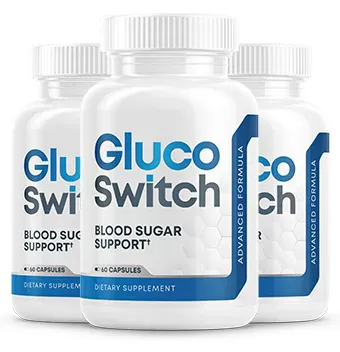
Introducing GlucoSwitch: Your Natural Ally for Balanced Blood Sugar
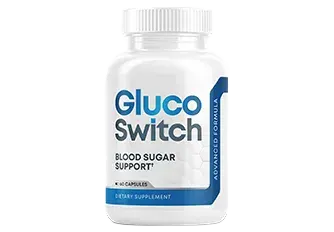
Harnessing the power of nature, GlucoSwitch is a cutting-edge dietary supplement designed to support healthy blood sugar levels and promote overall metabolic wellness. Formulated with a blend of scientifically-backed natural ingredients, many of which we've discussed, GlucoSwitch offers a convenient and effective way to integrate these beneficial compounds into your daily routine.
- ✓ Supports healthy blood sugar levels
- ✓ Enhances insulin sensitivity
- ✓ Contains potent natural ingredients like Banaba Leaf, Bitter Melon, and Cinnamon
- ✓ Manufactured in a GMP-certified facility
- ✓ 100% natural, non-GMO, and stimulant-free



What Our Customers Are Saying
"I've been using GlucoSwitch for three months now, and I'm amazed at the difference it's made. My energy levels are up, and my blood sugar readings are more stable. It's truly helped me feel more in control of my health. Highly recommend!"
"As someone who struggled with fluctuating blood sugar, finding GlucoSwitch has been a game-changer. The natural ingredients give me peace of mind, and I've noticed a significant improvement in my overall well-being. It's easy to take and fits perfectly into my routine."
"My doctor recommended looking into natural support for my blood sugar, and GlucoSwitch came highly recommended. I appreciate the transparency of the ingredients and the noticeable positive effects on my energy and sugar cravings. I feel more confident about my health journey now."
Frequently Asked Questions
What is insulin resistance and how do herbs help?
+Insulin resistance occurs when your body's cells don't respond effectively to insulin, leading to elevated blood sugar levels. Many herbs and spices contain bioactive compounds that can improve insulin sensitivity, reduce glucose absorption, or stimulate insulin secretion, thereby helping to manage blood sugar.
Are these herbs and spices safe for everyone?
+While many herbs and spices are generally safe for culinary use, concentrated supplemental forms can have potent effects. They may interact with medications or be contraindicated for certain health conditions. Always consult with a healthcare professional before starting any new herbal supplement, especially if you have Type 2 Diabetes, insulin resistance, or are on medication.
Can I replace my diabetes medication with herbs and spices?
+Absolutely not. Herbs and spices should be considered as complementary approaches to support blood sugar management, not as replacements for prescribed medications or medical advice. Discontinuing or altering your medication without consulting your doctor can be dangerous. They work best as part of a comprehensive lifestyle plan, under medical supervision.
How quickly can I expect to see results from using these natural remedies?
+The timeline for observing effects from herbs and spices varies widely among individuals and depends on the specific herb, dosage, individual metabolism, and overall lifestyle. Some people might notice subtle changes within weeks, while for others, it could take months. Consistency is key, alongside a healthy diet and regular exercise. Patience and monitoring your blood sugar levels are important.
What is GlucoSwitch and how does it relate to these herbs?
+GlucoSwitch is a natural dietary supplement formulated with a blend of ingredients, many of which are potent herbs, spices, and nutrients known for their potential to support healthy blood sugar levels. It aims to offer a convenient way to incorporate some of these beneficial compounds into your daily routine, working synergistically to address factors related to insulin sensitivity and glucose metabolism. It's designed to complement a healthy lifestyle.
Where can I find high-quality herbal supplements for blood sugar?
+When seeking herbal supplements, it's crucial to prioritize quality and purity. Look for products from reputable manufacturers that provide third-party testing, clear ingredient sourcing, and are manufactured in GMP-certified facilities. Brands like GlucoSwitch ensure their products meet stringent quality standards, offering transparency about their ingredients and manufacturing processes.
Related Articles You Might Find Helpful