Your Body Is Drowning in Insulin — Here's How to Fix It
Right now, 96 million American adults have prediabetes, and 80% of them don't even know it. Their cells have become resistant to insulin's signals, forcing the pancreas to pump out more and more of this critical hormone just to keep blood sugar from spiraling out of control. It's a metabolic time bomb — and it's ticking faster than most people realize.
The good news? Insulin resistance is not permanent. Clinical research shows you can measurably improve insulin sensitivity within 90 days using the right combination of targeted supplements, strategic exercise, and lifestyle optimization. Berberine alone reduced HOMA-IR (the gold-standard measure of insulin resistance) by 44.7% in peer-reviewed trials. This guide gives you the complete, science-backed protocol to reset your insulin sensitivity and reclaim your metabolic health.

What Is Insulin Resistance — And Why Should You Care?
Insulin resistance is the metabolic dysfunction that precedes nearly every chronic disease of the modern era — from type 2 diabetes to heart disease, Alzheimer's, and even certain cancers.
When you eat carbohydrates, your body converts them into glucose. Your pancreas releases insulin, which acts like a key, unlocking your cells so glucose can enter and be used for energy. In a healthy metabolism, this system works seamlessly. But when cells are constantly bombarded with insulin — typically from years of high-sugar diets, sedentary lifestyles, chronic stress, and poor sleep — they start to ignore insulin's signals. They become resistant.
Your pancreas responds by producing even more insulin, creating a dangerous cycle. Blood insulin levels soar (a condition called hyperinsulinemia) while blood sugar gradually creeps upward. This metabolic dysfunction doesn't happen overnight. It develops silently over years, and by the time fasting glucose readings flag a problem, insulin resistance has often been entrenched for a decade or more.
The HOMA-IR (Homeostatic Model Assessment of Insulin Resistance) is the clinical gold standard for measuring this condition. A score below 1.0 indicates excellent insulin sensitivity, while scores above 2.5 suggest significant resistance. The average American adult now scores around 2.7 — firmly in the insulin resistant range.
💡 Key Takeaway
Insulin resistance is the root cause of prediabetes and type 2 diabetes. It develops silently over years, but it can be reversed with the right approach. The goal is to reduce your HOMA-IR score through a combination of supplements, exercise, weight management, and sleep optimization.

7 Warning Signs You Need an Insulin Sensitivity Reset
Insulin resistance rarely announces itself with dramatic symptoms. Instead, it whispers through subtle changes that most people dismiss as "normal aging."
Persistent Belly Fat
Visceral fat around the midsection is both a cause and consequence of insulin resistance. If you're accumulating fat around your waist despite exercise, insulin is likely the culprit. A waist circumference above 40 inches (men) or 35 inches (women) strongly correlates with insulin resistance.
Afternoon Energy Crashes
That 2-3 PM slump isn't just about lunch choices. When cells can't efficiently absorb glucose, your brain gets shortchanged on fuel. The resulting energy crash is your body's distress signal that glucose isn't getting where it needs to go.
Intense Sugar Cravings
Ironically, insulin resistance makes you crave the very foods that worsen it. When glucose can't enter cells efficiently, your brain interprets this as a fuel shortage and triggers powerful carbohydrate cravings — creating a vicious cycle.
Brain Fog and Poor Concentration
Your brain consumes 20% of your body's glucose. When insulin resistance impairs glucose delivery to neurons, cognitive function suffers. Studies show insulin resistant individuals score 12-15% lower on memory and concentration tests.
Dark Skin Patches (Acanthosis Nigricans)
Velvety, darkened patches of skin around the neck, armpits, or groin are a clinical hallmark of insulin resistance. This occurs because excess insulin stimulates skin cell growth and melanin production in fold areas.
Elevated Triglycerides and Low HDL
Insulin resistance disrupts lipid metabolism, typically raising triglycerides above 150 mg/dL while suppressing protective HDL cholesterol below 40 mg/dL. This pattern is a reliable metabolic fingerprint of insulin resistance.
Poor Sleep Quality and Night Waking
Insulin resistance disrupts cortisol rhythms and blood sugar stability overnight. The result is frequent waking between 2-4 AM as your body releases stress hormones to compensate for unstable glucose levels during sleep.
Berberine Rivals Metformin: The Insulin Sensitivity Breakthrough
If there's one natural compound that has truly disrupted the insulin resistance conversation, it's berberine — a yellow alkaloid extracted from plants like goldenseal and barberry.
A landmark 2008 study published in Metabolism compared berberine head-to-head with metformin — the most commonly prescribed drug for insulin resistance and type 2 diabetes. The results were remarkable. Berberine reduced HbA1c by 2.0% (metformin achieved 1.6%), lowered fasting blood glucose by 35%, and reduced HOMA-IR scores by 44.7%. These weren't marginal improvements — they were clinically equivalent to the gold-standard pharmaceutical.
How does berberine work? It activates an enzyme called AMPK (AMP-activated protein kinase), often called the body's "metabolic master switch." AMPK activation increases glucose uptake into cells independent of insulin, improves mitochondrial function, and reduces hepatic glucose production. Essentially, berberine provides an alternative pathway for getting glucose into cells, even when insulin signaling is impaired.
A 2012 meta-analysis of 14 randomized controlled trials involving 1,068 participants confirmed berberine's effects: significant reductions in fasting glucose (-0.87 mmol/L), HbA1c (-0.72%), triglycerides (-0.48 mmol/L), and LDL cholesterol (-0.38 mmol/L). The evidence is clear — berberine is one of the most powerful natural tools available for resetting insulin sensitivity.
💡 Key Takeaway
Berberine has been clinically shown to reduce HOMA-IR by 44.7%, matching or exceeding metformin in multiple studies. It works by activating AMPK, your body's metabolic master switch. GlucoSwitch contains berberine alongside 18 other synergistic ingredients for comprehensive insulin sensitivity support.
4 More Clinically Proven Supplements for Insulin Sensitivity
While berberine leads the pack, several other natural compounds provide complementary pathways for resetting insulin sensitivity — and the best results come from combining them.

Cinnamon Bark Extract
A 2003 study in Diabetes Care showed that 1-6 grams of cinnamon daily reduced fasting glucose by 18-29%, triglycerides by 23-30%, and LDL cholesterol by 7-27% in type 2 diabetics. Cinnamon works by enhancing insulin receptor sensitivity and improving glucose transporter (GLUT4) activity. It also slows gastric emptying, reducing post-meal glucose spikes by up to 34%.
Clinical Dose: 500-2,000mg daily
Chromium Picolinate
Chromium is an essential trace mineral that amplifies insulin signaling at the cellular level. A meta-analysis of 25 clinical trials found chromium supplementation reduced fasting glucose by 17.1 mg/dL and HbA1c by 0.6% in diabetic patients. It works by enhancing chromodulin, a natural molecule that amplifies insulin receptor activity by up to 8-fold when chromium levels are adequate.
Clinical Dose: 200-1,000mcg daily
Gymnema Sylvestre
Known as the "sugar destroyer" in Ayurvedic medicine, gymnema contains gymnemic acids that block sugar receptors on the tongue and in the intestines. More importantly for insulin sensitivity, research shows gymnema can regenerate pancreatic beta cells — the cells responsible for producing insulin. A 2001 study found 400mg daily reduced HbA1c by 1.1% in type 2 diabetics over 18 months.
Clinical Dose: 400-800mg daily
Banaba Leaf Extract
Banaba leaf contains corosolic acid, which has been shown to activate glucose transporters (GLUT4) independent of insulin — similar to berberine's mechanism. Clinical trials demonstrated that 32-48mg of corosolic acid reduced blood glucose by 10-30% within 2 hours of ingestion. This makes banaba particularly valuable for improving post-meal glucose handling in insulin resistant individuals.
Clinical Dose: 32-48mg corosolic acid daily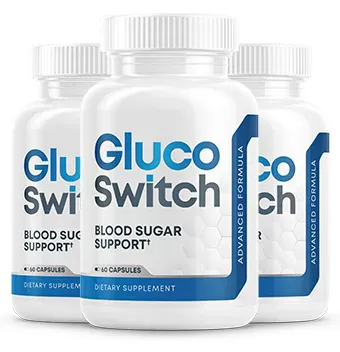
Reset Your Insulin Sensitivity with GlucoSwitch
- 19 clinically studied ingredients including berberine, chromium, gymnema & cinnamon
- Targets insulin resistance through multiple metabolic pathways
- 4.9/5 rating from 52,000+ verified users
- Manufactured in GMP-certified, FDA-registered facility in the USA




The Insulin Sensitivity Exercise Protocol
Exercise is arguably the most potent insulin sensitizer available — a single bout of moderate exercise can improve insulin sensitivity for up to 48 hours.
When muscles contract, they activate GLUT4 glucose transporters without requiring insulin. This is why exercise can immediately improve blood sugar levels even in severely insulin resistant individuals. But not all exercise is created equal when it comes to resetting insulin sensitivity.
Resistance Training (3x/week)
Builds muscle mass, the body's largest glucose sink. Each pound of muscle added increases daily glucose disposal by approximately 20mg. A 2013 study found 16 weeks of resistance training improved insulin sensitivity by 46% in prediabetic adults. Focus on compound movements: squats, deadlifts, rows, and presses.
Walking After Meals (daily)
A 15-minute walk after each meal reduces post-meal glucose spikes by 22-30% according to research from George Washington University. This simple habit leverages the immediate GLUT4 activation window and prevents the dramatic insulin surges that worsen resistance over time.
HIIT Sessions (2x/week)
High-intensity interval training creates a powerful EPOC (excess post-exercise oxygen consumption) effect that keeps insulin sensitivity elevated for 24-48 hours. Just 20 minutes of HIIT improved insulin sensitivity by 35% in a 2-week study. Try 30 seconds all-out effort followed by 90 seconds recovery, repeated 8 times.
The 10% Weight Loss Threshold: Why It Matters
The Diabetes Prevention Program — one of the largest clinical trials ever conducted on prediabetes — revealed a powerful dose-response relationship between weight loss and insulin sensitivity.
Participants who lost just 5-7% of their body weight reduced their risk of developing type 2 diabetes by 58%. But the improvements didn't stop there. Those who achieved 10% weight loss saw insulin sensitivity improve by up to 80%, with HOMA-IR scores dropping to near-normal levels.
For a 200-pound person, this means losing 20 pounds can essentially reset your metabolic clock. The reason is visceral fat — the fat packed around your organs — is metabolically active tissue that pumps out inflammatory cytokines (TNF-alpha, IL-6) that directly impair insulin signaling. Reducing visceral fat removes a primary driver of insulin resistance at the source.
The key insight is that you don't need to reach your "ideal" weight to see dramatic metabolic improvements. Even modest weight loss, when combined with targeted supplementation like GlucoSwitch and regular exercise, creates synergistic effects that multiply insulin sensitivity gains far beyond what any single intervention achieves alone.
Sleep & the 5-Hour Danger Zone
If you're doing everything else right but sleeping poorly, you're undermining your entire insulin reset. Sleep deprivation is one of the fastest ways to induce insulin resistance — even in young, healthy individuals.
A groundbreaking University of Chicago study demonstrated that restricting healthy young men to 4 hours of sleep for just 6 nights reduced their insulin sensitivity by 40% — pushing them into a prediabetic metabolic state. Another study showed that sleeping less than 5 hours per night increased diabetes risk by 2.5x compared to those sleeping 7-8 hours.
The mechanism is straightforward: sleep deprivation elevates cortisol, increases sympathetic nervous system activity, raises inflammatory markers, and disrupts the overnight growth hormone pulse that normally aids glucose metabolism. Cortisol alone can raise blood sugar by 15-20% even without eating, and chronically elevated cortisol directly promotes visceral fat storage — creating the perfect storm for insulin resistance.
Target 7-9 Hours
Research consistently shows this range optimizes insulin sensitivity, growth hormone release, and cortisol regulation. Even moving from 6 to 7 hours produces measurable metabolic improvements within 2 weeks.
Consistent Bedtime
Irregular sleep timing disrupts circadian regulation of insulin. A study found that each hour of variability in bedtime increased HOMA-IR by 0.15 points. Set a consistent sleep schedule — even on weekends.
Dark, Cool Room
Melatonin suppression from artificial light impairs overnight glucose metabolism. Keep your room below 68°F and eliminate all light sources. Even dim light exposure during sleep raised insulin resistance by 15% in clinical studies.
Stress & Insulin Resistance: The Hidden Connection
Chronic psychological stress may be sabotaging your insulin sensitivity as effectively as a poor diet — yet it's the most overlooked factor in most insulin resistance protocols.
When you're stressed, your adrenal glands release cortisol and adrenaline. These hormones trigger hepatic glucose output (your liver dumps stored sugar into your bloodstream) and simultaneously reduce insulin sensitivity in muscle and fat tissue. This was a survival advantage when stress meant running from predators. But in modern life, chronic low-grade stress keeps this system activated continuously.
Research from Carnegie Mellon University found that individuals with high chronic stress had HOMA-IR scores 21% higher than their low-stress counterparts, independent of diet and exercise. A separate study in Psychoneuroendocrinology showed that 8 weeks of mindfulness meditation reduced fasting glucose by 8.7 mg/dL and improved HOMA-IR by 0.41 points.
Practical stress management strategies for your insulin reset include: 10 minutes of daily meditation or deep breathing (4-7-8 pattern), limiting news consumption and social media scrolling, spending 20+ minutes outdoors in nature daily (shown to reduce cortisol by 12-16%), and supplementing with adaptogenic herbs like those found in GlucoSwitch's comprehensive formula.
The Complete 90-Day Insulin Sensitivity Reset Protocol
Here's how to combine all of the evidence above into a structured, actionable protocol that maximizes your chances of resetting insulin sensitivity within 90 days.
Days 1-30: Foundation Phase
Begin daily GlucoSwitch supplementation to establish berberine, chromium, gymnema, and cinnamon levels in your system. Start a 15-minute post-meal walking routine after every meal. Establish a consistent sleep schedule targeting 7-9 hours. Reduce refined sugar intake by 50%. Begin 2x per week resistance training sessions. Expected HOMA-IR improvement: 10-15%.
Days 31-60: Acceleration Phase
Continue GlucoSwitch daily. Add 2 HIIT sessions per week (20 minutes each). Increase resistance training to 3x per week. Implement a 12-hour overnight fasting window (e.g., 7 PM to 7 AM) to reduce overnight insulin levels. Add 10 minutes of daily stress management (meditation, deep breathing). Target 5% body weight loss. Expected HOMA-IR improvement: 25-35%.
Days 61-90: Optimization Phase
Continue all previous interventions. Extend overnight fasting to 14 hours if tolerated. Focus on sleep quality optimization (dark room, cool temperature, no screens 1 hour before bed). Target 7-10% total body weight loss. Consider lab testing: fasting insulin, fasting glucose, and HOMA-IR calculation. Expected HOMA-IR improvement: 40-55%.
💡 Key Takeaway
The 90-day protocol works because it stacks multiple insulin-sensitizing strategies together. GlucoSwitch provides the supplemental foundation (berberine, chromium, gymnema, cinnamon, and 15 more ingredients), while exercise, weight loss, sleep, and stress management amplify results through complementary metabolic pathways. Clinical data suggests this combined approach can reduce HOMA-IR by 40-55%.
Tracking Your Progress: How to Know It's Working
You can't manage what you don't measure. Here are the key metrics and signs to track during your 90-day insulin sensitivity reset.
Lab Markers (Test at Day 1, 45, 90)
Fasting insulin (target: below 8 uIU/mL), fasting glucose (target: below 95 mg/dL), HbA1c (target: below 5.7%), HOMA-IR (target: below 1.5), and triglyceride-to-HDL ratio (target: below 2.0). These provide objective measurement of your metabolic improvement.
Physical Signs (Track Weekly)
Waist circumference (should decrease), energy stability throughout the day (fewer crashes), reduced afternoon cravings, improved sleep quality, clearer thinking, and reduced skin tag formation. Many users report noticeable improvements within the first 2-4 weeks of taking GlucoSwitch.
Daily Monitoring
If you have a glucometer, track fasting blood glucose each morning and post-meal readings at 1 and 2 hours. A continuous glucose monitor (CGM) provides even better data. Look for fasting glucose trending downward and post-meal spikes becoming smaller and returning to baseline faster.
Real Results from Real People
"My doctor said my HOMA-IR went from 4.2 to 1.8 after 3 months on GlucoSwitch. She actually asked what I was doing differently. I've lost 18 pounds and my energy is through the roof."
"I followed the 90-day protocol almost exactly as described. Fasting glucose went from 128 to 97. My afternoon crashes are completely gone and I've dropped 2 pant sizes. GlucoSwitch was the missing piece."
"After being prediabetic for 3 years, I finally found something that works. My A1C dropped from 6.3 to 5.5 in just 90 days. The combination of GlucoSwitch with walking after meals was a game changer."
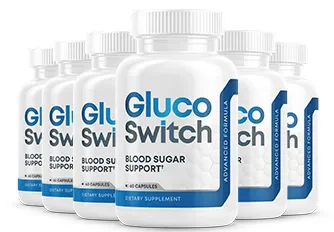
Start Your 90-Day Insulin Reset Today
- 6-bottle supply covers your complete 90-day reset protocol
- Berberine, chromium, gymnema, cinnamon & 15 more insulin-sensitizing ingredients
- 44.7% HOMA-IR reduction potential backed by clinical studies
- 100% risk-free with 60-day money-back guarantee
Frequently Asked Questions
Can you actually reverse insulin resistance?
+Yes. Research published in the Journal of Clinical Endocrinology shows that insulin resistance can be significantly improved through a combination of targeted supplementation, exercise, weight loss, sleep optimization, and stress management. Berberine alone reduced HOMA-IR scores by 44.7% in clinical trials, and a comprehensive approach can achieve even greater improvements within 90 days.
How long does it take to reset insulin sensitivity?
+Most people begin noticing improvements in energy and cravings within 2-4 weeks. Measurable changes in fasting insulin and HOMA-IR scores typically appear within 8-12 weeks of consistent supplementation and lifestyle changes. A full 90-day protocol is recommended for lasting, significant results.
What is the best supplement for insulin resistance?
+Berberine is the most clinically validated single ingredient, rivaling metformin in multiple studies. However, a multi-ingredient formula like GlucoSwitch that combines berberine with chromium, gymnema sylvestre, cinnamon bark, and 15 other ingredients provides superior multi-pathway support. This comprehensive approach targets insulin resistance from multiple angles simultaneously.
Is berberine as effective as metformin for insulin resistance?
+Multiple clinical trials have shown berberine produces comparable reductions in fasting glucose, HbA1c, and HOMA-IR scores to metformin. A 2008 study in Metabolism journal found berberine reduced HbA1c by 2% and fasting glucose by 35%, matching metformin's performance without the gastrointestinal side effects common with the pharmaceutical drug.
How much weight do you need to lose to improve insulin sensitivity?
+Research from the Diabetes Prevention Program shows that losing just 5-10% of body weight can improve insulin sensitivity by 30-60% and reduce diabetes risk by 58%. For a 200-pound person, that means losing just 10-20 pounds can produce dramatic metabolic improvements.
Does sleep affect insulin resistance?
+Absolutely. Studies show that sleeping less than 5 hours per night increases insulin resistance by up to 40%. Even partial sleep deprivation for just 4 nights can reduce insulin sensitivity by 23%. Optimizing sleep to 7-9 hours nightly is one of the most impactful lifestyle changes for improving insulin sensitivity.