Are You Seeking Natural Ways to Manage Type 2 Diabetes?
Type 2 Diabetes and insulin resistance are growing global health challenges, affecting millions worldwide. While conventional medicine offers crucial interventions, a rising number of individuals are exploring complementary and alternative approaches to support their journey towards better health. The good news is that nature provides a wealth of powerful tools that, when used strategically and consistently, can significantly impact blood sugar management.
This article delves deep into scientifically-backed natural remedies, from dietary adjustments and lifestyle changes to potent botanical extracts, offering a comprehensive guide for those looking to adopt a more holistic approach to blood sugar management. We'll explore how these natural strategies work, what to look for, and how they can be integrated into your daily routine to foster lasting well-being.

Understanding Type 2 Diabetes and Insulin Resistance
Before diving into remedies, it's crucial to grasp the underlying mechanisms of Type 2 Diabetes and insulin resistance. This understanding empowers you to make informed choices for your health.
Type 2 Diabetes is a chronic condition characterized by high blood sugar levels. It typically develops when the body either doesn't produce enough insulin (a hormone that regulates blood sugar) or, more commonly, when the body's cells become resistant to the effects of insulin. This latter phenomenon is known as insulin resistance.
In a healthy individual, after eating, carbohydrates are broken down into glucose, which enters the bloodstream. The pancreas releases insulin, signaling cells to absorb glucose for energy or storage. With insulin resistance, cells in the muscles, fat, and liver don't respond well to insulin, leading to glucose buildup in the blood. To compensate, the pancreas works overtime, producing more insulin. Over time, the pancreatic beta cells can wear out, leading to insufficient insulin production and persistently high blood glucose levels, which define Type 2 Diabetes.
Factors contributing to insulin resistance and Type 2 Diabetes include genetics, obesity (especially abdominal fat), physical inactivity, poor diet, certain medications, and chronic stress. The insidious nature of insulin resistance means it can develop silently over years, often without noticeable symptoms, until blood sugar levels become significantly elevated. Recognizing the early signs and taking proactive steps is vital for prevention and management.
💡 Key Takeaway
Type 2 Diabetes is primarily a disease of insulin resistance, where cells fail to respond effectively to insulin, leading to elevated blood sugar. Lifestyle factors like diet, exercise, and weight play a significant role in its development and can be powerful levers for natural management.
The Foundational Pillars of Natural Blood Sugar Management
Effective natural management of Type 2 Diabetes and insulin resistance begins with a strong foundation of lifestyle changes. These aren't just "nice-to-haves"; they are essential, potent interventions that can significantly improve your health markers.
Embrace a Nutrient-Dense, Low-Glycemic Diet
What you eat has the most direct and immediate impact on your blood sugar levels. A diet rich in whole, unprocessed foods and low in refined carbohydrates and sugars is paramount. Focus on fiber-rich vegetables, lean proteins, healthy fats, and complex carbohydrates. This approach helps stabilize blood glucose, reduces insulin spikes, and can improve insulin sensitivity over time.
Prioritize Regular Physical Activity
Exercise is a powerful tool against insulin resistance. When you move, your muscles use glucose for energy, directly lowering blood sugar. Regular physical activity also makes your cells more sensitive to insulin. Aim for a combination of aerobic exercise (like brisk walking, cycling, swimming) and strength training (lifting weights or bodyweight exercises) most days of the week.
Achieve and Maintain a Healthy Weight
Excess body fat, particularly around the abdomen, is a major contributor to insulin resistance. Losing even a modest amount of weight can significantly improve blood sugar control. For many, a 5-10% reduction in body weight can drastically enhance insulin sensitivity and reduce the risk of diabetes complications. This is often a direct result of consistent dietary and exercise changes.
Manage Stress and Optimize Sleep
Chronic stress triggers the release of hormones like cortisol, which can elevate blood sugar levels and contribute to insulin resistance. Similarly, inadequate or poor-quality sleep can disrupt metabolic hormones and worsen insulin sensitivity. Incorporate stress-reducing practices like meditation, deep breathing, yoga, or spending time in nature. Aim for 7-9 hours of quality sleep per night to support overall metabolic health.

Dietary Strategies for Optimal Blood Sugar Control
Focus on Whole Foods
Prioritize whole, unprocessed foods. This means choosing fresh fruits and vegetables, whole grains (in moderation), lean proteins, and healthy fats. Avoid anything with added sugars, refined flours, and excessive sodium. Whole foods retain their fiber, vitamins, and minerals, which are crucial for stable blood sugar.
Emphasize Fiber Intake
Dietary fiber, especially soluble fiber found in oats, beans, apples, and nuts, slows down sugar absorption and helps regulate blood glucose levels. It also contributes to satiety, aiding in weight management. Aim for at least 25-30 grams of fiber per day from various plant sources.
Choose Healthy Fats
Healthy fats, such as those found in avocados, nuts, seeds, and olive oil, are essential for overall health and can improve insulin sensitivity. They also help you feel full and satisfied, reducing the urge to snack on unhealthy options. Incorporate sources of omega-3 fatty acids like fatty fish.
Lean Protein with Every Meal
Protein helps slow down the absorption of glucose into the bloodstream and can reduce post-meal blood sugar spikes. It also plays a key role in building and repairing tissues and promoting satiety. Include sources like chicken, fish, eggs, tofu, lentils, and Greek yogurt in your meals.
Hydration is Key
Drinking plenty of water is vital for overall health, including blood sugar regulation. It helps your kidneys flush out excess sugar through urine. Avoid sugary drinks and fruit juices, which can cause rapid blood sugar spikes. Opt for plain water, unsweetened tea, or coffee.
Mindful Eating Practices
Paying attention to your hunger and fullness cues, eating slowly, and savoring your food can prevent overeating and improve digestion. Mindful eating also helps you recognize emotional triggers for eating, which can be beneficial for blood sugar control and weight management.
The Power of Movement: Exercise for Insulin Sensitivity
Beyond diet, physical activity stands as one of the most potent natural interventions for managing Type 2 Diabetes and improving insulin sensitivity. Its benefits extend far beyond just burning calories.
When you engage in physical activity, your muscles use glucose for energy. This direct consumption helps to lower blood sugar levels in the short term. More importantly, consistent exercise over time makes your body's cells, particularly muscle cells, more responsive to insulin. This means that the insulin your pancreas produces can work more efficiently to move glucose out of your bloodstream and into your cells, effectively combating insulin resistance. This improved sensitivity can last for up to 48 hours after a workout, highlighting the importance of regular activity.
Different types of exercise offer distinct benefits:
- Aerobic Exercise: Activities like brisk walking, jogging, cycling, swimming, or dancing for at least 30 minutes, most days of the week, are excellent for improving cardiovascular health and directly lowering blood glucose.
- Strength Training: Lifting weights, using resistance bands, or performing bodyweight exercises (like squats, push-ups) builds muscle mass. More muscle mass means more places for glucose to be stored and utilized, further improving insulin sensitivity. Aim for 2-3 sessions per week.
- Flexibility and Balance: While not directly impacting blood sugar as much, activities like yoga and tai chi improve overall physical function, reduce stress (which can indirectly help blood sugar), and prevent injuries, making it easier to maintain other forms of exercise.
Even small increases in daily activity can make a difference. Taking the stairs instead of the elevator, parking further away, or going for short walks throughout the day can add up. The key is consistency and finding activities you enjoy to make exercise a sustainable part of your lifestyle. Remember, always consult with your doctor before starting any new exercise regimen, especially if you have existing health conditions.
Beyond Diet & Exercise: Stress, Sleep, and Environmental Factors
While diet and exercise are foundational, other aspects of our modern lifestyle can significantly impact blood sugar control and insulin sensitivity. Addressing these often-overlooked areas is crucial for a truly holistic approach.
Chronic Stress: In today's fast-paced world, chronic stress is rampant. When stressed, your body releases hormones like cortisol and adrenaline. These hormones prepare your body for a "fight or flight" response by increasing blood glucose levels, providing quick energy. While beneficial in acute situations, sustained high levels of these hormones due to chronic stress can lead to persistent high blood sugar and worsened insulin resistance. Incorporating stress-reduction techniques such as mindfulness meditation, deep breathing exercises, spending time in nature, or engaging in hobbies can help mitigate these effects.
Sleep Deprivation: The quality and quantity of your sleep profoundly affect your metabolic health. Even a single night of poor sleep can impair insulin sensitivity and increase blood sugar levels the following day. Chronic sleep deprivation can lead to hormonal imbalances, increased appetite, and a greater risk of developing Type 2 Diabetes. Aim for 7-9 hours of quality sleep per night. Establishing a consistent sleep schedule, creating a dark, cool, and quiet sleep environment, and avoiding screens before bed can significantly improve sleep quality.
Environmental Toxins: Emerging research suggests that certain environmental toxins, sometimes referred to as "diabetogens," may contribute to insulin resistance and Type 2 Diabetes. These include pollutants, pesticides, and chemicals found in plastics (like BPA and phthalates). While it's impossible to avoid all exposure, reducing your toxic load by choosing organic foods, filtering your water, using natural household products, and minimizing plastic use can be beneficial. Supporting your body's natural detoxification pathways through a nutrient-rich diet is also helpful.
By addressing these often-neglected areas, you create a more supportive internal and external environment for your body to naturally regulate blood sugar and improve insulin function. This multi-faceted approach is key to long-term success in managing Type 2 Diabetes and promoting overall metabolic health.
Potent Natural Ingredients for Blood Sugar Support
Beyond diet and lifestyle, certain natural botanicals and nutrients have demonstrated remarkable potential in supporting healthy blood sugar levels and improving insulin sensitivity. Many of these ingredients are found in effective supplements like GlucoSwitch, designed to offer comprehensive metabolic support.

Banaba Leaf (Lagerstroemia speciosa)
Role: Known for its active compound, corosolic acid, Banaba leaf has been traditionally used to help lower blood glucose levels. It's believed to improve glucose uptake by cells and regulate insulin levels, making cells more responsive to insulin.
Typical Dose: 2-10 mg corosolic acid, or 100-300 mg extract daily.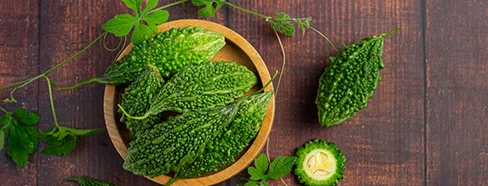
Bitter Melon (Momordica charantia)
Role: This fruit is a powerhouse for blood sugar management. It contains compounds like charantin, vicine, and polypeptide-p, which act like insulin to help lower blood glucose. It also supports healthy glucose metabolism and may reduce glucose absorption in the gut.
Typical Dose: 500-2000 mg of extract daily.
Cinnamon Bark (Cinnamomum verum)
Role: Cinnamon is widely researched for its ability to mimic insulin and improve glucose uptake by cells. It can also slow down the breakdown of carbohydrates in the digestive tract, preventing rapid blood sugar spikes after meals. It's a flavorful and effective spice.
Typical Dose: 1-6 grams of powder or 250-500 mg extract daily.
Gymnema Sylvestre
Role: Often called the "sugar destroyer," Gymnema has been used in Ayurvedic medicine for centuries. It helps reduce sugar cravings, blocks sugar absorption in the intestines, and may stimulate insulin production in the pancreas, supporting overall glucose balance. You can learn more about this and other key ingredients at glucoswitch-ingredients-gymnema-berberine-chromium.html.
Typical Dose: 200-400 mg of extract daily, standardized to gymnemic acid.
Chromium Picolinate
Role: An essential trace mineral, Chromium plays a vital role in carbohydrate and lipid metabolism. It enhances the action of insulin, helping it to work more efficiently. This can lead to improved glucose control and may reduce insulin resistance.
Typical Dose: 200-1000 mcg daily.
Licorice Root (Glycyrrhiza glabra)
Role: Beyond its use in confectionery, licorice root contains compounds that may possess anti-diabetic and anti-inflammatory properties. Studies suggest it can help protect pancreatic beta cells and reduce blood sugar levels, though it should be used cautiously due to potential side effects at high doses.
Typical Dose: 200-800 mg extract daily (deglycyrrhizinated licorice often preferred).
Juniper Berry (Juniperus communis)
Role: Traditionally used for various ailments, Juniper berries have shown potential in animal studies to lower blood sugar levels and improve cholesterol profiles. Its antioxidant and anti-inflammatory properties may also contribute to its metabolic benefits.
Typical Dose: 1-2 grams of dried berries or 100-200 mg extract daily.
Cayenne Pepper (Capsicum annuum)
Role: The capsaicin in cayenne pepper may improve insulin sensitivity and help regulate blood sugar. It can also boost metabolism and promote fat burning, which are beneficial for weight management, a key factor in diabetes control.
Typical Dose: 30-120 mg of capsaicinoids daily or as a spice.When considering natural supplements, it's vital to choose high-quality products that combine these beneficial ingredients in effective dosages. This is where a well-formulated product like GlucoSwitch can be a valuable addition to your natural health strategy. GlucoSwitch is designed to provide comprehensive support for blood sugar regulation, harnessing the synergistic power of these and other carefully selected natural compounds. To explore more about how such a formula can work for you, consider reading our article on best-blood-sugar-supplement.html.
GlucoSwitch: A Natural Approach to Blood Sugar Balance
As we've explored, managing Type 2 Diabetes and insulin resistance naturally involves a multi-faceted approach. While diet and exercise are paramount, supplementing with targeted natural ingredients can provide additional, powerful support. This is the philosophy behind GlucoSwitch.
GlucoSwitch is an advanced dietary supplement formulated with a blend of natural ingredients specifically chosen for their roles in supporting healthy blood sugar levels and improving insulin sensitivity. It aims to address various aspects of metabolic health, working in harmony with your body's natural processes. Many of the ingredients discussed above, such as Banaba Leaf, Bitter Melon, Cinnamon, and Chromium, are key components of the GlucoSwitch formula, each playing a unique and vital role.
The developers of GlucoSwitch understand that modern lifestyles, including dietary habits and exposure to certain environmental factors, can impact metabolic function. Therefore, the formula is designed to offer a comprehensive solution, providing nutrients that may be lacking in the average diet or that specifically target pathways involved in glucose regulation. By combining these potent extracts, GlucoSwitch seeks to:
- Enhance Insulin Sensitivity: Helping your cells respond more effectively to insulin.
- Support Healthy Blood Glucose Levels: Aiding in the maintenance of stable blood sugar throughout the day.
- Reduce Sugar Cravings: Making it easier to adhere to a healthy, low-sugar diet.
- Promote Healthy Metabolism: Supporting your body's natural ability to process fats and carbohydrates.
- Provide Antioxidant Support: Protecting cells from oxidative stress, which can contribute to metabolic dysfunction.
GlucoSwitch is presented as a convenient, all-natural supplement that can be easily integrated into your daily routine. It's a natural option for those who are committed to a holistic approach to their health and are looking for additional support in their journey toward optimal blood sugar balance. For a deeper dive into the science and specific mechanisms of action of its components, you might find value in exploring resources like advanced-glucose-support-formula.html.
Take the First Step Towards Natural Blood Sugar Balance
You've learned about the powerful impact of diet, exercise, stress management, and specific natural ingredients on Type 2 Diabetes and insulin resistance. Now, it's time to put that knowledge into action. GlucoSwitch offers a meticulously crafted formula, combining nature's most effective blood sugar support compounds into one easy-to-take supplement.
- ✓ Supports healthy blood sugar levels
- ✓ Enhances insulin sensitivity naturally
- ✓ Reduces unwanted sugar cravings
- ✓ Made with 100% natural, scientifically-backed ingredients
- ✓ Manufactured in an FDA-registered, GMP-certified facility




Real Stories from Satisfied GlucoSwitch Users
"I've been battling fluctuating blood sugar for years, and while I try to eat well, it's been a struggle. GlucoSwitch has made a noticeable difference. My energy levels are more consistent, and I feel less reliant on sugary snacks. It's truly helped me feel more in control."
"My doctor suggested exploring natural options alongside my lifestyle changes. After some research, I chose GlucoSwitch. I'm genuinely impressed. My blood sugar readings have been more stable, and I've even lost a few pounds without drastically changing my diet. Highly recommend it!"
"As someone who prefers natural solutions, I was thrilled to find GlucoSwitch. The blend of ingredients is exactly what I was looking for. I feel lighter, more active, and my sugar cravings have significantly diminished. It's a fantastic supplement for anyone looking for real support."
Frequently Asked Questions
What are the primary natural approaches to managing Type 2 Diabetes?
+The primary natural approaches involve a holistic strategy: dietary changes focusing on whole, unprocessed foods; regular physical activity; effective stress management; adequate sleep; and targeted use of natural supplements known for their blood sugar-balancing properties. Consistency across these areas is key for sustainable results.
How do dietary changes impact insulin sensitivity?
+Dietary changes significantly impact insulin sensitivity by reducing the intake of refined sugars and carbohydrates, which cause rapid blood sugar spikes. A diet rich in fiber, lean proteins, and healthy fats helps stabilize blood glucose, reduces the burden on the pancreas, and allows cells to respond more effectively to insulin over time, improving overall sensitivity.
Can exercise alone reverse Type 2 Diabetes?
+While exercise is incredibly powerful and a cornerstone of Type 2 Diabetes management, it rarely reverses the condition entirely on its own. Regular physical activity significantly improves insulin sensitivity, helps with weight management, and lowers blood sugar levels. When combined with dietary changes and other healthy lifestyle habits, exercise dramatically increases the chances of achieving remission or excellent control.
What role do natural supplements like GlucoSwitch play in blood sugar management?
+Natural supplements, such as GlucoSwitch, can play a supportive role by providing targeted nutrients and botanical extracts known to assist with various aspects of blood sugar regulation. Ingredients like Banaba Leaf, Bitter Melon, and Chromium are researched for their potential to enhance insulin sensitivity, reduce glucose absorption, and support healthy metabolic function when used as part of a comprehensive health plan.
Is GlucoSwitch safe to use alongside my current diabetes medication?
+GlucoSwitch is formulated with natural ingredients generally recognized as safe. However, if you are currently taking medication for Type 2 Diabetes or any other medical condition, it is absolutely crucial to consult with your healthcare provider before starting any new supplement regimen, including GlucoSwitch. Your doctor can assess potential interactions and ensure it's appropriate for your individual health needs.
How long does it take to see results from natural remedies for blood sugar?
+The timeline for seeing results from natural remedies for blood sugar management can vary widely depending on individual factors such as the severity of the condition, consistency of lifestyle changes, and metabolic response. While some individuals may notice improvements in energy and blood sugar stability within weeks, significant and lasting changes often require several months of dedicated effort across diet, exercise, stress management, and consistent supplementation. Patience and persistence are key.
Related Articles