Are you struggling to maintain healthy blood sugar levels and seeking natural solutions?
Living with Type 2 Diabetes or insulin resistance can feel like an uphill battle, but the power to transform your health might be closer than you think – right on your plate. What you eat plays a profound role in how your body manages glucose, and by making informed choices, you can significantly impact your well-being.
This comprehensive guide, backed by metabolic health research, explores the best foods to lower blood sugar naturally, helping you navigate your dietary journey with confidence and knowledge. We'll delve into specific foods, their mechanisms of action, and how to integrate them into a delicious, sustainable eating plan.

Understanding Blood Sugar, Type 2 Diabetes, and Insulin Resistance
Before we dive into specific foods, it's essential to grasp the basics of how your body handles sugar and why it sometimes goes awry.
Your body’s primary source of energy comes from glucose, a simple sugar derived from the foods you eat. After digestion, glucose enters your bloodstream, prompting your pancreas to release insulin. Insulin acts like a key, unlocking cells to allow glucose to enter and be used for energy. In a healthy individual, this system works seamlessly to maintain stable blood sugar levels.
However, with conditions like Type 2 Diabetes and Insulin Resistance, this process becomes disrupted. Insulin resistance occurs when your cells don't respond effectively to insulin, meaning glucose struggles to enter them. Your pancreas tries to compensate by producing more insulin, but over time, it can become exhausted, leading to persistently high blood sugar levels. Type 2 Diabetes is diagnosed when these high levels become chronic, often due to a combination of genetic predisposition and lifestyle factors, primarily diet and lack of physical activity. The good news is that dietary interventions are incredibly powerful tools for managing and often significantly improving these conditions.
💡 Key Takeaway
Dietary choices are fundamental in managing blood sugar. Understanding insulin resistance and Type 2 Diabetes empowers you to make targeted food choices that can significantly improve your metabolic health and overall well-being.
The Power of Food: How Diet Impacts Blood Sugar
Every meal is an opportunity to influence your blood sugar. Certain foods can cause rapid spikes, while others promote stable, healthy levels. It's not just about avoiding sugar, but about embracing nutrient-dense options that actively support your metabolic health.
A diet focused on whole, unprocessed foods helps in several ways:
- Fiber Content: Foods rich in fiber, especially soluble fiber, slow down the digestion and absorption of carbohydrates, preventing sharp blood sugar spikes.
- Glycemic Index (GI): Choosing foods with a low GI means they have a slower, more gradual impact on blood sugar.
- Nutrient Density: Vitamins, minerals, and antioxidants in whole foods improve cellular function and reduce inflammation, both crucial for insulin sensitivity.
- Healthy Fats & Proteins: These macronutrients help to stabilize blood sugar by slowing gastric emptying and providing sustained energy without causing glucose surges.
Top Foods to Naturally Lower Blood Sugar and Enhance Insulin Sensitivity
Here's a detailed look at the best foods to integrate into your diet for optimal blood sugar management:
Leafy Green Vegetables (Spinach, Kale, Swiss Chard)
These nutritional powerhouses are incredibly low in calories and carbohydrates, yet packed with fiber, vitamins, and minerals. They are rich in magnesium, which plays a critical role in glucose metabolism and insulin sensitivity. Studies show a higher intake of leafy greens is associated with a reduced risk of Type 2 Diabetes.
Non-Starchy Vegetables (Broccoli, Cauliflower, Zucchini, Bell Peppers)
Similar to leafy greens, these vegetables are high in fiber and water content, making them filling without impacting blood sugar significantly. They provide a wealth of antioxidants that combat oxidative stress, a factor contributing to insulin resistance. Their versatility makes them easy to incorporate into almost any meal.
Berries (Blueberries, Strawberries, Raspberries)
While fruits contain natural sugars, berries are an excellent choice due to their high fiber content and potent antioxidants, particularly anthocyanins. These compounds have been shown to improve insulin sensitivity and glucose uptake in cells. Enjoy them in moderation, and pair them with protein or healthy fats to further stabilize blood sugar.
Legumes (Lentils, Chickpeas, Black Beans)
Legumes are a fantastic source of both soluble and insoluble fiber, as well as plant-based protein. This combination helps to slow digestion, stabilize blood sugar, and promote satiety. Regular consumption of legumes can lead to better glycemic control and reduced risk factors for cardiovascular disease, which often accompanies diabetes.
Fatty Fish (Salmon, Mackerel, Sardines)
Rich in Omega-3 fatty acids (EPA and DHA), fatty fish can significantly reduce inflammation, a known contributor to insulin resistance. Omega-3s also improve heart health, which is crucial for individuals with diabetes who are at higher risk for cardiovascular complications. Aim for at least two servings per week.
Avocado
Avocados are packed with healthy monounsaturated fats and fiber. These components help to slow carbohydrate digestion, leading to a more gradual rise in blood sugar. The healthy fats also contribute to satiety, helping you manage portion sizes and reduce overall caloric intake, which can aid in weight management and insulin sensitivity.
Nuts and Seeds (Almonds, Walnuts, Chia Seeds, Flaxseeds)
These are excellent sources of healthy fats, fiber, and protein. They have a minimal impact on blood sugar and can help improve insulin sensitivity. For instance, Brazil nuts are particularly rich in selenium, a mineral that plays a role in glucose metabolism. Chia and flaxseeds offer abundant soluble fiber, which forms a gel in the digestive tract, further slowing sugar absorption. For more insights on this, you might find our article on natural blood sugar relief remedies helpful.
Apple Cider Vinegar
While not a food in itself, a tablespoon of apple cider vinegar diluted in water before meals has been shown to improve insulin sensitivity and reduce post-meal blood sugar spikes. The acetic acid in ACV is believed to interfere with the digestion of starches, leading to a lower glycemic response.
Spices and Herbs: Nature's Blood Sugar Regulators
Beyond whole foods, certain spices and herbs have been revered for centuries in traditional medicine for their powerful effects on metabolism and blood sugar control. Modern science is now catching up, validating many of these ancient remedies.
Incorporating these flavorful additions into your daily cooking can be a simple yet effective strategy to support healthy glucose levels:
- Cinnamon: Perhaps the most well-known, cinnamon has been shown to improve insulin sensitivity and lower blood sugar by mimicking insulin's effects. It can also slow the breakdown of carbohydrates in the digestive tract, reducing the amount of glucose that enters the bloodstream after a meal.
- Fenugreek: The seeds of the fenugreek plant are rich in soluble fiber and compounds that can slow sugar absorption and stimulate insulin secretion. Studies have demonstrated its ability to significantly lower blood sugar levels in people with diabetes.
- Turmeric: Containing the active compound curcumin, turmeric is a potent anti-inflammatory and antioxidant. Research suggests curcumin may help improve insulin sensitivity, reduce glucose production in the liver, and protect pancreatic cells.
- Ginger: This common spice has been linked to lower fasting blood sugar levels and improved HbA1c in some studies. It's thought to increase glucose uptake into muscle cells independently of insulin.
- Garlic: Beyond its culinary uses, garlic has been shown to lower fasting blood sugar and improve insulin sensitivity. Its compounds may also help reduce cholesterol levels and blood pressure, offering comprehensive cardiovascular benefits.
While these spices offer compelling benefits, remember they are supportive agents, not replacements for a balanced diet or prescribed medication. Always consult your healthcare provider before making significant dietary changes, especially if you are on medication for diabetes.
Practical Strategies for Incorporating Blood Sugar-Friendly Foods
Knowing which foods are beneficial is only half the battle. The other half is consistently integrating them into your daily life. Here are some actionable tips to make healthy eating a sustainable habit:
Prioritize Non-Starchy Vegetables
Make vegetables the largest portion of your plate at every meal. Fill half your plate with colorful non-starchy options like broccoli, spinach, bell peppers, and green beans. They are nutrient-dense and have minimal impact on blood sugar.
Choose Whole Grains Wisely
Opt for truly whole grains like quinoa, brown rice, and whole oats in moderation. Be mindful of portion sizes, as even healthy whole grains can impact blood sugar. Pair them with protein and healthy fats to slow absorption.
Embrace Lean Proteins and Healthy Fats
Include a source of lean protein (fish, chicken, tofu, legumes) and healthy fats (avocado, nuts, olive oil) with every meal. These help keep you full, reduce cravings, and prevent blood sugar spikes by slowing digestion.
Smart Snacking
If you need to snack, choose options like a handful of almonds, an apple with peanut butter, Greek yogurt with berries, or vegetable sticks with hummus. Avoid processed snacks that are high in refined carbs and sugar.
Limit Processed Foods & Sugary Drinks
These are the biggest culprits for blood sugar spikes and insulin resistance. Minimize intake of sodas, fruit juices (even 100% juice), pastries, white bread, and fast food. Focus on cooking fresh meals at home.
Read Food Labels
Become a detective when grocery shopping. Pay attention to added sugars, carbohydrate counts, and fiber content. Choose products with fewer ingredients and higher fiber. This is especially important if you are considering a sugar detox supplement review.
Beyond Diet: Lifestyle Factors for Blood Sugar Control
While diet is paramount, it's part of a larger ecosystem of lifestyle choices that collectively influence your blood sugar and overall metabolic health. For comprehensive management of Type 2 Diabetes and insulin resistance, consider these vital complements to your dietary strategy:
Regular Physical Activity: Exercise is a powerful tool for improving insulin sensitivity. When you engage in physical activity, your muscles use glucose for energy, helping to clear it from your bloodstream. Regular exercise also helps with weight management, which is crucial for reducing insulin resistance. Aim for a combination of aerobic exercise (like brisk walking, swimming, or cycling) and strength training several times a week.
Adequate Sleep: Sleep deprivation can negatively impact blood sugar control. Poor sleep can increase levels of cortisol (a stress hormone) and decrease insulin sensitivity, leading to higher blood glucose levels. Prioritize 7-9 hours of quality sleep per night to support your body’s natural regulatory processes.
Stress Management: Chronic stress can elevate blood sugar levels by triggering the release of hormones like cortisol and adrenaline, which are designed to raise glucose for a "fight or flight" response. Incorporate stress-reducing activities into your routine, such as meditation, yoga, deep breathing exercises, spending time in nature, or engaging in hobbies you enjoy.
Hydration: Drinking enough water is essential for overall health, including blood sugar regulation. Water helps your kidneys flush out excess sugar through urine. Staying well-hydrated can also help prevent dehydration, which can concentrate blood sugar. Choose plain water over sugary beverages, which only worsen blood sugar issues.
By addressing these lifestyle factors alongside your dietary choices, you create a holistic approach to blood sugar management that is far more effective and sustainable than focusing on diet alone. It’s about nurturing your body and mind for optimal metabolic health.
How Natural Compounds Can Support Blood Sugar Goals
Beyond whole foods, certain natural compounds derived from plants have been studied for their profound effects on blood sugar regulation. These ingredients are often found in traditional remedies and are now being recognized by modern science for their potential to support metabolic health. Many of these mirror the benefits found in the foods discussed, offering concentrated support.

Cinnamon Bark
Role: Known to improve insulin sensitivity, allowing cells to absorb glucose more efficiently. It can also slow carbohydrate digestion, reducing post-meal blood sugar spikes.
Typical dose: 1-6g daily
Banaba Leaves
Role: Contains corosolic acid, which may help lower blood sugar by increasing glucose uptake by cells and inhibiting alpha-glucosidase, an enzyme that breaks down carbs.
Typical dose: 10-300mg extract daily
Licorice Root
Role: Contains amorfrutins, compounds that have been shown to reduce blood sugar and possess anti-inflammatory properties that can protect pancreatic beta cells.
Typical dose: 1-5g dried root daily
Gymnema Sylvestre
Role: Often called the "sugar destroyer," it helps reduce sugar cravings and may aid in regenerating insulin-producing cells in the pancreas, improving insulin secretion.
Typical dose: 200-400mg extract daily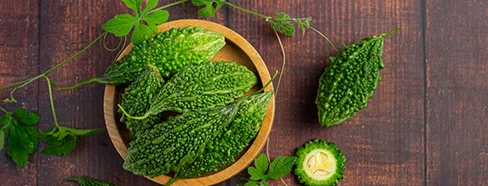
Bitter Melon
Role: Contains compounds like charantin and polypeptide-p, which act like insulin to lower blood sugar and improve glucose tolerance, often used in traditional medicine.
Typical dose: 500-2000mg extract daily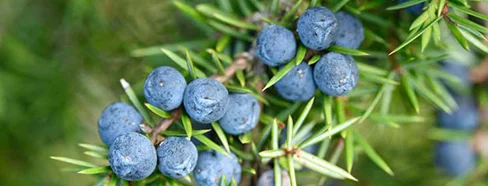
Juniper Berry
Role: Traditionally used for its diuretic properties, research suggests it may also possess anti-diabetic effects by helping to lower blood glucose levels and protect against oxidative stress.
Typical dose: 1-6g dried berries daily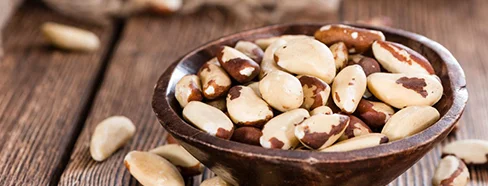
Chromium (from sources like Brazil Nuts)
Role: This essential trace mineral enhances the action of insulin, helping it to work more effectively. It plays a key role in carbohydrate and lipid metabolism.
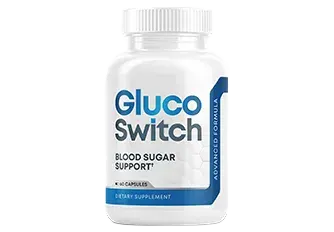
Typical dose: 200-1000mcg dailyThese ingredients, when combined in a scientifically formulated supplement, can offer synergistic benefits to support your blood sugar management journey. It's important to choose high-quality supplements that use clinically studied dosages and pure ingredients. For those seeking comprehensive support beyond diet, considering a well-formulated supplement like GlucoSwitch can be a valuable addition to a healthy lifestyle. You can learn more about finding the best supplement for type 2 diabetes and insulin resistance.

Ready to Take Control? Support Your Blood Sugar Naturally with GlucoSwitch!
While diet and lifestyle are crucial, sometimes your body needs an extra helping hand. GlucoSwitch is a cutting-edge formula designed to complement your efforts, providing targeted support for healthy blood sugar levels and combating insulin resistance.
- ✓ Supports healthy blood sugar levels
- ✓ Enhances insulin sensitivity
- ✓ Reduces sugar cravings naturally
- ✓ Boosts metabolism and energy
- ✓ Made with 100% natural, scientifically-backed ingredients




Hear From Our Satisfied Customers
"I was skeptical at first, but after incorporating GlucoSwitch into my diet, I've noticed a significant difference in my energy levels and blood sugar readings. It's truly been a game-changer for my health!"
"My doctor recommended I focus on diet and exercise, and GlucoSwitch has been the perfect complement. My cravings for sweets have diminished, and I feel more in control of my blood sugar than ever before."
"As someone with insulin resistance, finding natural support was important. GlucoSwitch, combined with the dietary changes from this article, has helped me achieve more stable blood sugar levels. Highly recommend!"
Frequently Asked Questions
What are the best foods for managing Type 2 Diabetes and insulin resistance?
+For managing Type 2 Diabetes and insulin resistance, focus on a diet rich in non-starchy vegetables, lean proteins, healthy fats, and fiber-rich foods like legumes and certain fruits. Examples include leafy greens, broccoli, berries, avocados, nuts, seeds, and fish. These foods have a low glycemic index and help stabilize blood sugar levels.
How do certain foods help lower blood sugar naturally?
+Foods help lower blood sugar naturally through various mechanisms. Fiber-rich foods slow down sugar absorption. Lean proteins and healthy fats help you feel full and stabilize blood sugar. Specific compounds in foods like cinnamon, bitter melon, and certain berries can improve insulin sensitivity or mimic insulin's effects, directly contributing to lower blood glucose.
Can diet alone reverse insulin resistance?
+While diet alone may not 'reverse' insulin resistance in all cases, it is a cornerstone of managing and significantly improving it. A consistent, nutrient-dense diet, combined with regular physical activity and weight management, can dramatically enhance insulin sensitivity and often lead to remission of Type 2 Diabetes for many individuals. It requires sustained effort and commitment.
Are there any foods to avoid if I have high blood sugar?
+Yes, to manage high blood sugar, it's crucial to limit or avoid highly processed foods, sugary drinks, refined carbohydrates (white bread, pasta, pastries), trans fats, and excessive amounts of saturated fats. These foods can cause rapid spikes in blood glucose, contribute to inflammation, and worsen insulin resistance over time.
How can GlucoSwitch complement a blood sugar-friendly diet?
+GlucoSwitch is formulated with natural ingredients known for their potential to support healthy blood sugar levels and combat insulin resistance. When combined with a balanced diet rich in the foods discussed, GlucoSwitch can offer additional support by targeting factors like sugar cravings, metabolism, and pancreatic function, creating a more comprehensive approach to blood sugar management.
How long does it take to see results from dietary changes for blood sugar control?
+The timeline for seeing results from dietary changes varies greatly among individuals, depending on their starting point, consistency, and overall health. Some people may notice improvements in energy levels and blood sugar readings within a few weeks, while significant changes in HbA1c (a long-term marker) typically take 2-3 months or longer. Consistency is key for lasting results.
Related Articles