Plants Have Been Managing Blood Sugar for 3,000 Years — Science Is Finally Catching Up
Long before metformin existed, civilizations across the globe used herbal remedies to manage blood sugar. Indian Ayurvedic practitioners prescribed Gymnema Sylvestre over 2,000 years ago. Chinese herbalists used berberine-rich plants for metabolic ailments. Filipino healers relied on banaba leaf for what they called "sweet urine disease."
Today, modern science has validated what ancient healers discovered empirically. Peer-reviewed clinical trials now confirm that specific plant compounds can reduce fasting glucose by 18-35%, lower HbA1c by up to 2.0%, and improve insulin sensitivity through mechanisms that rival pharmaceutical drugs. This guide covers every clinically studied herb for natural blood sugar relief — what works, what the research says, and how to build an effective herbal stack.
The Science Behind Herbal Blood Sugar Support
Herbal remedies for blood sugar don't work through a single mechanism. The most effective plant compounds target glucose metabolism through multiple biochemical pathways simultaneously.
Understanding these pathways is crucial for building an effective herbal protocol. Blood sugar regulation involves at least six distinct biological processes: glucose absorption in the gut, insulin secretion from the pancreas, insulin sensitivity at the cellular level, hepatic glucose output from the liver, glucose transporter (GLUT4) activity in muscles, and the incretin hormone system. The best herbal strategies address multiple pathways at once, which is why single-herb approaches rarely deliver the dramatic results seen with comprehensive multi-herb formulas.
Modern analytical techniques have isolated the specific bioactive compounds responsible for each herb's effects. Gymnemic acids from gymnema block intestinal sugar absorption. Berberine activates AMPK to enhance cellular glucose uptake. Corosolic acid from banaba stimulates GLUT4 transporters. Cinnamaldehyde from cinnamon enhances insulin receptor sensitivity. When combined intelligently, these compounds create synergistic effects that exceed what any single herb can achieve — the whole becomes greater than the sum of its parts.
💡 Key Takeaway
The most effective approach to natural blood sugar relief combines herbs that work through different metabolic pathways. This multi-pathway strategy is exactly why GlucoSwitch includes 19 plant-based ingredients rather than relying on a single compound.

Gymnema Sylvestre: The "Sugar Destroyer"
If you could choose only one herb for blood sugar support, Gymnema Sylvestre would be the strongest candidate. Its Hindi name "Gurmar" literally translates to "sugar destroyer" — and the clinical data backs up this bold claim.
Gymnema works through a remarkable dual mechanism. First, gymnemic acids are structurally similar to glucose molecules. When you consume gymnema, these acids bind to sugar receptors on your taste buds and in your intestinal lining, physically blocking sugar absorption. Studies show gymnema can reduce intestinal glucose absorption by up to 50%. Place a gymnema extract on your tongue and sweet foods will taste like cardboard for 30-60 minutes.
Second — and more importantly for long-term blood sugar health — gymnema has been shown to regenerate pancreatic beta cells, the insulin-producing cells that become damaged and depleted in prediabetes and type 2 diabetes. A landmark study published in the Journal of Ethnopharmacology found that 400mg of gymnema extract daily for 18 months reduced HbA1c by 1.1% and fasting glucose by 29% in type 2 diabetics, with evidence of improved beta cell function.
A 2017 randomized controlled trial confirmed these findings: gymnema supplementation significantly reduced fasting glucose, postprandial glucose, and HbA1c compared to placebo. Participants also reported markedly reduced sugar cravings, creating a positive feedback loop that further supported blood sugar management.
Berberine: Nature's Answer to Metformin
Berberine has emerged as arguably the most clinically validated natural compound for blood sugar management, with head-to-head trials showing it rivals the world's most prescribed diabetes drug.
A pivotal 2008 study published in Metabolism compared berberine directly against metformin in newly diagnosed type 2 diabetics. The results stunned researchers: berberine reduced HbA1c by 2.0% (vs. metformin's 1.6%), lowered fasting blood glucose by 35%, and decreased HOMA-IR by 44.7%. Berberine also outperformed metformin in improving lipid profiles, reducing triglycerides by 36% and LDL cholesterol by 21%.
The mechanism centers on AMPK activation. AMPK (AMP-activated protein kinase) is your body's cellular energy sensor — when activated, it increases glucose uptake into cells, boosts mitochondrial function, reduces liver glucose production, and enhances insulin sensitivity. Berberine is one of the most potent natural AMPK activators ever identified.
Beyond AMPK, berberine also modulates the gut microbiome in ways that favor metabolic health. Research shows it increases populations of beneficial bacteria that produce short-chain fatty acids, which further improve insulin sensitivity and reduce intestinal inflammation. This gut-metabolism connection explains why berberine's benefits extend far beyond glucose control to include improvements in cholesterol, triglycerides, and body composition.
Bitter Melon: The Tropical Blood Sugar Solution
Bitter melon (Momordica charantia) has been used for blood sugar management across Asia, Africa, and South America for centuries. Modern research reveals it contains at least three bioactive compounds with anti-diabetic properties.
Charantin is a steroidal saponin that has been shown to lower blood glucose more effectively than the oral hypoglycemic drug tolbutamide in some studies. Polypeptide-p mimics insulin's action, earning it the nickname "plant insulin." And vicine has demonstrated significant hypoglycemic effects in clinical models. Together, these compounds make bitter melon one of the most biochemically versatile herbs for blood sugar management.
A systematic review of 10 clinical trials found that bitter melon supplementation significantly reduced fasting blood glucose and HbA1c levels compared to placebo. One notable study in the Journal of Medicinal Food showed that 2,000mg of bitter melon daily reduced fructosamine (a measure of average blood sugar over 2-3 weeks) by 15% in just 4 weeks.
The Complete Herbal Blood Sugar Arsenal
Beyond the big three, several more herbs have demonstrated significant blood sugar benefits in clinical research. Here's the full roster of clinically validated ingredients.
Gymnema Sylvestre
Blocks sugar absorption by up to 50%, regenerates insulin-producing beta cells, and reduces HbA1c by 1.1% in 18-month clinical trials. The cornerstone of any herbal blood sugar protocol.
Clinical Dose: 400-800mg daily
Cinnamon Bark Extract
Enhances insulin receptor sensitivity and GLUT4 activity. Reduces fasting glucose by 18-29% and triglycerides by 23-30%. Also slows gastric emptying to blunt post-meal sugar spikes by up to 34%.
Clinical Dose: 500-2,000mg daily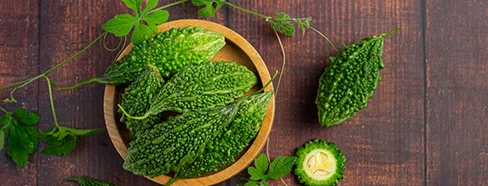
Bitter Melon
Contains charantin, polypeptide-p, and vicine — three bioactive compounds that mimic insulin, lower glucose, and reduce fructosamine by 15% in clinical trials. Used across three continents for diabetes management.
Clinical Dose: 1,000-2,000mg daily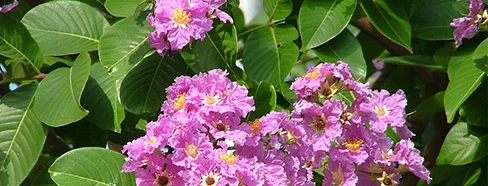
Banaba Leaf
Rich in corosolic acid, which activates GLUT4 glucose transporters independent of insulin. Reduces blood glucose by 10-30% within 2 hours. Particularly effective for post-meal glucose spikes.
Clinical Dose: 32-48mg corosolic acid daily
Chromium
Essential trace mineral that enhances chromodulin, amplifying insulin receptor activity up to 8-fold. Meta-analysis of 25 trials shows reductions in fasting glucose (17.1 mg/dL) and HbA1c (0.6%).
Clinical Dose: 200-1,000mcg daily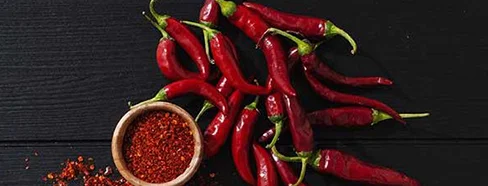
Cayenne Pepper
Contains capsaicin, which increases metabolic rate, improves insulin sensitivity, and stimulates GLP-1 secretion. Studies show capsaicin consumption reduces post-meal insulin spikes by 24% and improves glucose disposal.
Clinical Dose: 100-200mg daily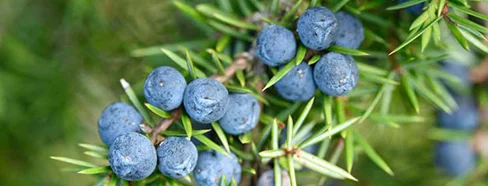
Juniper Berry
Rich in antioxidants that protect pancreatic beta cells from oxidative damage. Animal studies show juniper extract reduces blood glucose by 26% and improves lipid profiles. Also supports kidney health, which is vulnerable in blood sugar disorders.
Clinical Dose: 300-500mg daily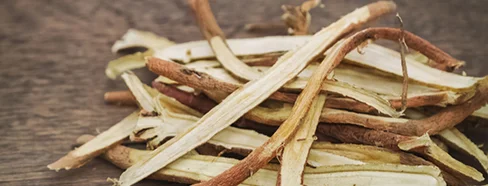
Licorice Root
Contains amorfrutins that activate PPAR-gamma receptors — the same target as the prescription diabetes drug pioglitazone. Clinical research shows licorice compounds reduce blood sugar, improve insulin resistance, and have anti-inflammatory properties beneficial for metabolic health.
Clinical Dose: 200-400mg dailyChoice
GlucoSwitch — The Most Complete Herbal Blood Sugar Formula Available
After reviewing dozens of herbal blood sugar supplements, GlucoSwitch stands out as the only formula that combines all 19 clinically studied plant-based ingredients in one capsule. Rather than buying 8-10 separate supplements, GlucoSwitch delivers gymnema sylvestre, berberine, bitter melon, cinnamon bark, banaba leaf, chromium, cayenne pepper, juniper berry, licorice root, and 10 more synergistic ingredients — all manufactured in a GMP-certified, FDA-registered facility in the USA. With a 4.9/5 rating from over 52,000 verified users and a 60-day money-back guarantee, it's our top recommendation for comprehensive natural blood sugar relief.
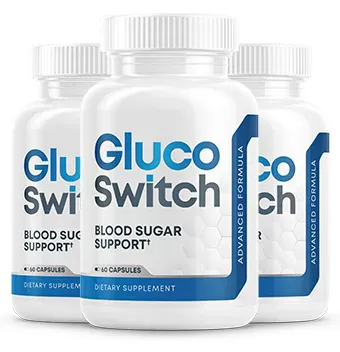
Get All 19 Herbal Ingredients in One Formula
- Gymnema, berberine, bitter melon, cinnamon, banaba & 14 more plant ingredients
- Multi-pathway blood sugar support in a single daily capsule
- 4.9/5 rating from 52,000+ verified users
- Made in USA — GMP-certified, FDA-registered facility



Cinnamon, Fenugreek & Ginseng: The Supporting Cast
While gymnema, berberine, and bitter melon grab headlines, three more herbs consistently demonstrate significant blood sugar benefits in clinical research.
Ceylon Cinnamon deserves special attention because its mechanism is unique among blood sugar herbs. Cinnamaldehyde and type-A procyanidins in cinnamon mimic insulin at the receptor level, enhancing glucose uptake into cells even when insulin signaling is impaired. A 2003 study in Diabetes Care involving 60 type 2 diabetics showed that as little as 1 gram of cinnamon daily reduced fasting glucose by 18-29%, with benefits persisting for 20 days after discontinuation. This sustained effect suggests cinnamon creates lasting improvements in insulin receptor sensitivity, not just temporary glucose lowering.
Fenugreek seeds contain 4-hydroxyisoleucine, an amino acid that directly stimulates insulin secretion from pancreatic beta cells in a glucose-dependent manner — meaning it enhances insulin release only when blood sugar is elevated, reducing the risk of hypoglycemia. A meta-analysis of 10 clinical trials found fenugreek reduced fasting glucose by 17.7 mg/dL and HbA1c by 0.85%. The high soluble fiber content (galactomannan) in fenugreek also slows carbohydrate absorption, reducing post-meal glucose spikes by up to 36%.
American and Asian Ginseng (Panax species) contain ginsenosides that improve insulin sensitivity through multiple pathways: enhanced pancreatic beta cell function, increased GLUT4 translocation, and modulation of gut hormones. A systematic review of 16 randomized controlled trials found ginseng significantly reduced fasting glucose and HOMA-IR scores. Notably, taking ginseng 40 minutes before a meal reduced post-meal glucose by 20% in healthy adults — suggesting benefits even for those without diagnosed blood sugar issues.
Lesser-Known Herbs with Surprising Blood Sugar Benefits
Beyond the well-known herbs, emerging research has identified several lesser-known botanicals with promising blood sugar effects that deserve attention.
Bay Leaf
A 2009 study in the Journal of Clinical Biochemistry and Nutrition found that 1-3 grams of ground bay leaf daily reduced fasting glucose by 21-26%, triglycerides by 34%, and LDL cholesterol by 25% in type 2 diabetics after just 30 days. Bay leaf contains polyphenols that enhance insulin receptor function and may improve pancreatic beta cell efficiency.
Turmeric (Curcumin)
A landmark Thai study followed 240 prediabetic individuals for 9 months. Those taking curcumin had a 0% progression rate to type 2 diabetes, compared to 16.4% in the placebo group. Curcumin reduces inflammation (a key driver of insulin resistance), improves beta cell function, and enhances adiponectin — a hormone that increases insulin sensitivity.
Moringa
Known as the "miracle tree," moringa leaf has shown blood-sugar-lowering effects in multiple clinical trials. A 2014 study found moringa reduced post-meal blood glucose by 21% in diabetic patients. It contains isothiocyanates that improve insulin sensitivity and chlorogenic acid that slows sugar absorption in the digestive tract.
Building an Effective Herbal Blood Sugar Stack
The key to maximizing natural blood sugar relief is combining herbs that work through complementary pathways. Here's how to build a comprehensive herbal stack.
Pathway 1: Block Sugar Absorption
Gymnema Sylvestre blocks sugar receptors in the intestines, reducing glucose absorption by up to 50%. Fenugreek's soluble fiber creates a physical barrier that slows carbohydrate digestion. Together, they ensure less sugar enters your bloodstream in the first place.
Pathway 2: Enhance Insulin Sensitivity
Berberine activates AMPK for insulin-independent glucose uptake. Chromium amplifies insulin receptor signaling through chromodulin. Cinnamon mimics insulin at the cellular level. This triple approach ensures glucose can enter cells efficiently from multiple angles.
Pathway 3: Support Insulin Production
Gymnema regenerates pancreatic beta cells for long-term insulin health. Fenugreek stimulates glucose-dependent insulin release. Bitter melon's polypeptide-p provides insulin-like activity. These herbs ensure your body has adequate insulin to manage blood sugar effectively.
Pathway 4: Reduce Inflammation & Protect
Turmeric and juniper berry provide powerful antioxidant protection for vulnerable beta cells. Licorice root activates PPAR-gamma for anti-inflammatory metabolic support. Cayenne pepper's capsaicin stimulates GLP-1 for improved glucose disposal. This protective layer prevents further metabolic damage.
Building this kind of comprehensive stack from individual supplements would require 8-10 separate bottles, careful dosing, and significant expense. This is precisely why formulas like GlucoSwitch exist — combining all 19 clinically studied ingredients into a single daily capsule at researched dosages, eliminating the guesswork and ensuring synergistic benefits.
Herbal Blood Sugar Safety Guide
While herbal remedies are generally safer than pharmaceutical alternatives, responsible use requires understanding potential interactions and precautions.
Medication Interactions
If you take metformin, sulfonylureas, or insulin, herbs like berberine, gymnema, and bitter melon may enhance their glucose-lowering effects. This can increase hypoglycemia risk. Always inform your healthcare provider about herbal supplements and monitor blood sugar closely when starting a new regimen.
Start Low and Build
Begin with the lowest recommended dose and increase gradually over 2-4 weeks. This allows your body to adjust and helps identify any sensitivities. GlucoSwitch is formulated with clinically studied doses that have been tested for safety in thousands of users.
Quality Matters
Not all herbal supplements are created equal. Look for GMP-certified manufacturing, third-party testing, standardized extracts (not raw herb powder), and transparent ingredient labels. GlucoSwitch meets all these criteria and is manufactured in an FDA-registered facility in the USA.
What Users Say About Natural Blood Sugar Relief
"I've tried gymnema and cinnamon separately before, but the combination in GlucoSwitch is something else entirely. My fasting glucose dropped from 142 to 108 in the first month. The herbal approach feels right for my body."
"As someone who prefers natural remedies, GlucoSwitch was exactly what I was looking for. The combination of bitter melon, berberine, and gymnema has made a real difference. My A1C went from 6.4 to 5.8 in 3 months."
"My naturopath recommended I try a comprehensive herbal formula instead of taking 6 different supplements. GlucoSwitch has everything in one capsule. My blood sugar numbers are the best they've been in years."
Experience Natural Blood Sugar Relief Today
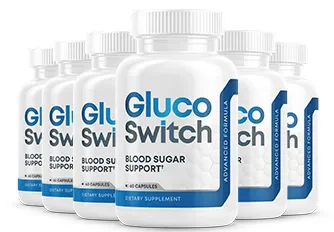
- 19 clinically studied plant-based ingredients in one daily capsule
- Multi-pathway herbal support: absorption, sensitivity, production & protection
- Replaces 8-10 separate supplement bottles
- Best value: 6-bottle supply with free shipping
Frequently Asked Questions
What is the best herb for lowering blood sugar?
+Gymnema Sylvestre is considered the most effective single herb for blood sugar support. Called the "sugar destroyer" in Ayurvedic medicine, clinical studies show it can reduce HbA1c by 1.1% and fasting glucose by 29% over 18 months. However, the most effective approach combines multiple herbs through different pathways, which is why GlucoSwitch includes 19 plant-based ingredients.
Can herbal remedies replace diabetes medication?
+Herbal remedies should not replace prescribed diabetes medication without medical supervision. However, clinical research shows herbs like gymnema, berberine, and bitter melon can provide significant blood sugar support alongside conventional treatment. Always consult your healthcare provider before making changes to your medication regimen.
How long do herbal blood sugar supplements take to work?
+Most herbal blood sugar supplements begin showing effects within 2-4 weeks, with full benefits developing over 8-12 weeks of consistent use. Gymnema sylvestre can reduce sugar taste perception within 30-60 minutes of the first dose, while metabolic improvements in fasting glucose and HbA1c develop gradually over weeks and months.
Is it safe to combine multiple herbal blood sugar supplements?
+Yes, combining complementary herbs is actually the most effective approach, as different herbs work through different metabolic pathways. GlucoSwitch combines 19 synergistic plant-based ingredients for comprehensive multi-pathway blood sugar support. However, start gradually and consult your healthcare provider if you take blood sugar medications.
What is berberine and does it really work for blood sugar?
+Berberine is a yellow alkaloid found in plants like goldenseal and barberry. It works by activating AMPK, the body's metabolic master switch. A 2008 study in Metabolism journal showed berberine reduced fasting glucose by 35% and HbA1c by 2%, rivaling the prescription drug metformin in effectiveness with fewer side effects.
Are there any side effects from herbal blood sugar supplements?
+Most herbal blood sugar supplements are well-tolerated when taken at recommended dosages. Some people may experience mild digestive effects during the first week as the body adjusts. Berberine may cause temporary GI discomfort in some users. Always start with the recommended dose and consult your doctor if you take blood sugar medications.