Struggling to manage your blood sugar levels or improve insulin sensitivity?
Exercise isn't just about weight loss; it's a powerful tool for metabolic health, directly impacting how your body processes glucose and responds to insulin. For individuals navigating Type 2 Diabetes or insulin resistance, understanding and implementing effective exercise strategies is paramount.
This comprehensive guide, authored by Dr. Nancy White and reviewed by Dr. Paul Johnson, M.D., will delve into practical, evidence-based exercise tips designed to help you regain control over your blood sugar and enhance your body's insulin sensitivity.

Understanding Insulin Resistance and the Role of Exercise
Insulin resistance is a condition where your body's cells don't respond well to insulin, leading to higher blood sugar levels. Exercise is a powerful intervention.
Insulin is a vital hormone produced by the pancreas, responsible for allowing glucose (sugar) from the food you eat to enter your cells for energy. When you have insulin resistance, your cells, particularly those in your muscles, fat, and liver, don't respond effectively to insulin. This forces your pancreas to produce more and more insulin to try and get glucose into the cells. Over time, the pancreas can become exhausted, leading to persistently high blood sugar levels and eventually, Type 2 Diabetes.
The good news is that exercise is one of the most effective ways to combat insulin resistance and improve overall metabolic health. When you engage in physical activity, your muscles require energy. They primarily get this energy by taking up glucose from your bloodstream. This process happens independently of insulin to some extent during exercise, providing an immediate reduction in blood sugar levels.
Beyond the immediate effects, regular physical activity has profound long-term benefits. It increases the number and sensitivity of insulin receptors on your cells, making them more receptive to insulin. This means your body can use insulin more efficiently, lowering the demand on your pancreas and helping to normalize blood sugar levels. Furthermore, exercise helps reduce visceral fat, the harmful fat around your organs, which is strongly linked to insulin resistance and inflammation. By building muscle mass, you also create more "storage space" for glucose, further aiding in blood sugar control. Understanding how to reset insulin sensitivity is key, and exercise is a cornerstone of this process.
💡 Key Takeaway
Exercise directly lowers blood sugar by increasing glucose uptake by muscles and significantly improves insulin sensitivity over time, reducing the burden on the pancreas and combating the root cause of Type 2 Diabetes.
The Different Types of Exercise for Blood Sugar Management
To effectively manage blood sugar and insulin resistance, a balanced approach combining various forms of exercise is often most beneficial.
Aerobic Exercise (Cardio)
Aerobic activities are excellent for cardiovascular health and directly impact blood sugar. These exercises, such as brisk walking, jogging, cycling, swimming, or dancing, use large muscle groups rhythmically, making them efficient at burning glucose for fuel. Regular cardio can lower HbA1c levels and improve insulin sensitivity. Aim for at least 150 minutes of moderate-intensity aerobic exercise per week, spread across most days.
Strength Training (Resistance Training)
Building muscle mass is crucial for metabolic health. Muscles are the primary sites for glucose uptake and storage. The more muscle you have, the more efficiently your body can clear glucose from the bloodstream. Strength training, using weights, resistance bands, or your own body weight, improves insulin sensitivity for up to 72 hours post-workout. Incorporate strength training sessions 2-3 times per week, targeting all major muscle groups.
High-Intensity Interval Training (HIIT)
HIIT involves short bursts of intense exercise followed by brief recovery periods. While not suitable for everyone, especially those new to exercise, HIIT can be incredibly effective for improving insulin sensitivity and glucose metabolism in a shorter amount of time. It has been shown to enhance mitochondrial function and glucose transporter activity. Consult your doctor before starting a HIIT program, as it can be demanding on the cardiovascular system.
Flexibility and Balance Exercises
While not directly impacting blood sugar as much as cardio or strength training, flexibility exercises like stretching and yoga, and balance exercises like Tai Chi, are important for overall fitness and injury prevention. They improve range of motion, reduce stiffness, and can decrease stress, which indirectly benefits blood sugar control by lowering cortisol levels. Incorporate these activities 2-3 times per week, or daily as part of your warm-up and cool-down routines.

Practical Tips for Integrating Exercise into Your Routine
Starting and maintaining an exercise routine can be challenging, but with the right strategies, it becomes a sustainable part of your lifestyle.
Start Slow and Progress Gradually: If you're new to exercise, don't try to do too much too soon. Begin with manageable activities like 10-15 minutes of brisk walking after meals. Gradually increase the duration, intensity, and frequency as your fitness improves. This approach minimizes injury risk and helps build sustainable habits. Listen to your body and don't push through pain.
Consistency is Key: Regularity trumps intensity when it comes to blood sugar management. Aim for consistency rather than sporadic, intense workouts. Even short, frequent bouts of activity throughout the day can add up and significantly impact your glucose levels. Try to make exercise a non-negotiable part of your daily or weekly schedule, just like brushing your teeth.
Timing Your Workouts: The timing of your exercise can influence its impact on blood sugar. Many people find that exercising 30-60 minutes after a meal is particularly effective at blunting post-meal blood sugar spikes. However, the most important thing is to find a time that works best for you and your schedule, ensuring you can stick with it.
Monitor Your Blood Sugar: Before, during, and after exercise, especially when you're starting a new routine or increasing intensity, it's crucial to monitor your blood sugar. This helps you understand how different activities affect your body and allows you to prevent hypoglycemia (low blood sugar) or hyperglycemia (high blood sugar). Discuss your exercise plan with your doctor to adjust medications if necessary.
Stay Hydrated: Drinking plenty of water before, during, and after exercise is vital, especially for individuals with diabetes. Dehydration can affect blood sugar levels and exercise performance. Carry a water bottle with you and sip regularly throughout your workout.
Make It Enjoyable: Find activities you genuinely enjoy. Whether it's dancing, hiking, gardening, or playing a sport, making exercise fun increases the likelihood of sticking with it. If you dread your workouts, you're less likely to maintain the habit. Consider exercising with a friend or joining a class for added motivation and social support.
Incorporate Movement Throughout the Day: Beyond structured workouts, look for opportunities to be more active. Take the stairs instead of the elevator, park further away, stand up and stretch every hour, or do some light housework. These "exercise snacks" contribute to overall energy expenditure and blood sugar control. Even small bursts of activity can make a difference, particularly in breaking up long periods of sitting.
Overcoming Common Barriers to Exercise
Lack of Time
Time is a common barrier. Break your workouts into shorter segments. Three 10-minute walks can be as effective as one 30-minute session for many health benefits. Schedule your exercise like an important appointment and prioritize it. Consider morning workouts before other demands arise.
Lack of Motivation
Set realistic, achievable goals. Find an exercise buddy or join a group for accountability and social support. Reward yourself for reaching milestones (non-food rewards!). Focus on how exercise makes you feel better, rather than just on numbers on a scale. Tracking progress, even small improvements, can boost morale.
Physical Limitations or Pain
Consult with a physical therapist or an exercise physiologist who can help design a safe and effective program tailored to your specific needs and limitations. Low-impact activities like swimming, cycling, or chair exercises can be excellent options. Never push through pain; modify or stop the activity if it causes discomfort.
Weather Conditions
Don't let the weather dictate your activity level. Have indoor alternatives ready, such as home workout videos, gym memberships, or even walking laps in a shopping mall. Many online resources offer guided workouts that require minimal equipment, perfect for rainy or cold days.
The Synergistic Approach: Exercise, Diet, and Lifestyle
Managing blood sugar and insulin resistance is not a singular effort; it requires a holistic approach where exercise works in harmony with other lifestyle factors.
While exercise is undeniably powerful, its full potential is realized when combined with a balanced diet. Focusing on whole, unprocessed foods, lean proteins, healthy fats, and complex carbohydrates with plenty of fiber can significantly enhance the benefits of your physical activity. Reducing intake of refined sugars and processed foods helps stabilize blood sugar, making your exercise efforts even more impactful. For more information on how to support your body naturally, consider reading about GlucoSwitch vs. other blood sugar supplements.
Prioritize Sleep: Adequate, quality sleep is crucial for metabolic health. Poor sleep can disrupt hormones that regulate appetite and insulin sensitivity, making blood sugar control more challenging. Aim for 7-9 hours of uninterrupted sleep per night. Establish a consistent sleep schedule and create a relaxing bedtime routine to improve sleep quality.
Manage Stress: Chronic stress elevates cortisol levels, which can lead to increased blood sugar and insulin resistance. Incorporate stress-reduction techniques into your daily life, such as meditation, deep breathing exercises, yoga, spending time in nature, or engaging in hobbies you enjoy. Exercise itself is a fantastic stress reliever, creating a positive feedback loop for your health.
Regular Health Check-ups: Regular visits to your healthcare provider are essential for monitoring your progress, adjusting medications if needed, and addressing any concerns. Your doctor can help you set realistic goals, recommend appropriate exercise types, and ensure your overall treatment plan remains effective and safe. Don't hesitate to ask questions and be an active participant in your health management.
Supplement Support: In addition to diet and exercise, some individuals find that natural supplements can offer additional support for blood sugar management. Products like GlucoSwitch are formulated with ingredients traditionally recognized for their potential to aid in glucose metabolism and insulin sensitivity. However, always consult your physician before adding any new supplement to your regimen to ensure it's appropriate for your specific health needs and won't interact with existing medications.
Natural Ingredients Supporting Blood Sugar Health
GlucoSwitch is formulated with a blend of natural ingredients, each carefully selected for its potential to support healthy blood sugar levels and overall metabolic function.

Banaba Leaves
Role: Known for corosolic acid, which may help lower blood sugar levels by improving glucose uptake by cells and inhibiting gluconeogenesis.
Typical Dose: 1-2mg corosolic acid per day
Bitter Melon
Role: Contains compounds like charantin and polypeptide-p, which mimic insulin's action and help regulate blood glucose levels.
Typical Dose: 500-1000mg extract per day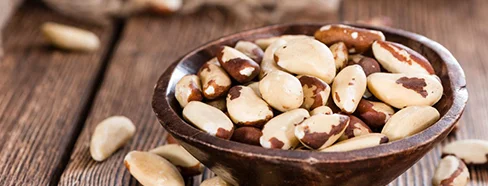
Chromium (from Brazil Nuts)
Role: An essential trace mineral that enhances the action of insulin, helping it to bind more effectively to cells and facilitate glucose uptake.
Typical Dose: 200-1000mcg per day
Cinnamon Bark
Role: May improve insulin sensitivity and lower blood sugar by acting on insulin receptors and slowing carbohydrate digestion.
Typical Dose: 250-1000mg extract per day
Gymnema Sylvestre
Role: Often called the "sugar destroyer," it helps reduce sugar cravings and supports healthy blood sugar by blocking sugar absorption in the intestines.
Typical Dose: 200-600mg extract per day
Juniper Berry
Role: Traditionally used for its potential diuretic and anti-diabetic properties, supporting kidney function and possibly aiding blood sugar regulation.
Typical Dose: 100-200mg extract per day
Take Control of Your Blood Sugar & Energy Levels Today
While exercise is a cornerstone of metabolic health, sometimes your body needs extra support. GlucoSwitch is formulated with a blend of natural ingredients known for their potential to support healthy blood sugar levels and insulin sensitivity, complementing your active lifestyle.
- ✓ Crafted with 100% natural ingredients
- ✓ Supports healthy glucose metabolism
- ✓ Helps boost natural energy levels
- ✓ Promotes enhanced insulin sensitivity
- ✓ Backed by a 60-Day Money-Back Guarantee




Real People, Real Results with GlucoSwitch
"I've been incorporating more walks and strength training, and adding GlucoSwitch has really made a difference. My energy levels are better, and my blood sugar readings are more stable than before. Highly recommend this natural support!"
"Managing my blood sugar has been a journey, and exercise is a big part of it. GlucoSwitch provides that extra peace of mind, knowing I'm supporting my body with natural ingredients. I feel more in control and less sluggish."
"After struggling with insulin resistance for years, I committed to a regular exercise routine and started taking GlucoSwitch. The combination has been fantastic. My doctor even noted improvements in my recent lab tests. Thank you!"
Frequently Asked Questions
How does exercise directly impact blood sugar levels?
+Exercise helps lower blood sugar in several ways. During physical activity, your muscles use glucose for energy, pulling it directly from your bloodstream. This immediate effect can reduce blood sugar levels. Moreover, regular exercise increases insulin sensitivity, meaning your cells become more responsive to insulin, allowing them to absorb glucose more efficiently even when you're not working out. This improved sensitivity is crucial for long-term blood sugar management and reversing insulin resistance.
What types of exercise are most effective for insulin resistance?
+A combination of aerobic (cardio) and strength training is generally considered most effective. Aerobic exercises like brisk walking, jogging, cycling, or swimming improve cardiovascular health and significantly enhance glucose uptake by muscles. Strength training, such as lifting weights or using resistance bands, builds muscle mass. More muscle mass means more places for glucose to be stored and utilized, further improving insulin sensitivity. High-intensity interval training (HIIT) can also be highly beneficial for its potent effects on metabolism in shorter periods.
How often should someone with Type 2 Diabetes exercise?
+Most health organizations recommend at least 150 minutes of moderate-intensity aerobic activity per week, spread across at least 3 days, with no more than 2 consecutive days without exercise. Additionally, strength training should be incorporated 2-3 times per week on non-consecutive days. Consistency is key. Even short bursts of activity throughout the day, like walking for a few minutes after meals, can contribute significantly to better blood sugar control.
Can exercise help reduce my reliance on medication?
+For many individuals with Type 2 Diabetes and insulin resistance, consistent exercise, combined with dietary changes, can significantly improve blood sugar control. This improvement may, in some cases, lead to a reduction in medication dosage or even a decreased need for certain medications, always under the strict guidance of a healthcare professional. It's vital to work closely with your doctor to adjust any medication regimens as your health improves.
What are the risks of exercising with high blood sugar?
+Exercising with very high blood sugar (typically above 250 mg/dL, especially if ketones are present) can be dangerous. It might lead to a further increase in blood sugar and even diabetic ketoacidosis in Type 1 Diabetes, or hyperglycemic hyperosmolar state in Type 2. Always check your blood sugar before exercise. If it's too high, or if you feel unwell, it's best to postpone strenuous activity and consult your doctor. Staying hydrated is also crucial to prevent dehydration.
How does GlucoSwitch complement an exercise regimen?
+GlucoSwitch is designed to support healthy blood sugar levels and insulin sensitivity using a blend of natural ingredients. While exercise is a fundamental component of managing Type 2 Diabetes and insulin resistance, GlucoSwitch can act as a complementary support system. Its ingredients, such as Banaba Leaves and Bitter Melon, are traditionally known to assist in glucose metabolism. When combined with a regular exercise routine and a balanced diet, GlucoSwitch aims to provide additional support for your metabolic health journey.
Related Articles