Is Your Gut Secretly Sabotaging Your Blood Sugar?
For years, the conversation around blood sugar management, Type 2 Diabetes, and insulin resistance has primarily focused on diet, exercise, and genetics. While these factors are undeniably crucial, emerging research is shining a spotlight on an often-overlooked player: your gut microbiome. The complex ecosystem of bacteria, viruses, and fungi residing within your digestive tract holds surprising sway over your metabolic health, influencing everything from nutrient absorption to insulin sensitivity.
Understanding this intricate relationship isn't just academic; it's a game-changer for anyone struggling with fluctuating blood sugar or seeking to prevent metabolic disorders. A healthy gut isn't just about digestion; it's about fostering a balanced internal environment that can profoundly impact your body's ability to manage glucose effectively. Let's delve into the fascinating world where gut health meets blood sugar regulation and explore how nurturing your microbiome could be the missing piece in your wellness journey.

The Gut Microbiome: A Second Brain for Your Metabolism
Your gut is home to trillions of microorganisms, collectively known as the gut microbiome. Far from being mere passengers, these microbes play an active and vital role in numerous bodily functions, extending far beyond digestion. They influence your immune system, mood, nutrient synthesis, and critically, your metabolism and blood sugar regulation.
The composition of your gut flora is incredibly diverse, with thousands of different species, each performing specific tasks. A healthy, balanced microbiome is characterized by a high diversity of beneficial bacteria, which work synergistically to maintain gut integrity and support overall health. However, when this delicate balance is disrupted, a condition known as dysbiosis can occur, paving the way for a cascade of health issues, including challenges with blood sugar control and increased risk of insulin resistance.
This intricate ecosystem communicates constantly with your brain and other organs, forming what scientists now refer to as the "gut-brain axis" and, increasingly, the "gut-pancreas axis." This communication network ensures that signals about nutrient availability, energy expenditure, and inflammatory responses are relayed efficiently, directly impacting how your body processes glucose and responds to insulin.
💡 Key Takeaway
The gut microbiome is a critical, often underestimated, factor in metabolic health. Its balance directly influences blood sugar regulation, insulin sensitivity, and the risk of Type 2 Diabetes, acting as a crucial communication hub within the body.
How Your Gut Influences Blood Sugar: The Mechanisms
The connection between your gut and blood sugar isn't just theoretical; it's backed by several well-understood physiological mechanisms. Here's how your gut microbiome actively participates in glucose metabolism:
Firstly, gut bacteria ferment dietary fibers that your body cannot digest, producing beneficial compounds called short-chain fatty acids (SCFAs), such as butyrate, propionate, and acetate. These SCFAs are vital for gut health, but they also have systemic effects. Butyrate, for instance, strengthens the gut barrier, reducing inflammation, while propionate and acetate can influence glucose and lipid metabolism in the liver and muscle cells. They can also stimulate the release of gut hormones like GLP-1, which enhances insulin secretion and slows gastric emptying, thereby helping to stabilize blood sugar levels.
Secondly, the gut microbiome plays a significant role in modulating inflammation. An unhealthy gut, characterized by dysbiosis and increased gut permeability (often called "leaky gut"), can allow bacterial toxins (like lipopolysaccharides or LPS) to enter the bloodstream. This triggers a systemic inflammatory response, which is a key driver of insulin resistance. Chronic low-grade inflammation interferes with insulin signaling pathways, making your cells less responsive to insulin's action, leading to higher blood glucose levels.
Thirdly, gut microbes influence the absorption of nutrients from your diet. Certain bacteria can alter the speed at which food passes through your digestive tract and how efficiently carbohydrates are broken down and absorbed. This can directly impact the post-meal glucose spike. An imbalanced microbiome might lead to faster carbohydrate digestion and absorption, contributing to more rapid and pronounced blood sugar fluctuations.
Finally, there's the direct impact on gut hormone secretion. Beyond GLP-1, other hormones like GIP and peptide YY (PYY) are influenced by gut microbiota. These hormones regulate appetite, satiety, and glucose homeostasis. A healthy microbiome promotes optimal release of these hormones, supporting stable blood sugar and weight management, both critical factors in preventing and managing Type 2 Diabetes and insulin resistance.
The Vicious Cycle of Dysbiosis and Insulin Resistance
When the delicate balance of your gut microbiome is disrupted – a state known as dysbiosis – it can initiate a detrimental cycle that exacerbates insulin resistance and makes blood sugar control even more challenging. This imbalance often involves a reduction in beneficial bacteria and an overgrowth of potentially harmful ones.
Increased Gut Permeability (Leaky Gut)
Dysbiosis can weaken the tight junctions between intestinal cells, leading to a "leaky gut." This allows undigested food particles, toxins, and bacterial components to escape into the bloodstream. The body's immune system perceives these as threats, triggering chronic low-grade inflammation throughout the body.
Systemic Inflammation
Chronic inflammation is a significant contributor to insulin resistance. Inflammatory markers interfere with insulin signaling, preventing cells from efficiently absorbing glucose from the blood. This leaves more sugar circulating, forcing the pancreas to produce even more insulin, a hallmark of insulin resistance.
Altered Nutrient Metabolism
An imbalanced gut microbiome can change how your body metabolizes carbohydrates and fats. Certain bacterial profiles are associated with increased energy harvest from food, leading to weight gain, and altered production of SCFAs, which can further impair glucose regulation and insulin sensitivity.
Impact on Gut Hormones
Dysbiosis can also negatively impact the secretion of crucial gut hormones like GLP-1 and PYY, which are vital for appetite regulation and insulin release. When these hormones are out of balance, it can lead to increased food cravings, reduced satiety, and impaired glucose management, further complicating blood sugar control.

Dietary Strategies for a Healthier Gut and Stable Blood Sugar
Given the profound link between gut health and blood sugar, dietary interventions that target both are incredibly powerful. Focusing on nutrient-dense, whole foods can help cultivate a diverse and thriving gut microbiome while simultaneously improving insulin sensitivity.
One of the most impactful strategies is to significantly increase your intake of fiber-rich foods. Dietary fiber, particularly soluble fiber, acts as a prebiotic, feeding beneficial gut bacteria. Excellent sources include fruits (berries, apples), vegetables (broccoli, spinach, carrots), legumes (beans, lentils), and whole grains (oats, quinoa). These foods not only nourish your gut but also slow down glucose absorption, preventing sharp blood sugar spikes. To learn more about foods that can help, read our article on best-foods-to-lower-blood-sugar.html.
Incorporating fermented foods into your diet is another excellent approach. Foods like yogurt (with live cultures), kefir, sauerkraut, kimchi, and kombucha contain beneficial probiotics that directly replenish and diversify your gut microbiome. These probiotics can help strengthen the gut barrier, reduce inflammation, and even produce SCFAs that support metabolic health.
Conversely, it's crucial to minimize foods that harm your gut and spike blood sugar. This includes highly processed foods, refined sugars, artificial sweeteners, and excessive amounts of unhealthy fats. These items can promote the growth of detrimental bacteria, increase gut permeability, and directly contribute to insulin resistance and chronic inflammation. Focusing on whole, unprocessed foods is the cornerstone of both gut health and blood sugar management.
Additionally, consider incorporating foods rich in specific micronutrients known to support glucose metabolism, such as chromium (found in broccoli, green beans, Brazil nuts) and magnesium (leafy greens, nuts, seeds). These minerals play vital roles in insulin signaling and glucose utilization, indirectly supporting the benefits of a healthy gut.
Beyond Diet: Lifestyle Factors for Gut and Blood Sugar Balance
While diet is paramount, other lifestyle factors significantly impact the delicate balance of your gut microbiome and, consequently, your blood sugar levels. Addressing these areas can provide a holistic approach to metabolic health.
Manage Stress
Chronic stress is a known disruptor of gut health. It can alter gut motility, increase permeability, and shift the balance of your microbiome, potentially leading to dysbiosis. High stress levels also trigger the release of hormones like cortisol, which can directly elevate blood sugar. Incorporating stress-reducing practices such as meditation, yoga, deep breathing, or spending time in nature can have profound positive effects on both your gut and blood sugar. Learn more about this connection in our article on stress-and-blood-sugar-connection.html.
Prioritize Quality Sleep
Sleep deprivation and poor sleep quality significantly impact metabolic health. Lack of sleep can disrupt circadian rhythms, which in turn affect gut microbiota composition and function. It also impairs insulin sensitivity and glucose tolerance, leading to higher blood sugar levels. Aim for 7-9 hours of quality sleep per night to support optimal gut health and metabolic regulation. Establishing a consistent sleep schedule and creating a conducive sleep environment are key.
Regular Physical Activity
Exercise is a powerful tool for improving both gut health and blood sugar control. Regular physical activity can increase the diversity and beneficial bacteria in your gut, while also enhancing insulin sensitivity and promoting glucose uptake by muscle cells. Even moderate exercise, such as brisk walking for 30 minutes most days of the week, can make a significant difference. Find an activity you enjoy and make it a consistent part of your routine.
Limit Antibiotic Use
While antibiotics are life-saving medications, their overuse can decimate beneficial gut bacteria along with harmful ones, leading to significant dysbiosis. When possible, discuss alternatives with your doctor, and if antibiotics are necessary, consider taking a high-quality probiotic supplement during and after the course to help restore gut flora. Always consult a healthcare professional for guidance on medication.
Natural Support for Gut and Blood Sugar Health: The GlucoSwitch Approach
While diet and lifestyle form the foundation of gut and blood sugar health, targeted natural ingredients can offer additional support, especially when dealing with the complexities of Type 2 Diabetes and insulin resistance. GlucoSwitch is formulated with a blend of natural ingredients known for their historical and scientific backing in supporting healthy blood sugar levels and overall metabolic function, many of which also indirectly benefit gut health by reducing inflammation or supporting healthy glucose metabolism.

Banaba Leaves
Role: Known for its active compound, corosolic acid, Banaba leaf is widely studied for its ability to help lower blood glucose levels. It supports glucose uptake by cells and may inhibit alpha-glucosidase, an enzyme that breaks down carbohydrates, thereby reducing post-meal sugar spikes. By helping cells utilize glucose more efficiently, it reduces the burden on the pancreas and can indirectly support a healthier gut environment by preventing sugar overload.
50-100 mg extract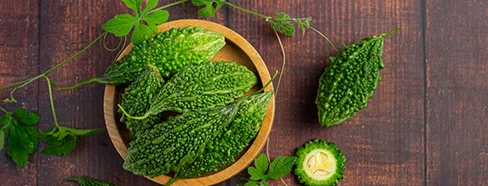
Bitter Melon
Role: Often called "plant insulin," Bitter Melon contains compounds like charantin, vicine, and polypeptide-p, which mimic insulin's action and help increase glucose uptake into cells. It can also suppress glucose production in the liver and enhance insulin secretion. Its traditional use in managing diabetes highlights its potent role in blood sugar regulation, which in turn can reduce inflammatory responses that impact gut health.
500-2000 mg extract
Cinnamon Bark
Role: Cinnamon is renowned for its ability to improve insulin sensitivity, allowing cells to respond more effectively to insulin. It can also slow the emptying of the stomach, which helps to reduce sharp rises in blood sugar after meals. Beyond blood sugar, cinnamon has anti-inflammatory properties that can benefit overall gut health by reducing systemic inflammation contributing to dysbiosis.
250-1000 mg extract
Gymnema Sylvestre
Role: This herb, whose name translates to "sugar destroyer" in Hindi, is traditionally used to support healthy blood sugar. It can help reduce sugar cravings by blocking sugar receptors on the tongue and may also reduce the absorption of sugar from the intestines. By moderating sugar intake and absorption, Gymnema supports a less inflammatory internal environment, which is beneficial for the gut.
100-400 mg extract
Juniper Berry
Role: Traditionally used for various ailments, Juniper Berry possesses antioxidant and anti-inflammatory properties. Some research suggests it may help support healthy blood sugar levels and protect pancreatic beta cells. Its anti-inflammatory effects can indirectly contribute to a healthier gut environment by reducing the overall inflammatory load on the digestive system.
100-200 mg extract
Licorice Root
Role: Licorice root has a long history in traditional medicine for its anti-inflammatory and gut-healing properties. It can help soothe the digestive tract and potentially support healthy blood sugar by influencing certain enzyme activities. Its ability to combat inflammation is particularly beneficial for gut barrier integrity, thereby supporting metabolic health.
50-200 mg extract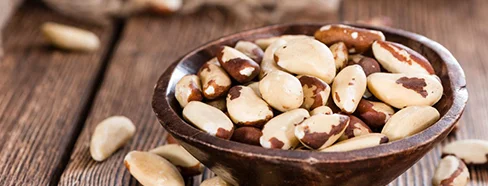
Chromium (from Brazil Nuts)
Role: Chromium is an essential trace mineral that plays a crucial role in carbohydrate and lipid metabolism. It enhances the action of insulin, helping it to bind more effectively to cells, thereby improving glucose uptake. This can lead to better blood sugar control and reduced insulin resistance. Adequate chromium levels are vital for a well-functioning metabolic system, supporting the body's ability to process sugars efficiently.
200-1000 mcg
Cayenne Pepper
Role: The active compound in cayenne pepper, capsaicin, has been shown to improve glucose metabolism and insulin sensitivity in some studies. It may also help increase thermogenesis, supporting healthy weight management, which is closely linked to blood sugar control. Additionally, capsaicin can have positive effects on gut microbiota composition, contributing to a healthier digestive environment.
30-120 mg extractThese ingredients, carefully selected and combined in GlucoSwitch, aim to provide comprehensive support for individuals looking to naturally manage their blood sugar and improve metabolic health, recognizing the critical role of a balanced internal system. For more information on effective supplements, you might find our article on best-supplement-for-type-2-diabetes-insulin-resistance.html insightful.

Take Control of Your Blood Sugar Today with GlucoSwitch
You've learned about the profound connection between your gut health and blood sugar. Now, it's time to take action. GlucoSwitch offers a carefully crafted blend of natural ingredients designed to support healthy blood sugar levels, enhance insulin sensitivity, and promote overall metabolic wellness. Don't let fluctuating blood sugar dictate your life any longer.
- ✓ Supports Healthy Blood Sugar Levels
- ✓ Enhances Insulin Sensitivity
- ✓ Boosts Natural Energy
- ✓ Formulated with 100% Natural Ingredients
- ✓ Made in an FDA-Registered, GMP-Certified Facility




What Our Customers Are Saying
"I was skeptical at first, but GlucoSwitch has made a noticeable difference in my energy levels and how I feel throughout the day. My blood sugar readings have been more consistent, and I feel much more in control. It's truly been a game-changer for my metabolic health."
"After struggling with my blood sugar for years, I decided to try GlucoSwitch. I'm so glad I did! I've felt a significant improvement in my overall well-being, and my doctor even commented on the positive changes. This supplement, combined with diet changes, has been incredibly effective."
"My energy used to crash mid-afternoon, and I always felt sluggish. Since starting GlucoSwitch, I have sustained energy and feel more vibrant. It's helped me focus on my gut health too, and I've noticed less digestive discomfort. Highly recommend for anyone looking for natural support."
Frequently Asked Questions
How does the gut microbiome influence blood sugar levels?
+The gut microbiome impacts blood sugar through several mechanisms, including the production of short-chain fatty acids, regulation of gut hormone release, modulation of inflammation, and influence on gut barrier integrity. An imbalance (dysbiosis) can impair insulin sensitivity and glucose metabolism, leading to higher blood sugar.
What is "gut dysbiosis" and how does it relate to insulin resistance?
+Gut dysbiosis refers to an imbalance in the types and quantities of microorganisms in the gut. When harmful bacteria outnumber beneficial ones, it can lead to increased gut permeability, systemic inflammation, and altered nutrient absorption, all of which contribute to insulin resistance and impaired blood sugar control.
What dietary changes can improve both gut health and blood sugar?
+Prioritizing a diet rich in fiber from fruits, vegetables, and whole grains, incorporating fermented foods (like yogurt, kimchi), and reducing processed foods, refined sugars, and unhealthy fats can significantly improve gut microbiome diversity and insulin sensitivity. Prebiotic and probiotic-rich foods are key.
Can stress and sleep affect gut health and, subsequently, blood sugar?
+Absolutely. Chronic stress can negatively alter gut microbiota composition and increase gut permeability, affecting nutrient absorption and inflammation. Poor sleep similarly disrupts metabolic processes and hormone balance, including insulin and cortisol, further impacting both gut health and blood sugar regulation.
Are there natural ingredients known to support both gut health and blood sugar?
+Yes, several natural ingredients have demonstrated benefits for both. For example, Cinnamon Bark can improve insulin sensitivity, while Banaba Leaf aids glucose uptake. Bitter Melon supports healthy blood sugar, and ingredients like Licorice Root and Juniper Berry have traditional uses in metabolic health, often with gut-supportive properties.
How long does it take to see improvements in blood sugar by addressing gut health?
+The timeline for seeing improvements can vary greatly depending on individual factors, the severity of existing conditions, and consistency of interventions. While some individuals may notice changes within a few weeks, significant and sustained improvements in gut health and blood sugar regulation typically require consistent effort over several months (e.g., 2-3 months or more).
Related Articles