Is hidden inflammation sabotaging your blood sugar control?
For decades, the battle against Type 2 Diabetes and insulin resistance has primarily focused on diet, exercise, and genetics. While these factors are undeniably crucial, a growing body of scientific evidence is shining a spotlight on another insidious culprit: chronic inflammation. Often silent and unnoticed, persistent inflammation can disrupt your body's delicate metabolic balance, paving a direct path to impaired insulin function and elevated blood sugar levels.
Understanding this intricate connection isn't just academic; it's a vital step towards effective prevention and management. This article will delve into the mechanisms by which chronic inflammation fuels insulin resistance, exploring how the body's protective response can ironically become a destructive force, leading to a vicious cycle that perpetuates metabolic dysfunction.

The Basics: What Are Inflammation and Insulin Resistance?
Before we dive into their intertwined relationship, let's establish a clear understanding of what inflammation and insulin resistance truly are, and how they function independently within the body.
Inflammation is your body's natural defense mechanism, a vital process that protects you from infection, injury, and disease. When you cut your finger, for example, your immune system dispatches an army of white blood cells to the site, causing redness, swelling, heat, and pain – the classic signs of acute inflammation. This is a rapid, localized, and usually self-limiting response designed to heal and repair. Once the threat is neutralized, the inflammation subsides, and your body returns to normal. This type of inflammation is not only necessary but beneficial for survival.
However, problems arise when inflammation becomes chronic. Chronic inflammation is a prolonged, low-grade inflammatory response that persists for weeks, months, or even years. Unlike acute inflammation, it doesn't always present with obvious symptoms and can silently smolder within your body, damaging tissues and organs over time. This persistent state is often triggered by factors like poor diet, sedentary lifestyle, chronic stress, environmental toxins, and certain medical conditions. It's this chronic, systemic inflammation that is a major contributor to a host of chronic diseases, including cardiovascular disease, autoimmune disorders, certain cancers, and significantly, metabolic dysfunction.
On the other hand, insulin resistance is a metabolic condition where your body's cells (particularly those in muscle, fat, and liver) become less responsive to the effects of insulin. Insulin, a hormone produced by the pancreas, acts like a key that unlocks cells to allow glucose (sugar) from your bloodstream to enter and be used for energy. When cells become resistant, they don't respond efficiently to insulin's signal. As a result, glucose accumulates in the blood, leading to elevated blood sugar levels. In an attempt to compensate, the pancreas works harder, producing even more insulin. This excessive insulin production (hyperinsulinemia) can initially keep blood sugar levels in check, but over time, the pancreatic beta cells can become exhausted and damaged, eventually leading to a decline in insulin production and the onset of Type 2 Diabetes.
Insulin resistance is a hallmark of prediabetes and Type 2 Diabetes, but it can also contribute to other conditions such as polycystic ovary syndrome (PCOS), non-alcoholic fatty liver disease (NAFLD), and cardiovascular issues. It's a foundational problem in metabolic health, and understanding its root causes is paramount to effective intervention.
💡 Key Takeaway
Acute inflammation is a healthy, protective response, but chronic, low-grade inflammation is a destructive force linked to numerous diseases. Insulin resistance occurs when cells ignore insulin's signal, leading to high blood sugar and overworking the pancreas, a critical step towards Type 2 Diabetes.
The Direct Link: How Inflammation Disrupts Insulin Signaling
Now that we understand the individual concepts, let's explore the intricate biochemical dance that connects chronic inflammation directly to the development and progression of insulin resistance.
The link between inflammation and insulin resistance is not merely correlational; it is a causal relationship supported by extensive research. The primary mechanism involves inflammatory signaling molecules, particularly cytokines, which are small proteins that act as messengers in the immune system. When chronic inflammation is present, immune cells, especially macrophages in adipose (fat) tissue, release a barrage of these pro-inflammatory cytokines, such as Tumor Necrosis Factor-alpha (TNF-α), Interleukin-6 (IL-6), and C-reactive protein (CRP).
These cytokines directly interfere with the normal functioning of insulin receptors on cell surfaces and the downstream signaling pathways within the cells. Imagine insulin trying to unlock a door, but inflammatory cytokines are jamming the lock. Specifically, TNF-α can activate a molecule called JNK (c-Jun N-terminal kinase), which then phosphorylates (adds a phosphate group to) a critical protein in the insulin signaling cascade known as IRS-1 (Insulin Receptor Substrate-1). This phosphorylation occurs at a specific serine residue, which renders IRS-1 dysfunctional and unable to properly transmit the insulin signal. The result? Even if there's plenty of insulin circulating, the cells can't "hear" the message to absorb glucose, leading to insulin resistance.
Furthermore, chronic inflammation can lead to oxidative stress, an imbalance between free radicals and antioxidants in the body. Oxidative stress can damage cells, including pancreatic beta cells responsible for producing insulin, and further impair insulin signaling. It creates a toxic environment that makes cells even less receptive to insulin's effects. The combination of direct cytokine interference and oxidative damage creates a powerful one-two punch against metabolic health.
The adipose tissue, particularly visceral fat (fat around organs), plays a crucial role in this inflammatory cascade. Obese individuals often have expanded fat cells that become stressed and dysfunctional, attracting immune cells like macrophages. These macrophages then become activated and release a continuous stream of pro-inflammatory cytokines, creating a state of chronic low-grade systemic inflammation. This inflammation originating from fat tissue can then travel throughout the body, affecting insulin-sensitive tissues like the liver and muscles, exacerbating insulin resistance on a systemic level.
This complex interplay highlights that insulin resistance is not just a problem of glucose metabolism; it's deeply rooted in the body's inflammatory state. Addressing chronic inflammation is therefore a critical, often overlooked, strategy in preventing and managing Type 2 Diabetes. For more information on managing blood sugar, you might find our article on diabetic-friendly meal plans helpful.
💡 Key Takeaway
Pro-inflammatory cytokines like TNF-α and IL-6 directly disrupt insulin signaling pathways, making cells resistant to insulin. This process, often fueled by dysfunctional fat tissue and oxidative stress, establishes a strong causal link between chronic inflammation and insulin resistance, leading to elevated blood sugar.
Sources of Chronic Inflammation Fueling Insulin Resistance
Understanding the culprits behind chronic inflammation is key to mitigating its impact on insulin resistance. Various lifestyle and environmental factors can trigger and sustain this destructive inflammatory state.
Poor Dietary Choices
A diet high in refined sugars, unhealthy trans fats, saturated fats, and processed foods is a major driver of chronic inflammation. These foods can trigger inflammatory responses in the gut, promote oxidative stress, and contribute to visceral fat accumulation, all of which fuel systemic inflammation and worsen insulin resistance.
Sedentary Lifestyle
Lack of regular physical activity contributes to inflammation. Exercise, particularly moderate intensity, has anti-inflammatory effects, helping to reduce circulating inflammatory markers. A sedentary lifestyle, conversely, can lead to increased fat mass and a pro-inflammatory state.
Obesity and Excess Adipose Tissue
Especially visceral fat, is highly metabolically active and acts as an endocrine organ, releasing a continuous stream of pro-inflammatory cytokines. These cytokines directly interfere with insulin signaling in other tissues, making obesity a potent driver of both inflammation and insulin resistance.
Chronic Stress
Persistent psychological stress elevates cortisol levels, which, over time, can lead to increased systemic inflammation. High cortisol also directly impairs insulin sensitivity, creating a double burden on metabolic health.
Poor Sleep Quality
Insufficient or disrupted sleep (less than 7-8 hours) can increase inflammatory markers and negatively impact glucose metabolism and insulin sensitivity. Sleep deprivation is a powerful stressor that can rapidly induce insulin resistance.
Gut Dysbiosis
An imbalance in the gut microbiome, often caused by poor diet or antibiotic use, can lead to a "leaky gut." This allows bacterial toxins (endotoxins) to enter the bloodstream, triggering systemic inflammation and contributing to insulin resistance.

The Vicious Cycle: Inflammation, Insulin Resistance, and Weight Gain
The relationship between inflammation, insulin resistance, and weight gain is a complex, self-perpetuating cycle that can be incredibly challenging to break. Understanding this cycle is crucial for effective intervention.
It often begins with factors like poor diet and a sedentary lifestyle, which contribute to the accumulation of excess body fat, particularly visceral fat. As discussed, this adipose tissue becomes a hub of chronic inflammation, releasing pro-inflammatory cytokines. These cytokines then directly impair insulin signaling, leading to insulin resistance in muscle, liver, and other tissues. When cells become resistant to insulin, they struggle to absorb glucose from the bloodstream, causing blood sugar levels to rise. In response, the pancreas produces even more insulin to try and force glucose into the cells – a state known as hyperinsulinemia.
Here's where the cycle deepens: high levels of insulin are a powerful signal for the body to store fat, not burn it. This means that even if you're trying to lose weight, elevated insulin levels make it incredibly difficult, promoting further weight gain and fat accumulation. More fat means more inflammation, which in turn worsens insulin resistance, leading to even higher insulin levels, and so on. This creates a relentless positive feedback loop where each factor exacerbates the others:
- Inflammation → Insulin Resistance: Inflammatory cytokines directly interfere with insulin receptors.
- Insulin Resistance → Hyperinsulinemia: Pancreas overproduces insulin to compensate for resistant cells.
- Hyperinsulinemia → Weight Gain: High insulin promotes fat storage and inhibits fat burning.
- Weight Gain → Increased Inflammation: More fat (especially visceral) releases more inflammatory cytokines.
This vicious cycle not only makes weight loss incredibly difficult but also accelerates the progression towards Type 2 Diabetes. Over time, the constant demand on the pancreas can lead to beta cell exhaustion and failure, ultimately resulting in a decline in insulin production and overt diabetes. Breaking this cycle requires a multi-pronged approach that targets not just blood sugar, but also the underlying inflammation and mechanisms of fat storage. It's not simply about reducing calories; it's about addressing the metabolic and inflammatory signals that drive this harmful feedback loop. For a deeper dive into how supplements compare, check out GlucoSwitch vs. Other Blood Sugar Supplements.
💡 Key Takeaway
Chronic inflammation triggers insulin resistance, leading to hyperinsulinemia. High insulin levels then promote fat storage and weight gain, which in turn fuels more inflammation. This self-perpetuating cycle creates a significant barrier to metabolic health and accelerates the path to Type 2 Diabetes.
Strategies to Combat Inflammation and Improve Insulin Sensitivity
Breaking the inflammatory cycle and enhancing insulin sensitivity requires a holistic approach that addresses various aspects of your lifestyle. Here are key strategies to implement:
Adopt an Anti-Inflammatory Diet
Focus on whole, unprocessed foods. Emphasize fruits, vegetables, lean proteins, whole grains, and healthy fats (like olive oil, avocados, nuts, and seeds). Limit refined sugars, processed foods, trans fats, and excessive red meat. The Mediterranean diet is an excellent example of an anti-inflammatory eating pattern.
Regular Physical Activity
Engage in a combination of aerobic exercise (like brisk walking, jogging, swimming) and strength training. Exercise reduces inflammatory markers, improves glucose uptake by muscles, and enhances insulin sensitivity. Aim for at least 150 minutes of moderate-intensity activity per week.
Prioritize Quality Sleep
Aim for 7-9 hours of uninterrupted sleep per night. Establish a consistent sleep schedule, create a relaxing bedtime routine, and optimize your sleep environment to promote restorative sleep. Good sleep helps regulate hormones, reduces inflammation, and improves insulin sensitivity.
Manage Stress Effectively
Chronic stress elevates cortisol and inflammatory responses. Incorporate stress-reduction techniques such as meditation, yoga, deep breathing exercises, spending time in nature, or engaging in hobbies you enjoy. Finding healthy outlets for stress is crucial for metabolic health.
Optimize Gut Health
Support a healthy gut microbiome by consuming fermented foods (yogurt, kefir, sauerkraut) and plenty of fiber-rich plant foods. Consider probiotic supplements if necessary. A balanced gut flora reduces gut permeability and systemic inflammation.
Consider Targeted Supplementation
Certain natural compounds, vitamins, and minerals have demonstrated anti-inflammatory and insulin-sensitizing properties. These can include omega-3 fatty acids, curcumin, alpha-lipoic acid, chromium, and specific botanical extracts. Discuss appropriate supplementation with your healthcare provider.
Natural Support: How Key Ingredients Can Aid Blood Sugar and Inflammation
While lifestyle changes are paramount, certain natural ingredients have been scientifically studied for their potential to support healthy blood sugar levels and modulate inflammatory responses. These can offer complementary support in your journey towards better metabolic health.

Banaba Leaves
Role: Known for their active compound, corosolic acid, Banaba leaves are often used to support healthy blood glucose levels. They are believed to enhance glucose uptake by cells and may possess antioxidant properties that can help reduce oxidative stress, indirectly impacting inflammation.
Typically 1-10mg of extract standardized to corosolic acid.
Bitter Melon
Role: A traditional medicine used for centuries, Bitter Melon contains compounds like charantin and polypeptide-p, which mimic insulin and help lower blood glucose. It also exhibits anti-inflammatory effects by modulating inflammatory pathways, making it a dual-action ingredient for metabolic health.
Often 500-2000mg of extract per day.
Cinnamon Bark
Role: Cinnamon is widely recognized for its insulin-mimetic properties, improving glucose uptake and enhancing insulin sensitivity. It also boasts powerful antioxidant and anti-inflammatory compounds that can help reduce systemic inflammation, making it highly beneficial for blood sugar management.
Usually 250-1000mg of extract or 1-6g of powder per day.
Gymnema Sylvestre
Role: This herb, often called "sugar destroyer," helps reduce sugar cravings and supports healthy blood sugar by potentially blocking sugar absorption in the intestines and promoting insulin secretion. Its anti-inflammatory properties may also contribute to overall metabolic balance.
Typically 200-500mg of extract, 2-3 times daily.
Juniper Berry
Role: Juniper berries are rich in antioxidants and have been traditionally used for their potential diuretic and anti-inflammatory properties. Research suggests they may help support healthy blood sugar levels and offer protective effects against oxidative stress.
Often 1-2g of dried berries or 100-200mg of extract.
Licorice Root
Role: Licorice root contains compounds that may help regulate blood sugar, reduce inflammation, and provide antioxidant benefits. It's often included in blends for its overall supportive role in metabolic and digestive health, though it should be used cautiously due to potential side effects with high doses.
Typically 250-500mg of deglycyrrhizinated licorice (DGL) extract.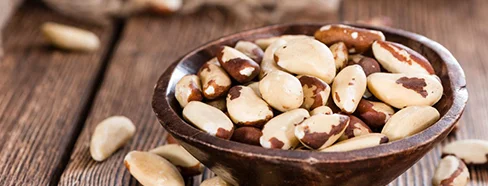
Chromium (from Brazil Nuts)
Role: Chromium is an essential trace mineral that plays a vital role in carbohydrate and lipid metabolism. It enhances the action of insulin, helping it to bind more effectively to cells, thereby improving glucose uptake and insulin sensitivity. Brazil nuts are a natural source.
Usually 200-1000mcg per day.
Cayenne Pepper
Role: The capsaicin in cayenne pepper is known for its thermogenic properties, supporting metabolism and fat burning. It also possesses anti-inflammatory effects and may help improve insulin sensitivity, contributing to better blood sugar control and weight management.
Often 30-120mg of capsaicinoids, or 500-1000mg of powder.
Ready to Reclaim Your Metabolic Health?
If you're looking for a natural, comprehensive approach to support healthy blood sugar and combat the inflammatory factors contributing to insulin resistance, GlucoSwitch offers a carefully selected blend of ingredients known for their roles in metabolic health.
- Formulated with 19 potent natural ingredients
- Designed to support healthy blood sugar levels
- Aids in reducing oxidative stress and inflammatory responses
- Promotes a balanced metabolism and energy production
- Backed by a 60-day 100% money-back guarantee




Hear From Our Satisfied Customers
"I've struggled with my blood sugar for years, and nothing seemed to make a lasting difference. Since starting GlucoSwitch, I feel more energetic, and my numbers are looking better than ever. It's truly been a game-changer for my health!"
"My doctor recommended I look into natural ways to support my metabolism, and I found GlucoSwitch. I was skeptical at first, but after a few months, I can honestly say I feel less sluggish and more in control. Highly recommend!"
"The impact of GlucoSwitch on my daily life has been incredible. My cravings have reduced, and I feel a noticeable improvement in my overall well-being. It's empowering to know I'm supporting my body naturally."
Frequently Asked Questions
What is the primary link between inflammation and insulin resistance?
+Chronic low-grade inflammation releases signaling molecules (cytokines) that directly interfere with insulin signaling pathways in cells, making them less responsive to insulin. This leads to higher blood glucose levels and increased insulin production, eventually resulting in insulin resistance.
Can diet significantly impact inflammation and insulin resistance?
+Absolutely. Diets high in refined sugars, processed foods, and unhealthy fats can promote chronic inflammation, while diets rich in whole foods, fruits, vegetables, lean proteins, and healthy fats (like the Mediterranean diet) can significantly reduce inflammation and improve insulin sensitivity.
Is exercise beneficial for reducing inflammation and improving insulin sensitivity?
+Yes, regular physical activity is a powerful tool. Exercise helps reduce systemic inflammation, improves glucose uptake by muscle cells independent of insulin, and enhances insulin sensitivity. Both aerobic and strength training are effective.
How does sleep deprivation contribute to this cycle?
+Lack of adequate sleep can elevate stress hormones like cortisol, increase inflammatory markers, and impair glucose metabolism. This can worsen insulin resistance and create a vicious cycle that further disrupts blood sugar regulation.
What role do natural supplements play in managing inflammation and insulin resistance?
+Certain natural ingredients found in supplements like GlucoSwitch are studied for their potential to support healthy blood sugar and reduce inflammation. These can include herbs, vitamins, and minerals known to enhance insulin sensitivity, provide antioxidant support, and modulate inflammatory responses, offering a complementary approach to lifestyle changes.
How quickly can I expect to see improvements by addressing inflammation and insulin resistance?
+The timeline for improvement varies greatly depending on individual factors, the severity of insulin resistance, and the consistency of lifestyle changes. Some people may notice changes in energy levels and blood sugar readings within a few weeks, while significant metabolic improvements often take several months of dedicated effort. Consistency is key.
Related Articles