Struggling to manage your blood sugar levels and looking for natural, effective strategies?
Intermittent fasting (IF) has emerged as a powerful tool in the quest for improved metabolic health and blood sugar control. Far from being just another diet, IF is an eating pattern that cycles between periods of voluntary fasting and eating, offering a structured approach to nutrition.
For millions worldwide, especially those grappling with Type 2 Diabetes and insulin resistance, intermittent fasting presents a compelling, evidence-backed strategy to support the body's natural ability to regulate glucose and enhance overall well-being.

Understanding Intermittent Fasting: More Than Just a Diet
Intermittent fasting isn't about *what* you eat, but *when* you eat. It involves alternating between periods of eating and fasting, allowing your body to optimize its metabolic processes.
The concept of fasting is not new; it has been practiced for centuries across various cultures and religions. Modern science has begun to uncover the profound physiological benefits of this ancient practice, particularly for metabolic conditions like Type 2 Diabetes and insulin resistance. By giving your digestive system a break, IF allows your body to switch from burning glucose (sugar) for energy to burning stored fat, a state known as ketosis. This metabolic flexibility is key to improving how your body handles blood sugar.
Common intermittent fasting methods include the 16/8 method (fasting for 16 hours, eating within an 8-hour window), the 5:2 method (eating normally for 5 days, then consuming 500-600 calories on 2 non-consecutive days), and Eat-Stop-Eat (24-hour fasts once or twice a week). Each method offers varying levels of intensity and flexibility, allowing individuals to choose what best fits their lifestyle and health goals, always under medical guidance for those with underlying conditions.
💡 Key Takeaway
Intermittent fasting is a structured eating pattern that cycles between eating and fasting, promoting metabolic flexibility and aiding the body in using stored fat for energy, which can significantly benefit blood sugar control and insulin sensitivity.
The Science Behind IF and Blood Sugar Regulation
Intermittent fasting impacts several key biological processes that are crucial for maintaining healthy blood sugar levels.
Improved Insulin Sensitivity
One of the most significant benefits of IF for blood sugar control is its ability to enhance insulin sensitivity. When you eat, your body releases insulin to shuttle glucose into cells. Constant eating, especially of high-sugar or refined carbohydrate foods, can lead to insulin resistance, where cells become less responsive to insulin's signals. Fasting periods allow insulin levels to drop, giving cells a chance to "reset" and become more sensitive to insulin again.
Reduced Insulin Levels
During fasting, your body's insulin levels decrease significantly. Lower insulin levels not only improve sensitivity but also signal the body to burn stored fat for energy instead of glucose. This shift helps to stabilize blood sugar over time and can reduce the burden on the pancreas, which is crucial for individuals with Type 2 Diabetes.
Enhanced Autophagy
Autophagy is a cellular "self-cleaning" process where the body removes damaged cells and regenerates new, healthier ones. Fasting is a powerful trigger for autophagy. This process can help improve cellular function, including the health of insulin-producing cells in the pancreas and insulin-sensitive cells throughout the body, indirectly contributing to better glucose regulation.
Weight Management and Fat Loss
Intermittent fasting often leads to a reduction in overall calorie intake, which can result in weight loss, particularly a reduction in visceral fat (fat around organs). Excess visceral fat is strongly linked to insulin resistance and Type 2 Diabetes. Losing this fat can dramatically improve the body's ability to manage blood sugar effectively.
Reduced Inflammation
Chronic inflammation is a known contributor to insulin resistance and the progression of Type 2 Diabetes. Studies suggest that intermittent fasting can reduce markers of inflammation in the body. By calming systemic inflammation, IF may help improve metabolic function and support healthier blood sugar levels.
Who Should and Shouldn't Practice Intermittent Fasting?
While intermittent fasting offers numerous benefits, it's not suitable for everyone. Understanding who can safely practice IF and who should avoid it is crucial.
Individuals who may benefit from IF:
- Those with insulin resistance or prediabetes.
- Individuals with well-controlled Type 2 Diabetes, under strict medical supervision.
- People looking to improve metabolic health markers like blood pressure, cholesterol, and inflammation.
- Those aiming for sustainable weight loss and improved body composition.
Individuals who should avoid or be extremely cautious with IF (and always consult a doctor):
- Pregnant or breastfeeding women.
- Children and adolescents.
- Individuals with a history of eating disorders.
- People with Type 1 Diabetes.
- Those on medications that require food intake, especially for blood sugar management (e.g., insulin, sulfonylureas).
- Individuals with certain medical conditions like severe kidney disease, liver disease, or those prone to hypoglycemia.
- Anyone experiencing persistent fatigue, dizziness, or other adverse symptoms.
Always prioritize safety and consult with your healthcare provider before making significant changes to your diet or lifestyle, especially if you have a medical condition.

Practical Tips for Starting Intermittent Fasting Safely
If you and your doctor decide that intermittent fasting is right for you, here are some practical tips to get started safely and effectively:
Start Gradually
Don't jump into long fasts immediately. Begin with shorter fasting windows, like 12 hours, and slowly extend to 14 or 16 hours as your body adapts. This helps minimize side effects like fatigue or headaches.
Stay Hydrated
During fasting periods, drink plenty of water, black coffee, or unsweetened herbal tea. Hydration is crucial for managing hunger and preventing dehydration, especially when your body is adjusting.
Prioritize Nutrient-Dense Foods
During your eating window, focus on whole, unprocessed foods. Include plenty of lean protein, healthy fats, fiber-rich vegetables, and complex carbohydrates. Avoid sugary drinks and highly refined foods that can spike blood sugar.
Monitor Your Blood Sugar
If you have diabetes or insulin resistance, regular blood sugar monitoring is essential. This helps you understand how your body responds to fasting and allows you to make necessary adjustments under medical guidance.
Listen to Your Body
Pay attention to how you feel. If you experience severe hunger, dizziness, extreme fatigue, or other concerning symptoms, break your fast and consult your doctor. IF should feel sustainable, not punishing.
Plan Your Meals
Having a clear plan for your eating window can prevent overeating or making poor food choices. Prepare meals in advance to ensure you're getting adequate nutrition.
The Role of Nutrition During Your Eating Window
What you eat during your "feasting" window is just as important as when you fast, especially for blood sugar control.
To maximize the benefits of intermittent fasting for blood sugar, your eating window should be filled with nourishing, balanced meals. Prioritize foods that promote stable blood glucose and provide sustained energy. This means focusing on:
- Lean Proteins: Chicken, fish, eggs, legumes, and tofu help with satiety and muscle maintenance, minimizing blood sugar spikes.
- Healthy Fats: Avocados, nuts, seeds, and olive oil provide essential fatty acids, contribute to fullness, and support hormonal balance.
- Fiber-Rich Vegetables: A wide variety of non-starchy vegetables (leafy greens, broccoli, bell peppers) offer vitamins, minerals, and fiber, which slows down glucose absorption.
- Complex Carbohydrates: Whole grains (quinoa, brown rice, oats) and some fruits (berries, apples) provide sustained energy without the rapid sugar spikes associated with refined carbs.
Enhancing Your Journey: Natural Support for Blood Sugar Management
While intermittent fasting is a powerful strategy, combining it with targeted nutritional support can further optimize your blood sugar control efforts.
Many natural ingredients have been studied for their ability to support healthy glucose metabolism and insulin sensitivity. These can be valuable additions to a comprehensive approach that includes a balanced diet and regular exercise. For individuals seeking to complement their lifestyle changes, supplements formulated with these ingredients can offer additional support.
For instance, GlucoSwitch contains a blend of plant-based ingredients and essential nutrients known for their beneficial effects on blood sugar. Exploring how specific vitamins and minerals, as well as herbal extracts, contribute to metabolic health can be insightful. You can learn more about essential vitamins and minerals for blood sugar control to understand their broader impact.

Banaba Leaf
Role: Known for its active compound, corosolic acid, which may help lower blood glucose levels by improving glucose uptake into cells and inhibiting alpha-glucosidase, an enzyme that breaks down carbohydrates.
Typical Dose: 48-300 mg extract
Bitter Melon
Role: Contains compounds like charantin, vicine, and polypeptide-p, which mimic insulin's effects and help lower blood sugar. It can improve glucose utilization and reduce glucose production in the liver.
Typical Dose: 500-2000 mg powder
Cinnamon Bark
Role: Improves insulin sensitivity and helps cells absorb glucose more efficiently. It can also slow down the breakdown of carbohydrates in the digestive tract, leading to a more gradual rise in blood sugar after meals.
Typical Dose: 1-6 grams powder
Gymnema Sylvestre
Role: Often called the "sugar destroyer," it helps reduce sugar cravings and may block sugar absorption in the intestines. It can also support the regeneration of pancreatic beta cells, which produce insulin.
Typical Dose: 100-400 mg extract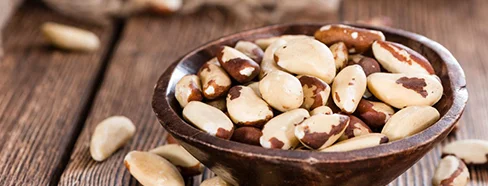
Chromium (from Brazil Nuts)
Role: An essential trace mineral that plays a key role in carbohydrate and lipid metabolism. It enhances the action of insulin, helping it to bind more effectively to cells and facilitate glucose uptake.
Typical Dose: 200-1000 mcg
Juniper Berry
Role: Traditionally used for its diuretic properties, juniper berries also contain antioxidants and compounds that may help lower blood sugar levels and support kidney health, which is important for individuals with diabetes.
Typical Dose: 50-200 mg extract
Licorice Root
Role: Contains compounds with anti-inflammatory and antioxidant properties. Research suggests it may help reduce blood sugar levels and protect against kidney damage, a common complication of diabetes.
Typical Dose: 100-500 mg extract
Cayenne Pepper
Role: Contains capsaicin, which may improve insulin sensitivity and glucose metabolism. It can also boost metabolism and promote fat burning, contributing to weight management, which is beneficial for blood sugar control.
Typical Dose: 30-120 mg powderBeyond Fasting: Holistic Approaches to Blood Sugar Management
While intermittent fasting and targeted nutrition are powerful tools, a holistic approach to blood sugar control involves several other crucial lifestyle factors.
Achieving and maintaining optimal blood sugar levels is a multifaceted endeavor. Beyond dietary interventions like intermittent fasting, integrating other healthy habits is paramount:
- Regular Physical Activity: Exercise helps your muscles use glucose for energy, reducing blood sugar levels. It also improves insulin sensitivity. Aim for a mix of aerobic activities and strength training.
- Adequate Sleep: Poor sleep can disrupt hormone balance, leading to increased insulin resistance and higher blood sugar levels. Prioritize 7-9 hours of quality sleep per night.
- Stress Management: Chronic stress elevates cortisol levels, which can raise blood sugar. Practices like meditation, yoga, deep breathing, or spending time in nature can help manage stress effectively.
- Avoidance of Environmental Toxins: Emerging research suggests that certain environmental toxins, known as "diabetogens," might interfere with metabolic health. While difficult to completely avoid, minimizing exposure where possible can be beneficial.
- Regular Health Check-ups: Consistent monitoring with your healthcare provider is essential to track progress, adjust strategies, and address any potential complications early.
By combining intermittent fasting with these foundational lifestyle practices, you create a robust framework for managing your blood sugar, improving insulin sensitivity, and fostering long-term metabolic health. Remember, consistency and patience are key, and every small step contributes to your overall well-being.

Take Control of Your Blood Sugar Journey with GlucoSwitch
If you're committed to supporting your blood sugar health through lifestyle changes like intermittent fasting and a balanced diet, GlucoSwitch offers a natural, plant-based complement to your regimen. Formulated with 19 hand-picked ingredients, it's designed to assist your body's natural ability to maintain healthy glucose levels.
- ✓ Supports healthy blood sugar levels
- ✓ Enhances insulin sensitivity naturally
- ✓ Boosts energy and vitality
- ✓ Promotes healthy metabolism
- ✓ Made with 100% natural, plant-based ingredients




Real Stories from Our Community
"I've been combining intermittent fasting with GlucoSwitch for three months now, and the difference is remarkable. My energy levels are up, and my doctor is pleased with my blood sugar readings. It feels like I finally have control."
"As someone with insulin resistance, finding effective strategies is key. GlucoSwitch, alongside my fasting routine, has helped me feel more balanced and less reliant on constant snacking. Highly recommend for metabolic support."
"I was skeptical at first, but this supplement has truly complemented my efforts to manage blood sugar. I feel less sluggish, and the natural ingredients give me peace of mind. A great addition to my health journey."
Frequently Asked Questions
What is intermittent fasting and how does it affect blood sugar?
+Intermittent fasting (IF) is an eating pattern that cycles between periods of eating and voluntary fasting. It primarily impacts blood sugar by improving insulin sensitivity, reducing overall calorie intake, and promoting fat burning. During fasting periods, your body shifts from using glucose for energy to burning stored fat, which can lower insulin levels and give your pancreas a rest.
Is intermittent fasting safe for people with Type 2 Diabetes or insulin resistance?
+While intermittent fasting shows promise for blood sugar control, it's crucial for individuals with Type 2 Diabetes or insulin resistance to approach it with caution and under medical supervision. Fasting can significantly alter blood glucose levels, potentially leading to hypoglycemia (low blood sugar) or hyperglycemia (high blood sugar) if not managed properly, especially for those on medication. Always consult your doctor before starting IF.
What are the best IF methods for blood sugar control?
+The most common and often recommended methods for blood sugar control include the 16/8 method (fasting for 16 hours, eating within an 8-hour window) and the 14/10 method. These approaches are generally easier to sustain and allow for consistent eating patterns. Longer fasts (like 24-hour fasts or the 5:2 method) may offer greater benefits but require closer medical supervision, particularly for those with existing health conditions.
Can supplements like GlucoSwitch help support my intermittent fasting journey?
+While intermittent fasting itself is a powerful tool, certain natural supplements can complement its effects by supporting healthy blood sugar levels. GlucoSwitch, with its blend of ingredients like Banaba Leaf, Bitter Melon, and Chromium, is designed to support glucose metabolism and insulin sensitivity, potentially making it a beneficial addition to a disciplined fasting regimen. However, supplements should always be used in conjunction with a healthy diet and lifestyle, and never as a replacement for medical advice or treatment.
What should I eat during my eating window while doing intermittent fasting for blood sugar control?
+During your eating window, focus on nutrient-dense, whole foods that support stable blood sugar. Prioritize lean proteins (chicken, fish, legumes), healthy fats (avocado, nuts, seeds), and complex carbohydrates (whole grains, vegetables, fruits). Avoid highly processed foods, sugary drinks, and refined carbohydrates, as these can spike blood sugar and negate the benefits of fasting. Hydration with water, herbal teas, or black coffee is also vital.
How long does it take to see results from intermittent fasting for blood sugar?
+Results from intermittent fasting can vary greatly depending on individual metabolism, consistency, and adherence to healthy eating during the feasting window. Some individuals may notice improvements in blood sugar readings or energy levels within a few weeks, while significant changes in insulin sensitivity and weight loss might take several months. Consistent adherence and careful monitoring of blood sugar levels are key to achieving and sustaining positive outcomes.
Related Articles