Are you ready to take control of your blood sugar with the power of food?
Living with Type 2 Diabetes or insulin resistance can feel like a constant battle, especially when it comes to managing what you eat. The good news is that dietary choices play a monumental role in stabilizing blood sugar levels, and one of the most effective strategies is adopting a low glycemic (LG) diet. This isn't just another fad; it's a scientifically supported approach to eating that can profoundly impact your health.
A low glycemic diet focuses on consuming foods that cause a slower, more gradual rise in blood sugar, helping to prevent the sharp spikes and crashes that often accompany diabetes. By understanding the glycemic index of foods and making informed choices, you can improve insulin sensitivity, manage your weight, and enhance overall metabolic health. This article will guide you through the principles of a low glycemic diet, offer practical meal planning tips, and explore how a holistic approach, including natural support, can lead to sustainable blood sugar control and improved quality of life.

Understanding the Glycemic Index: Your Food Compass
Before diving into meal plans, it's essential to grasp the fundamental concept of the Glycemic Index (GI).
The Glycemic Index (GI) is a ranking system for carbohydrate-containing foods based on how quickly they raise blood glucose levels after eating. Foods are ranked on a scale of 0 to 100, with pure glucose serving as the reference point (GI of 100). Generally, foods are categorized as:
- Low GI: 55 or less (e.g., most non-starchy vegetables, legumes, whole fruits, nuts)
- Medium GI: 56-69 (e.g., whole wheat bread, brown rice, sweet potatoes)
- High GI: 70 or more (e.g., white bread, white rice, sugary cereals, potatoes)
When you consume carbohydrates, your body breaks them down into glucose, which then enters your bloodstream. High GI foods are rapidly digested and absorbed, leading to a quick and significant spike in blood sugar. This triggers a large release of insulin, the hormone responsible for moving glucose from the blood into cells. For individuals with Type 2 Diabetes or insulin resistance, this rapid surge in glucose and insulin can be problematic, exacerbating insulin resistance over time and potentially leading to damage to blood vessels and nerves.
In contrast, low GI foods are digested and absorbed more slowly, resulting in a gradual and sustained release of glucose into the bloodstream. This helps to maintain more stable blood sugar levels, reduces the demand on the pancreas to produce large amounts of insulin, and can ultimately improve the body's sensitivity to insulin. Over time, consistently choosing low GI foods can contribute to better long-term blood sugar control, reduce the risk of diabetes complications, and support overall metabolic health. It's a powerful tool in your diabetes management arsenal, empowering you to make choices that directly benefit your well-being.
💡 Key Takeaway
A low glycemic diet is a powerful strategy for diabetes management, focusing on foods that slowly release glucose into the bloodstream, thus stabilizing blood sugar and improving insulin sensitivity. Understanding the GI of foods is the first step towards better metabolic health.
The Multifaceted Benefits of a Low Glycemic Diet for Diabetes
Beyond direct blood sugar control, a low glycemic diet offers a spectrum of health advantages crucial for individuals managing Type 2 Diabetes and insulin resistance.
Stable Blood Sugar Levels
The primary benefit is preventing rapid spikes and crashes in blood glucose. By choosing low GI foods, you ensure a steady supply of energy, avoiding the roller coaster effect that can lead to fatigue, irritability, and long-term complications. This stability is key to reducing the strain on your pancreas.
Improved Insulin Sensitivity
Consistent consumption of low GI foods reduces the need for the body to produce large amounts of insulin. Over time, this can lead to improved insulin sensitivity, meaning your cells respond more effectively to insulin, allowing glucose to enter them more easily. This is vital for reversing or managing insulin resistance.
Effective Weight Management
Low GI foods, often rich in fiber and protein, promote satiety and keep you feeling fuller for longer. This reduces overall calorie intake and minimizes cravings, making weight loss and maintenance more achievable. Managing weight is a cornerstone of Type 2 Diabetes management and can significantly impact disease progression.
Reduced Risk of Cardiovascular Disease
Diabetes significantly increases the risk of heart disease. A low glycemic diet can help lower "bad" LDL cholesterol and triglyceride levels, while potentially increasing "good" HDL cholesterol. These improvements contribute to better cardiovascular health and reduce your overall risk.
Sustained Energy Levels
By providing a steady release of glucose, low GI foods ensure a consistent energy supply throughout the day. This can combat the fatigue often experienced by individuals with fluctuating blood sugar, leading to improved mental clarity and physical stamina. You'll feel more vibrant and ready to tackle your day.
Enhanced Overall Well-being
Beyond the physiological benefits, adopting a low glycemic diet can lead to a greater sense of control over your health. This empowerment can reduce stress and anxiety related to diabetes, fostering a more positive outlook and a better quality of life. It's about feeling good, inside and out.

Crafting Your Low Glycemic Meal Plan: Food Choices and Strategies
Building a low glycemic diet is about making smart substitutions and focusing on nutrient-dense foods. Here's how to fill your plate wisely:
The foundation of a successful low glycemic diet lies in making conscious food choices. It's not about deprivation, but rather about choosing healthier, more beneficial alternatives. Focus on whole, unprocessed foods that are naturally low in GI. Here are key categories and examples:
1. Non-Starchy Vegetables (Eat Freely)
These are your best friends! They are packed with fiber, vitamins, and minerals, and have a very low GI. They add bulk to your meals without significantly impacting blood sugar. Examples include leafy greens (spinach, kale, lettuce), broccoli, cauliflower, bell peppers, zucchini, cucumbers, green beans, asparagus, and mushrooms. Incorporate a variety of colors for a wide range of nutrients.
2. Fruits (In Moderation)
While fruits contain natural sugars, many have a low to medium GI due to their fiber content. Stick to whole fruits rather than juices. Excellent choices include berries (strawberries, blueberries, raspberries), apples, pears, oranges, grapefruit, kiwi, and cherries. Limit high GI fruits like watermelon and pineapple, or consume them in very small portions.
3. Legumes (Excellent Protein & Fiber)
Beans, lentils, and chickpeas are powerhouses of plant-based protein and soluble fiber, which helps slow down sugar absorption. They are naturally low GI and incredibly versatile. Use them in soups, salads, stews, or as a meat substitute. Examples: black beans, kidney beans, lentils, chickpeas, edamame.
4. Whole Grains (Choose Wisely, Control Portions)
Not all whole grains are low GI, but many are better choices than refined grains. Portion control is crucial here. Opt for minimally processed whole grains like oats (steel-cut or rolled, not instant), quinoa, barley, bulgur, and whole grain pasta. Avoid white bread, white rice, and sugary cereals. When choosing bread, look for 100% whole grain with minimal added sugars.
5. Lean Proteins (Essential for Satiety)
Protein has virtually no impact on blood sugar and helps slow down the absorption of carbohydrates in your meal, further lowering the overall GI. Include lean protein sources at every meal: chicken breast, turkey, fish (salmon, cod, tuna), eggs, tofu, tempeh, and Greek yogurt. These also contribute to muscle maintenance and satiety.
6. Healthy Fats (Moderation is Key)
Fats, like proteins, have a minimal effect on blood sugar and can help slow digestion, contributing to satiety. Focus on unsaturated fats: avocado, nuts (almonds, walnuts, pecans), seeds (chia, flax, pumpkin), and olive oil. These fats also provide essential nutrients and support heart health. Remember that even healthy fats are calorie-dense, so consume them in moderation.
By consistently choosing foods from these categories, you can build a diverse and delicious low glycemic meal plan that supports stable blood sugar levels. Remember that cooking methods also matter; for instance, boiling potatoes makes them higher GI than roasting them. Combining foods (e.g., carbohydrates with protein and fat) can also lower the overall GI of a meal.
Practical Tips for Low Glycemic Meal Planning
Read Food Labels
Pay attention to the total carbohydrate count, fiber content, and added sugars. The higher the fiber, the lower the net carbs and usually the lower the GI.
Combine Foods Strategically
Always pair carbohydrates with protein and healthy fats. For example, have an apple (medium GI) with a handful of almonds (protein/fat) to slow down sugar absorption.
Prioritize Fiber
Fiber is your ally. It slows digestion, helps regulate blood sugar, and promotes fullness. Aim for at least 25-30 grams of fiber per day from whole foods.
Watch Portion Sizes
Even low GI foods can raise blood sugar if consumed in excessively large quantities. Practice mindful eating and appropriate portion control, especially with grains and fruits.
Plan Ahead
Meal prepping and planning your meals and snacks in advance can prevent impulsive, high-GI food choices when you're hungry and short on time.
Hydrate Well
Drink plenty of water throughout the day. Sometimes, thirst can be mistaken for hunger, leading to unnecessary snacking. Water also aids overall metabolic function.
Beyond Diet: A Holistic Approach to Diabetes Management
While a low glycemic diet is foundational, effective diabetes management requires a broader strategy encompassing lifestyle, activity, and targeted support.
Managing Type 2 Diabetes and insulin resistance is not solely about what you eat; it's about cultivating a comprehensive healthy lifestyle. A holistic approach integrates several key components that work synergistically to optimize blood sugar control and overall well-being. Neglecting any one area can undermine the progress made in others.
Regular Physical Activity
Exercise is a powerful tool for improving insulin sensitivity. When you engage in physical activity, your muscles use glucose for energy, helping to lower blood sugar levels. Regular movement also aids in weight management and improves cardiovascular health, both critical for diabetes. Aim for a mix of aerobic exercises (like brisk walking, swimming, cycling) and strength training. Even short bursts of activity throughout the day can make a difference. For more specific guidance, you might find useful information in our article on effective exercise tips for blood sugar and insulin sensitivity.
Adequate Sleep
Sleep deprivation can wreak havoc on your hormones, including those that regulate appetite and blood sugar. Poor sleep can increase insulin resistance, raise cortisol levels, and make you crave high-carb, sugary foods. Aim for 7-9 hours of quality sleep per night. Establishing a consistent sleep schedule and creating a relaxing bedtime routine can significantly impact your metabolic health.
Stress Management
Chronic stress triggers the release of hormones like cortisol and adrenaline, which can elevate blood sugar levels and contribute to insulin resistance. Finding healthy ways to manage stress is crucial. Practices such as meditation, yoga, deep breathing exercises, spending time in nature, or engaging in hobbies can help mitigate the physiological impact of stress on your body. Understanding how to improve blood sugar naturally often includes stress reduction techniques.
Hydration
Staying well-hydrated is often overlooked but plays a vital role in metabolic function. Water helps your kidneys flush out excess glucose through urine, especially when blood sugar levels are high. It also supports overall cellular function and can help prevent dehydration, which can sometimes be mistaken for hunger.
Targeted Nutritional Support
Even with the most meticulous diet, modern agriculture and individual variations in nutrient absorption mean that some individuals may benefit from targeted nutritional support. Certain vitamins, minerals, and botanical extracts have been studied for their potential roles in supporting healthy blood sugar levels, enhancing insulin sensitivity, and promoting overall metabolic balance. This is where a quality supplement, formulated with scientifically backed ingredients, can play a supportive role in your comprehensive diabetes management plan. When looking for such support, consider consulting our guide on how to choose the best blood sugar supplement.
By integrating these pillars—diet, exercise, sleep, stress management, and appropriate supplementation—you create a robust framework for managing Type 2 Diabetes and insulin resistance effectively. It's about empowering your body to function optimally and supporting its natural ability to maintain balance.
Natural Support: How GlucoSwitch Can Complement Your Low Glycemic Journey
While diet and lifestyle are paramount, certain natural ingredients can offer additional support in maintaining healthy blood sugar levels. GlucoSwitch is formulated with a blend of such ingredients, designed to work in harmony with your efforts.

Banaba Leaves
Role: Known for their active compound, corosolic acid, Banaba leaves are often used for their potential to help lower blood glucose levels and improve insulin sensitivity. They may assist cells in taking up glucose more efficiently.
Typical dose: 1-10mg corosolic acid daily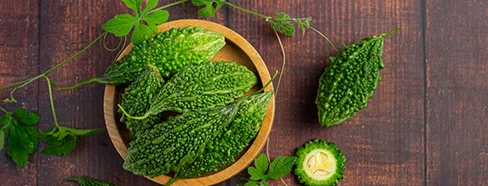
Bitter Melon
Role: This fruit contains compounds like charantin and polypeptide-p, which mimic insulin's action and may help reduce blood sugar levels. It's traditionally used in various cultures for its anti-diabetic properties.
Typical dose: 500-2000mg extract daily
Cinnamon Bark
Role: Cinnamon is widely recognized for its ability to improve insulin sensitivity and lower blood glucose levels. It can also slow down the breakdown of carbohydrates in the digestive tract, reducing the post-meal glucose spike.
Typical dose: 250-1000mg extract daily
Gymnema Sylvestre
Role: Often called the "sugar destroyer," Gymnema Sylvestre helps reduce sugar cravings and supports healthy blood sugar levels by potentially blocking sugar absorption in the intestines and promoting insulin secretion.
Typical dose: 200-600mg extract daily
Juniper Berry
Role: Historically used for various medicinal purposes, juniper berries contain compounds that may offer antioxidant benefits and support healthy inflammatory responses, indirectly aiding metabolic health and blood sugar regulation.
Typical dose: 50-200mg extract daily
Licorice Root
Role: Beyond its distinct flavor, licorice root contains active compounds that may help reduce blood sugar levels and possess anti-inflammatory properties, contributing to overall metabolic support.
Typical dose: 100-500mg extract daily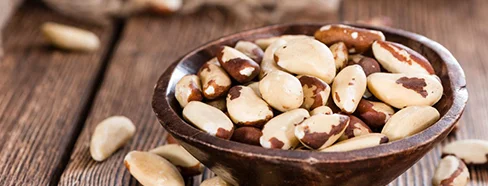
Chromium
Role: This essential trace mineral plays a crucial role in carbohydrate and lipid metabolism. It enhances the action of insulin, helping your body use glucose more effectively and maintain stable blood sugar levels.
Typical dose: 200-1000mcg daily
Cayenne Pepper
Role: The capsaicin in cayenne pepper may help improve glucose metabolism and increase energy expenditure. It can also support healthy circulation and reduce cravings for unhealthy foods, indirectly benefiting blood sugar control.
Typical dose: 30-120mg capsaicinoids dailyGlucoSwitch is designed to be a natural ally in your diabetes management journey, offering a blend of these powerful ingredients. However, it's crucial to remember that supplements are most effective when used as part of a holistic approach that includes a low glycemic diet, regular exercise, adequate sleep, and stress management. Always consult with your healthcare provider before starting any new supplement regimen, especially if you have existing medical conditions or are taking medications.

Ready to Support Your Blood Sugar Naturally?
Take the next step in your health journey. GlucoSwitch offers a carefully crafted blend of natural ingredients designed to complement your low glycemic diet and healthy lifestyle, helping you maintain balanced blood sugar levels and promote overall metabolic wellness.
- ✓ Supports healthy blood sugar levels
- ✓ Enhances insulin sensitivity
- ✓ Promotes healthy metabolism
- ✓ Made with 100% natural ingredients
- ✓ Manufactured in an FDA-registered, GMP-certified facility




Hear From Our Satisfied Customers
"Switching to a low glycemic diet felt overwhelming at first, but with GlucoSwitch, I feel more supported. My energy levels are up, and my blood sugar readings are much more stable. It's been a game-changer!"
"I've been using GlucoSwitch for three months alongside my doctor's recommended diet. I've noticed a significant improvement in my fasting glucose levels. It's easy to take and has become a crucial part of my daily routine."
"My endocrinologist suggested a low glycemic approach, and I added GlucoSwitch to my regimen. I appreciate the natural ingredients and the noticeable difference in my sugar cravings. Highly recommend for anyone managing Type 2 Diabetes."
Frequently Asked Questions
What is a low glycemic diet, and how does it work for diabetes?
+A low glycemic (LG) diet focuses on consuming foods that cause a slower, more gradual rise in blood sugar compared to high glycemic foods. This is crucial for diabetes management because it helps stabilize blood glucose levels, reduces insulin spikes, and improves insulin sensitivity. It works by prioritizing complex carbohydrates, fiber, proteins, and healthy fats, which are digested more slowly.
What specific foods are recommended on a low glycemic diet for diabetes?
+Key foods include non-starchy vegetables (leafy greens, broccoli, bell peppers), most fruits (berries, apples, pears), legumes (lentils, chickpeas), whole grains in moderation (oats, quinoa, barley), lean proteins (chicken, fish, tofu), and healthy fats (avocado, nuts, seeds, olive oil). Processed foods, sugary drinks, and refined grains should be limited or avoided.
Can a low glycemic diet help with weight loss in individuals with Type 2 Diabetes?
+Yes, a low glycemic diet can significantly aid in weight loss for individuals with Type 2 Diabetes. By promoting satiety, reducing cravings, and stabilizing blood sugar, it helps prevent overeating and fat storage. Stable blood sugar levels also support better energy regulation, making it easier to engage in physical activity and manage overall calorie intake effectively.
Are there any potential downsides or challenges to adopting a low glycemic diet?
+While highly beneficial, some challenges include initial adjustment to new food choices, potential for nutrient deficiencies if not well-planned, and the need for careful label reading. It might also require more meal preparation. However, with proper guidance and education, these challenges can be easily overcome, and the long-term benefits far outweigh the initial hurdles.
How can GlucoSwitch complement a low glycemic diet for blood sugar management?
+GlucoSwitch is formulated with natural ingredients known for their potential to support healthy blood sugar levels, improve insulin sensitivity, and aid in metabolic balance. When combined with a disciplined low glycemic diet, it can offer additional support, helping to optimize glucose metabolism and potentially enhance the benefits of dietary changes. It's designed to work synergistically with a healthy lifestyle.
How quickly can one expect to see results from following a low glycemic diet?
+The timeline for seeing results can vary based on individual metabolism, adherence to the diet, and other lifestyle factors. However, many individuals report noticing improved blood sugar control, increased energy, and reduced cravings within a few weeks of consistent adherence. Significant long-term benefits, such as improved A1C levels and weight management, typically manifest over several months.
Related Articles You Might Find Useful