Are You Missing the Subtle Signs of Insulin Resistance?
In the bustling rhythm of modern life, it's easy to overlook the quiet messages our bodies send. We often attribute fatigue to a busy schedule, weight gain to aging, and cravings to a lack of willpower. However, these seemingly innocuous symptoms could be early warning signs of a serious underlying condition: insulin resistance.
Insulin resistance is a metabolic state where your body's cells don't respond effectively to insulin, the hormone responsible for regulating blood sugar. It's a critical, yet often undiagnosed, silent precursor to Type 2 Diabetes and a host of other health issues. Understanding and recognizing these early signals is not just about managing symptoms; it's about reclaiming your health and preventing a cascade of chronic diseases.

What Exactly is Insulin Resistance? The Core Mechanism Explained
Before delving into the signs, it's crucial to grasp what insulin resistance entails. It's a fundamental metabolic issue that affects millions globally, often without them knowing.
Insulin is a hormone produced by your pancreas, a gland located behind your stomach. Its primary role is to act as a key, unlocking your cells (muscle, fat, and liver cells) to allow glucose from the food you eat to enter. Once inside, glucose is used for energy or stored for later use. When you eat, especially carbohydrates, your blood glucose rises, and your pancreas releases insulin to bring it back down.
However, with insulin resistance, your cells become less responsive to insulin's signal. Imagine trying to unlock a door with a key that no longer fits perfectly. The key (insulin) is there, but the lock (your cells) isn't opening as easily. As a result, glucose struggles to enter the cells and accumulates in your bloodstream, leading to elevated blood sugar levels. To counteract this, your pancreas goes into overdrive, producing more and more insulin in an attempt to force glucose into your cells. This state of chronically high insulin (hyperinsulinemia) is a hallmark of insulin resistance and can be damaging over time.
This compensatory mechanism can work for years, keeping blood sugar levels within a "normal" range even as insulin levels soar. This is why insulin resistance can be so insidious – you might not see abnormal glucose readings until significant damage has already occurred. Eventually, the pancreas may become exhausted from overworking, leading to a decline in insulin production and a definitive diagnosis of Type 2 Diabetes. Understanding this process is the first step toward recognizing the subtle cues your body might be sending.
💡 Key Takeaway
Insulin resistance is a metabolic condition where cells don't respond to insulin, leading to high blood sugar and forcing the pancreas to overproduce insulin. Early detection is vital to prevent progression to Type 2 Diabetes.
The Sneaky Signs: Early Warning Signals of Insulin Resistance
Insulin resistance rarely announces itself with a grand fanfare. Instead, it often manifests through a collection of seemingly unrelated symptoms that, when viewed together, paint a clear picture. Pay close attention to these indicators.
Persistent Fatigue and Low Energy
Do you constantly feel tired, even after a full night's sleep? Or experience an energy crash in the afternoon, often after meals? This isn't just a sign of being busy. When your cells are resistant to insulin, glucose struggles to enter them, meaning your body isn't effectively converting food into usable energy. This cellular starvation, despite ample food intake, can manifest as profound, inexplicable fatigue. You might feel sluggish, mentally foggy, and simply "run down" most of the time.
Unexplained Weight Gain, Especially Around the Abdomen
One of the most common and frustrating signs of insulin resistance is difficulty losing weight, particularly around your midsection. High insulin levels signal your body to store fat, especially visceral fat (the fat surrounding your organs). This abdominal obesity, often described as an "apple shape," is a strong indicator of metabolic dysfunction. Even if you're eating moderately and exercising, stubborn belly fat that won't budge can be a red flag for underlying insulin resistance.
Intense Cravings for Sugar and Carbohydrates
Do you find yourself constantly reaching for sugary snacks, pastries, or starchy foods? These intense cravings are often a vicious cycle fueled by insulin resistance. When glucose can't enter your cells efficiently, your brain perceives a lack of energy, triggering a demand for quick fuel – usually in the form of sugar. This leads to a temporary energy boost followed by a crash, restarting the cycle of cravings. It's not a lack of willpower; it's a physiological response to deregulated blood sugar.
Skin Changes: Dark Patches (Acanthosis Nigricans) and Skin Tags
Your skin can offer visible clues. Acanthosis nigricans are dark, velvety patches of skin, typically found in the armpits, groin, neck folds, and sometimes on the hands or elbows. These patches are caused by high insulin levels stimulating skin cell growth. Similarly, small, benign skin growths called skin tags, especially around the neck or in skin folds, are also often associated with elevated insulin and insulin resistance. These are clear physical markers that your body is struggling with insulin regulation.
High Blood Pressure and Cholesterol Imbalances
Insulin resistance is a key component of Metabolic Syndrome, a cluster of conditions that increase your risk of heart disease, stroke, and Type 2 Diabetes. High blood pressure (hypertension) is often observed in individuals with insulin resistance, as high insulin levels can cause the kidneys to retain sodium and fluid, increasing blood volume and pressure. Additionally, you might see unfavorable cholesterol profiles, such as high triglycerides and low HDL (good) cholesterol, even if LDL (bad) cholesterol levels appear normal. These cardiovascular markers are strong indicators of metabolic stress.
Increased Thirst and Frequent Urination
While more commonly associated with full-blown diabetes, these symptoms can begin to appear in later stages of insulin resistance or prediabetes. When blood sugar levels are consistently high, your kidneys work overtime to filter out the excess glucose, leading to increased urination. This, in turn, can cause dehydration and increased thirst as your body tries to replenish lost fluids. If you notice a significant change in these habits, it warrants medical attention.
Difficulty Concentrating or "Brain Fog"
The brain relies heavily on a steady supply of glucose for optimal function. When insulin resistance prevents glucose from efficiently entering brain cells, it can lead to cognitive issues. You might experience difficulty focusing, memory lapses, mental sluggishness, or a general feeling of "brain fog." This can impact productivity and overall quality of life, and it's another subtle sign that your metabolic health might be compromised.
Recognizing these signs is the first step. If you identify with several of these symptoms, it's crucial to consult a healthcare professional for proper diagnosis and guidance. Early intervention can significantly alter the trajectory of your health.

The Interconnected Web: How Insulin Resistance Affects Overall Health
Insulin resistance is not an isolated issue; it's a foundational problem that can ripple through nearly every system in your body, impacting more than just blood sugar levels.
Beyond the direct progression to Type 2 Diabetes, chronic insulin resistance can contribute to a wide array of health problems. It's often linked to non-alcoholic fatty liver disease (NAFLD), where excess fat accumulates in the liver. It exacerbates polycystic ovary syndrome (PCOS) in women, affecting hormonal balance and fertility. The inflammation associated with insulin resistance can also play a role in neurodegenerative diseases like Alzheimer's, sometimes referred to as "Type 3 Diabetes."
Furthermore, the constant metabolic stress can impair immune function, making you more susceptible to infections and slowing wound healing. It can also disrupt sleep patterns, creating a vicious cycle where poor sleep further worsens insulin sensitivity. For more insights on this connection, you can read our article on sleep and blood sugar diabetes. Understanding this broad impact underscores the urgency of addressing insulin resistance early.
Taking Action: Lifestyle Changes to Improve Insulin Sensitivity
The good news is that insulin resistance is largely a reversible condition, and lifestyle modifications are your most powerful tools. These changes focus on reducing the demand on your pancreas and making your cells more receptive to insulin.
Dietary Overhaul
Focus on a whole-foods diet rich in non-starchy vegetables, lean proteins, and healthy fats. Minimize refined carbohydrates, added sugars, and processed foods, which cause rapid blood sugar spikes. Incorporate plenty of fiber from fruits, vegetables, and whole grains, as fiber slows glucose absorption and improves satiety.
Regular Physical Activity
Exercise is a potent insulin sensitizer. Both aerobic and strength training can help your muscles absorb glucose more efficiently without needing as much insulin. Aim for at least 150 minutes of moderate-intensity activity per week, along with 2-3 sessions of strength training. Even short walks after meals can make a significant difference.
Weight Management
Losing even a modest amount of weight (5-10% of your body weight) can dramatically improve insulin sensitivity, especially if that weight is visceral fat. Combine dietary changes and exercise for sustainable weight loss that directly targets the metabolic roots of insulin resistance.
Prioritize Quality Sleep
Chronic sleep deprivation and poor sleep quality are strongly linked to increased insulin resistance. Aim for 7-9 hours of restful sleep per night. Establish a consistent sleep schedule, create a dark and cool sleep environment, and avoid screens before bed to optimize your body's metabolic rhythm.
Stress Reduction
Chronic stress elevates cortisol levels, which can lead to increased blood sugar and insulin resistance. Incorporate stress-reducing practices into your daily routine, such as meditation, yoga, deep breathing exercises, spending time in nature, or engaging in hobbies you enjoy.
These lifestyle changes are fundamental. For those seeking additional support, certain natural remedies and supplements have shown promise in improving blood sugar regulation. You can explore more about these in our article on natural remedies for type 2 diabetes that work.
Nutritional Support: Key Ingredients for Blood Sugar Balance
While lifestyle changes are paramount, certain natural ingredients can offer valuable support in improving insulin sensitivity and managing blood sugar levels. Many of these have been studied for their beneficial effects on metabolic health.

Banaba Leaf (Lagerstroemia speciosa)
Role: Known for its active compound, corosolic acid, Banaba leaf has been traditionally used to help lower blood glucose levels. It's believed to improve glucose uptake by cells and inhibit alpha-glucosidase, an enzyme that breaks down carbohydrates.
Typical dosage: 1-2mg corosolic acid daily, or 48-300mg leaf extract.
Cinnamon Bark (Cinnamomum verum)
Role: Cinnamon is widely recognized for its potential to improve insulin sensitivity and lower blood sugar. It mimics insulin's effects on cells and can increase glucose uptake. It also slows the breakdown of carbohydrates in the digestive tract, preventing post-meal sugar spikes.
Typical dosage: 1-6 grams of powder or 250mg extract daily.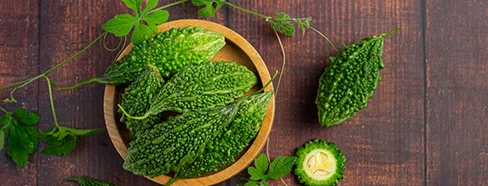
Bitter Melon (Momordica charantia)
Role: This tropical fruit has a long history in traditional medicine for diabetes management. It contains compounds like charantin and polypeptide-p, which are believed to have blood glucose-lowering effects by improving glucose utilization and insulin secretion.
Typical dosage: 50-100mg extract or 1-3 grams of dried fruit daily.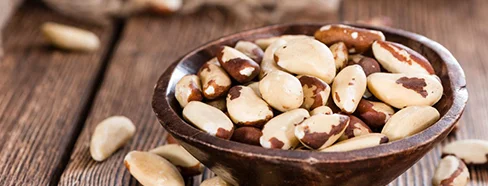
Chromium Picolinate
Role: Chromium is an essential trace mineral that plays a key role in carbohydrate and lipid metabolism. It's thought to enhance the action of insulin, helping it to bind more effectively to cells and facilitate glucose uptake. Many people with insulin resistance are deficient in chromium.
Typical dosage: 200-1000 mcg daily.
Gymnema Sylvestre
Role: Known as the "sugar destroyer," Gymnema Sylvestre has been used in Ayurvedic medicine for centuries. It may help reduce sugar cravings, block sugar absorption in the intestines, and stimulate insulin secretion from the pancreas, contributing to lower blood sugar levels.
Typical dosage: 200-400mg of extract daily, standardized to 25% gymnemic acid.
Juniper Berry (Juniperus communis)
Role: Traditionally used for its diuretic properties, juniper berries also contain antioxidants and compounds that may help regulate blood sugar. Some research suggests they can support healthy glucose metabolism and reduce inflammatory markers, which are often elevated in insulin resistance.
Typical dosage: 1-10 grams of dried berries or 20-100mg extract daily.
Licorice Root (Glycyrrhiza glabra)
Role: Licorice root has a complex profile of compounds, including glabridin, which has shown anti-diabetic and anti-inflammatory properties. It may help improve insulin sensitivity and protect pancreatic beta cells. However, long-term high doses can affect blood pressure, so moderation is key.
Typical dosage: 100-300mg deglycyrrhizinated licorice (DGL) extract or short-term whole root in moderation.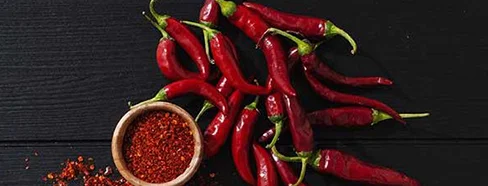
Cayenne Pepper (Capsicum annuum)
Role: The capsaicin in cayenne pepper may improve insulin sensitivity and reduce blood sugar levels. It can also boost metabolism and aid in weight management, which indirectly helps combat insulin resistance. It contributes to thermogenesis, helping the body burn more calories.
Typical dosage: 30-120mg capsaicinoids daily, often in supplement form.For those looking for a comprehensive approach to supporting healthy blood sugar and insulin sensitivity, a well-formulated supplement like GlucoSwitch combines several of these powerful ingredients. It's designed to work synergistically with your body's natural processes, helping to optimize metabolic function. You can learn more about how a targeted supplement can aid your journey in our article on best supplement for type 2 diabetes insulin resistance.

Take Control of Your Blood Sugar Health with GlucoSwitch
Don't let the silent threats of insulin resistance and imbalanced blood sugar dictate your future. GlucoSwitch offers a carefully crafted blend of natural ingredients, each selected for its scientifically-backed potential to support healthy glucose metabolism and enhance insulin sensitivity. It's a proactive step towards a healthier, more energetic you.
- ✓ Supports Healthy Blood Sugar Levels
- ✓ Enhances Insulin Sensitivity Naturally
- ✓ Boosts Energy and Reduces Fatigue
- ✓ Aids in Healthy Weight Management
- ✓ Made with 100% Natural, Non-GMO Ingredients




What Our Customers Are Saying
"I was constantly tired and struggling with my weight, even though I thought I was eating well. After a few weeks on GlucoSwitch, I noticed a significant boost in my energy levels and my sugar cravings have almost vanished. It feels like my body is finally working with me again!"
"My doctor mentioned my blood sugar was creeping up, and I was worried about insulin resistance. I started GlucoSwitch along with diet changes, and my latest blood work showed remarkable improvement. I feel more balanced and less anxious about my health."
"The afternoon slump was a daily battle for me. Since adding GlucoSwitch to my routine, I have sustained energy throughout the day and no longer feel the need to reach for sugary pick-me-ups. It's been a game-changer for my focus and productivity."
Frequently Asked Questions
What exactly is insulin resistance?
+Insulin resistance occurs when your body's cells don't respond effectively to insulin, a hormone produced by the pancreas. Insulin's job is to help glucose (sugar) from food enter cells for energy. When cells become resistant, glucose builds up in the bloodstream instead of being absorbed, leading to higher blood sugar levels. To compensate, the pancreas works harder, producing even more insulin, which can eventually lead to pancreatic fatigue and Type 2 Diabetes.
Can insulin resistance be reversed?
+Yes, in many cases, insulin resistance can be significantly improved or even reversed, especially if caught early. Lifestyle interventions such as dietary changes (reducing refined carbs and sugars, increasing fiber), regular physical activity, weight management, and adequate sleep are crucial. In some situations, healthcare providers might recommend specific supplements or medications.
What are the most common early warning signs I should look for?
+Some of the most common early warning signs include chronic fatigue, unexplained weight gain (particularly around the abdomen), persistent cravings for sugary or high-carb foods, difficulty losing weight despite diet and exercise, and skin changes like dark patches (acanthosis nigricans) or skin tags. Recognizing these signals early can be key to prevention.
How does diet impact insulin resistance?
+Diet plays a critical role. Consuming a diet high in refined carbohydrates, added sugars, and unhealthy fats can lead to frequent spikes in blood sugar and insulin, eventually causing cells to become resistant. Conversely, a diet rich in whole foods, lean proteins, healthy fats, and fiber helps stabilize blood sugar, reduces insulin demand, and improves insulin sensitivity.
When should I see a doctor about potential insulin resistance?
+If you notice several of the early warning signs mentioned in this article, or if you have risk factors such as a family history of diabetes, obesity, or a sedentary lifestyle, it's highly advisable to consult your doctor. They can perform blood tests, such as fasting insulin, fasting glucose, and HbA1c, to accurately diagnose insulin resistance or prediabetes and recommend an appropriate course of action.
How can GlucoSwitch support metabolic health?
+GlucoSwitch is formulated with a blend of natural ingredients known for their potential to support healthy blood sugar levels and improve insulin sensitivity. Ingredients like Banaba Leaf, Cinnamon Bark, and Chromium are traditionally recognized for their roles in glucose metabolism. While GlucoSwitch can be a valuable part of a holistic approach, it's designed to complement a healthy diet and active lifestyle, not replace medical advice or prescribed treatments.
Related Articles